Canyonlands boating guide helps visitors plan safe river trips
Canyonlands river trips start with permits, route choice, and a hard look at conditions. The guide is the difference between a real backcountry plan and a launch-day mistake.
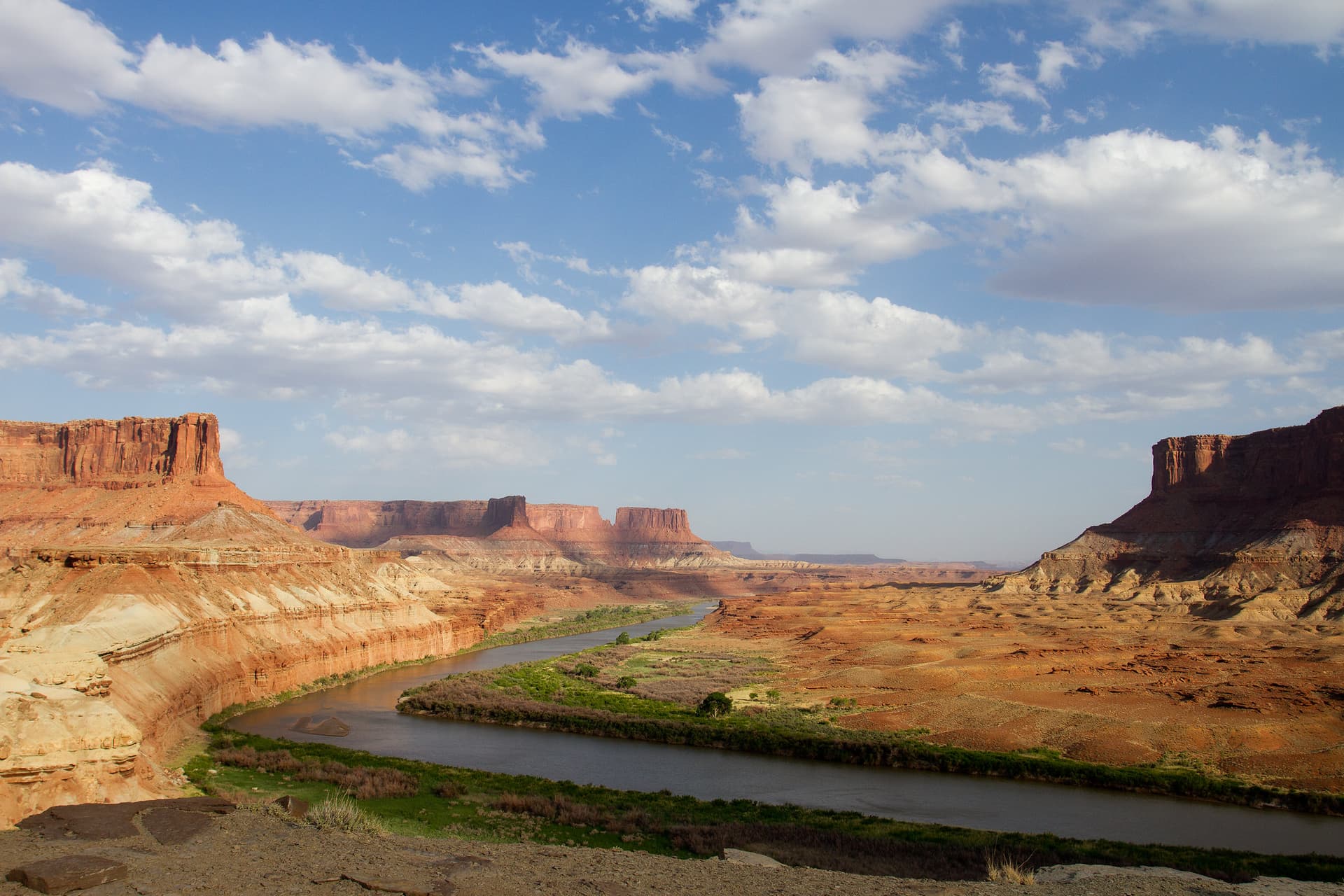
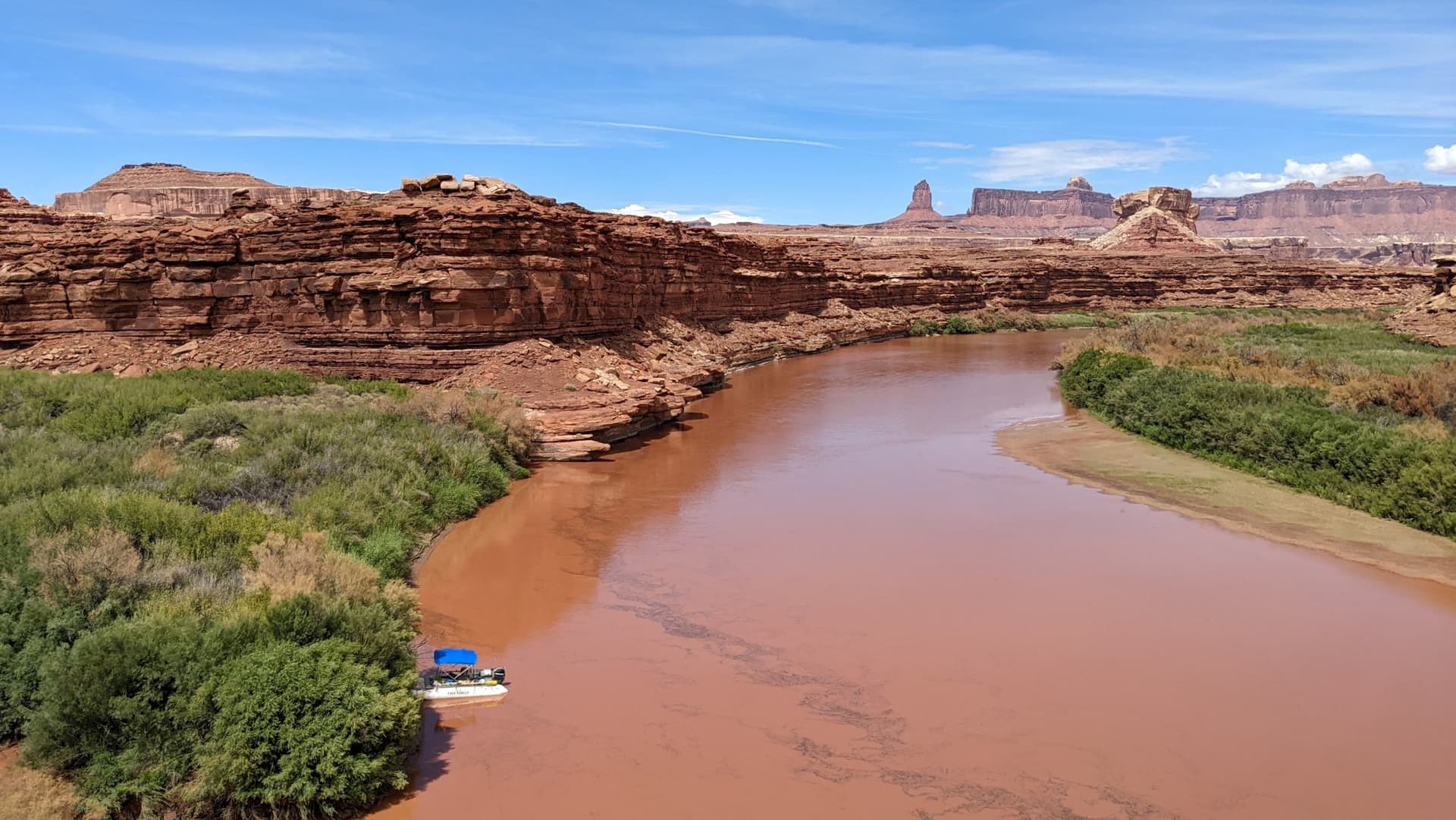
The Colorado and Green Rivers cut through a wilderness setting near Moab, Utah. A Canyonlands river trip starts long before you reach the put-in. The park’s boating information guide lays out the legal, safety, and planning requirements. For anyone planning to paddle, row, or packraft here, the first question is whether your route, timing, and gear match what the river actually demands.
Pick the trip before you pick the launch
Canyonlands is not a single river experience, and the park’s layout makes that clear. The Colorado and Green Rivers divide the park into Island in the Sky, The Needles, The Maze, and the rivers themselves, which means the water is not a side attraction tucked under the overlooks. It is one of the park’s defining districts.
That planning starts with the kind of trip you are willing to support. A day float, an overnight run, and a multi-day expedition all carry different requirements for craft, food, storage, navigation, and self-rescue. The park’s river corridors are remote, and even a short outing can become demanding once currents, rapids, exposure, and limited rescue access enter the picture.
Permits come first, not last
Canyonlands river travel runs through a permit system, and the park separates day-use boating from overnight river trips. Those permits are managed through Recreation.gov, so the paperwork is part of the launch plan, not an afterthought. The park also provides separate pages for river regulations, flatwater trip guidance, packrafting information, Cataract Canyon details, and river-specific information.
Access and timing shape the whole day. You need to think about launch and takeout windows, campsite or permit considerations, weather, and the possibility that travel will take longer than expected. River trips in Canyonlands do not reward a loose schedule, especially when your route depends on water level, road access, and the margin you leave for delays.
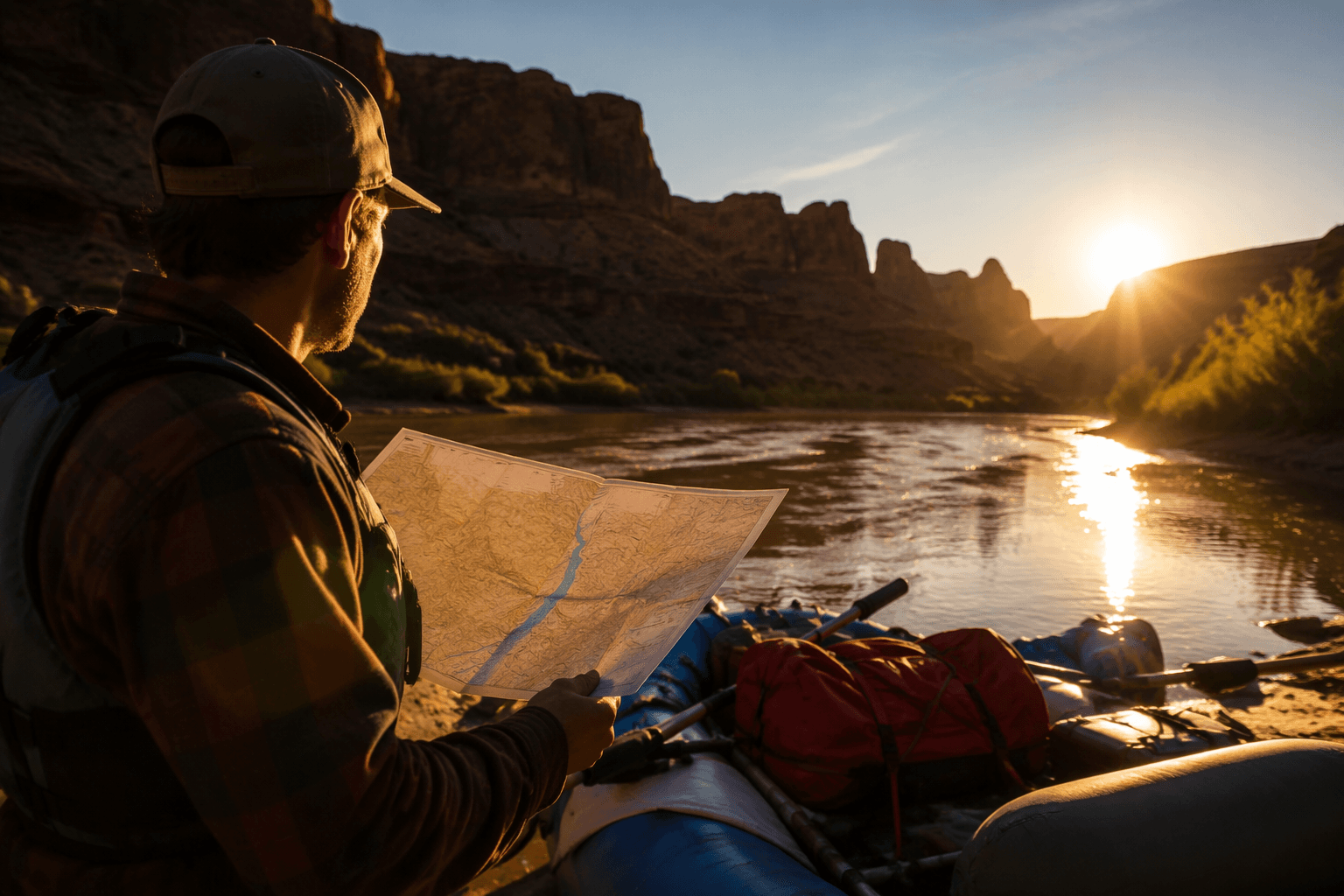
Choose the right river for your skill level
The Colorado and Green Rivers anchor the park’s recreation, but not every stretch plays the same. The wider river network around the park includes runs that can turn technical quickly. Westwater Canyon is a 17-mile section of the Colorado River with 11 named rapids ranging from Class I to Class IV.
Westwater can be run as a long day trip or a one-night, two-day float, and it is only recommended for experienced boaters. A route that looks straightforward on a map can still demand strong boat handling, a realistic reading of flows, and enough experience to deal with changing conditions.
Packrafting, flatwater, and Cataract Canyon all ask different things
The park’s river pages do not treat boating as one single activity. Flatwater trips have their own guidance, packrafting has its own page, and Cataract Canyon stands as its own destination within the broader river system.
For a small craft, that means knowing exactly what the route asks of you before you put in. For a raft or expedition boat, it means thinking through storage, rescue potential, and how much water and weather you can absorb before the trip stops being comfortable.
Hazards are part of the plan, not a surprise
The practical questions come early: Where is access possible? What hazards are common? How much independence does the trip require? In a wilderness river setting, those are not abstract concerns. They determine whether you need a day-trip setup, a fully self-supported overnight kit, or a commercial outfitter instead of a private launch.
Route selection, weather, and changing water levels all matter here. For boaters coming from Moab, Monticello, Grand Junction, or farther away, the drive in can create a false sense that the river will be casual once you arrive.
A park shaped by river management
Canyonlands has been managed around this balance for a long time. The park was established in 1964, but the idea of protecting the confluence country goes back to 1936, when a proposed Escalante National Park would have covered much of the land around the Green and Colorado Rivers.
In February 2024, Canyonlands announced that it was seeking public input on a river management plan for the Green and Colorado rivers.
This article was produced by Prism’s automated news system from verified source data, official records, and press releases, then run through automated quality and moderation checks before publishing. The system is built and supervised by the people who set the standards it runs under. Read our full AI policy.
Did this article answer your question?