Navajo Nation park rules guide Monument Valley visitors and drivers
Monument Valley is not an open free-for-all, and the Navajo Nation rules page is the first stop before you drive in. It helps you avoid off-road mistakes, closed areas, and disrespectful behavior.
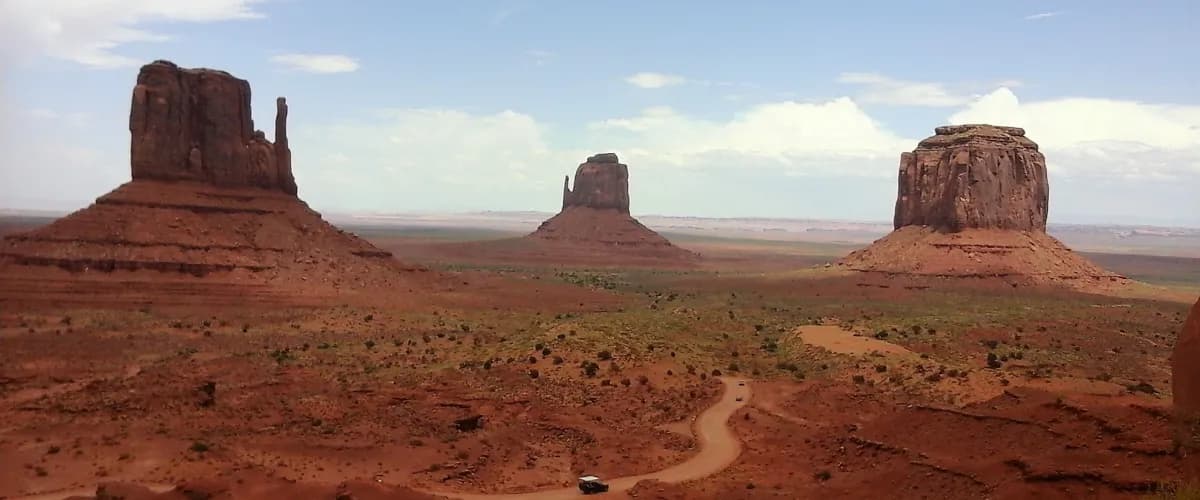
Monument Valley can look wide open from the highway, but the Navajo Nation decides how that landscape is used. The official Navajo Nation Parks & Recreation page titled “Parks Rules & Ordinances” is the place to check before you arrive, because it spells out how access, conduct, and site use are meant to work inside Monument Valley Navajo Tribal Park and other Navajo tribal park sites.
Start with the official park source
This page is not a throwaway formality tucked away at the bottom of a website. It sits alongside admission information and guided tour listings, which tells you something important right away: rules are part of the trip-planning toolkit, not an afterthought. If you are building a Monument Valley stop into a Four Corners run, this is the page that tells you whether your plan fits the park’s expectations before you are standing at the gate.
Just as important, the page comes from Navajo Nation Parks & Recreation itself. That matters because Monument Valley is a tribal-managed cultural landscape, not just a scenic overlook with a few posted signs. The rules are part of how the Navajo Nation manages tourism while keeping control over the land, the experience, and the places that still carry meaning for the people who live there.
What the rules are meant to protect
At the practical level, the guidance points visitors toward a few basics that matter in a place like this: stay on designated roads, respect private property and cultural sites, follow posted closures, and obey directions from park staff or authorized guides. Those are the habits that keep a visit smooth and keep casual tourists from drifting into areas that are not meant for casual wandering.
That distinction is especially important if you are used to public lands elsewhere in the West, where the default assumption can be “pull over, hike out, and explore.” In Monument Valley, that instinct can create the exact kind of preventable misstep that ruins a day or shows disrespect. The park rules frame the valley as a place with boundaries, not a playground for improvisation.
Self-drive and guided access are not the same thing
One of the most useful things the rules page does is clarify the difference between self-driving through Monument Valley and going farther into the backcountry with a guide. That matters because the route you choose changes what you are allowed to do, where you can go, and how much freedom you actually have once you are inside the park.
If you are planning a self-drive visit, the safest assumption is that your access is limited to the roads and areas open to that kind of travel. If you want to reach more remote parts of the landscape, a guided option is the route to verify first. That is the key decision point the rules page helps you make before you commit to a plan.
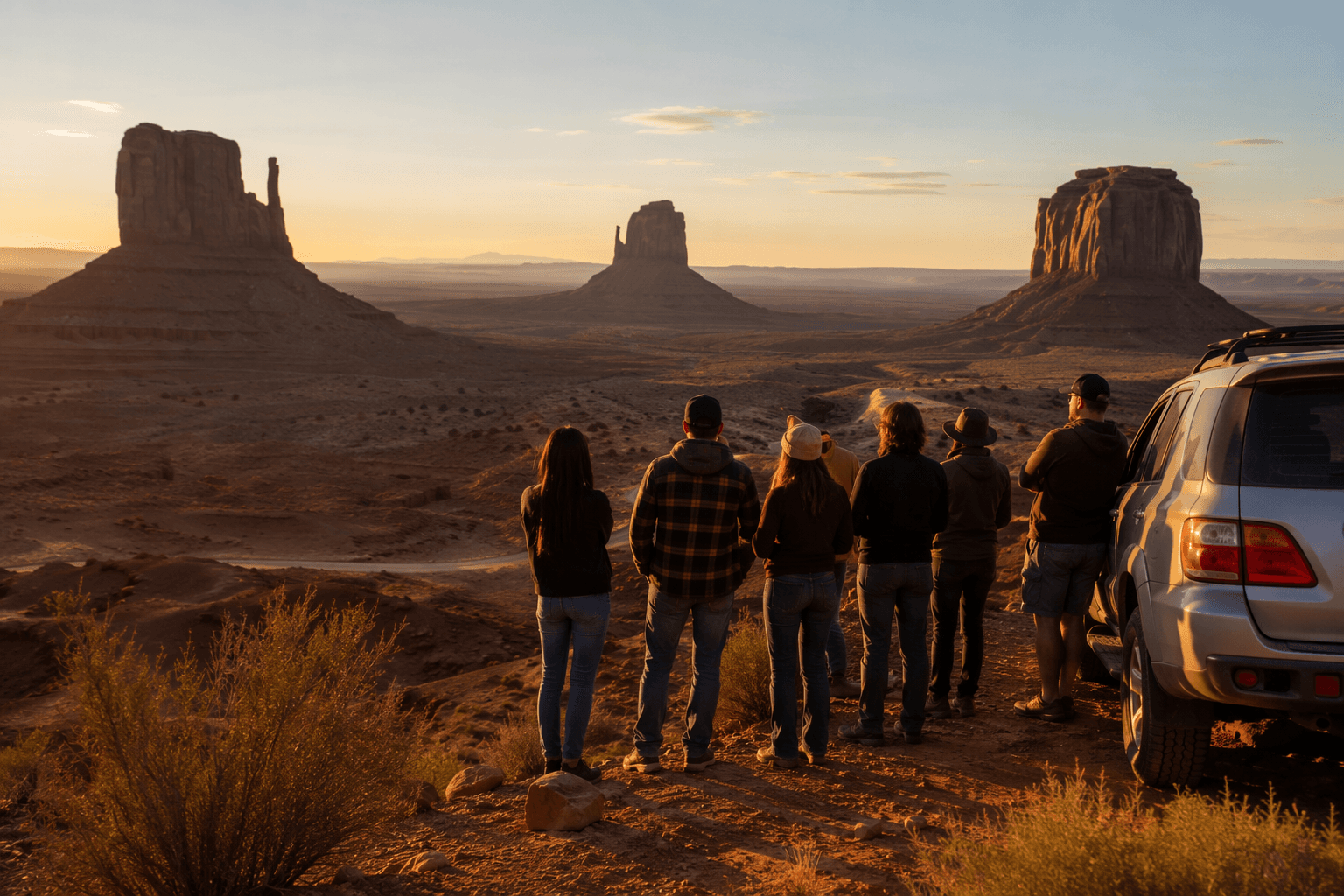
Why it matters for drivers, families, and photographers
Monument Valley is remote, cell coverage can be unreliable, and weather can change quickly. Rain or snow can turn road conditions difficult in a hurry, which means the rules are doing more than policing behavior. They are also helping visitors avoid risky choices that can leave a vehicle stuck, a family stranded, or a photo stop cut short.
Off-road driving is another problem the guidance is designed to prevent, because it can damage the land and put visitors in places that are not meant for free roaming. For RV travelers, that can turn into a long and frustrating day. For photographers, it can mean discovering too late that a tempting angle or pull-off is not meant for casual access.
A smart Monument Valley checklist looks like this:
- Confirm whether your plan fits self-drive access or needs a guided visit
- Stay on designated roads and do not assume a visible track is open
- Respect posted closures, even if the view looks tempting from a distance
- Treat private property and cultural sites as off-limits unless you have clear permission
- Build in extra time for weather, road conditions, and the remote setting
The bigger point for Four Corners travelers
The reason this page matters goes beyond enforcement. It is a reminder that a stop in Monument Valley is a visit to Navajo Nation land, where stewardship and sovereignty shape how tourism works. Reading the rules ahead of time helps you plan a respectful visit, avoid accidental violations, and understand why some places stay closed even when they appear open.
That is the real Monument Valley lesson: the best trip is not the one that pushes the boundary line, but the one that respects it.
This article was produced by Prism’s automated news system from verified source data, official records, and press releases, then run through automated quality and moderation checks before publishing. The system is built and supervised by the people who set the standards it runs under. Read our full AI policy.
Did this article answer your question?