Canyon de Chelly fees guide helps visitors plan Navajo access
Canyon de Chelly’s fees page is the first checkpoint before you drive to Chinle. Rim access, canyon-floor tours, and Navajo Nation rules can change the real cost fast.
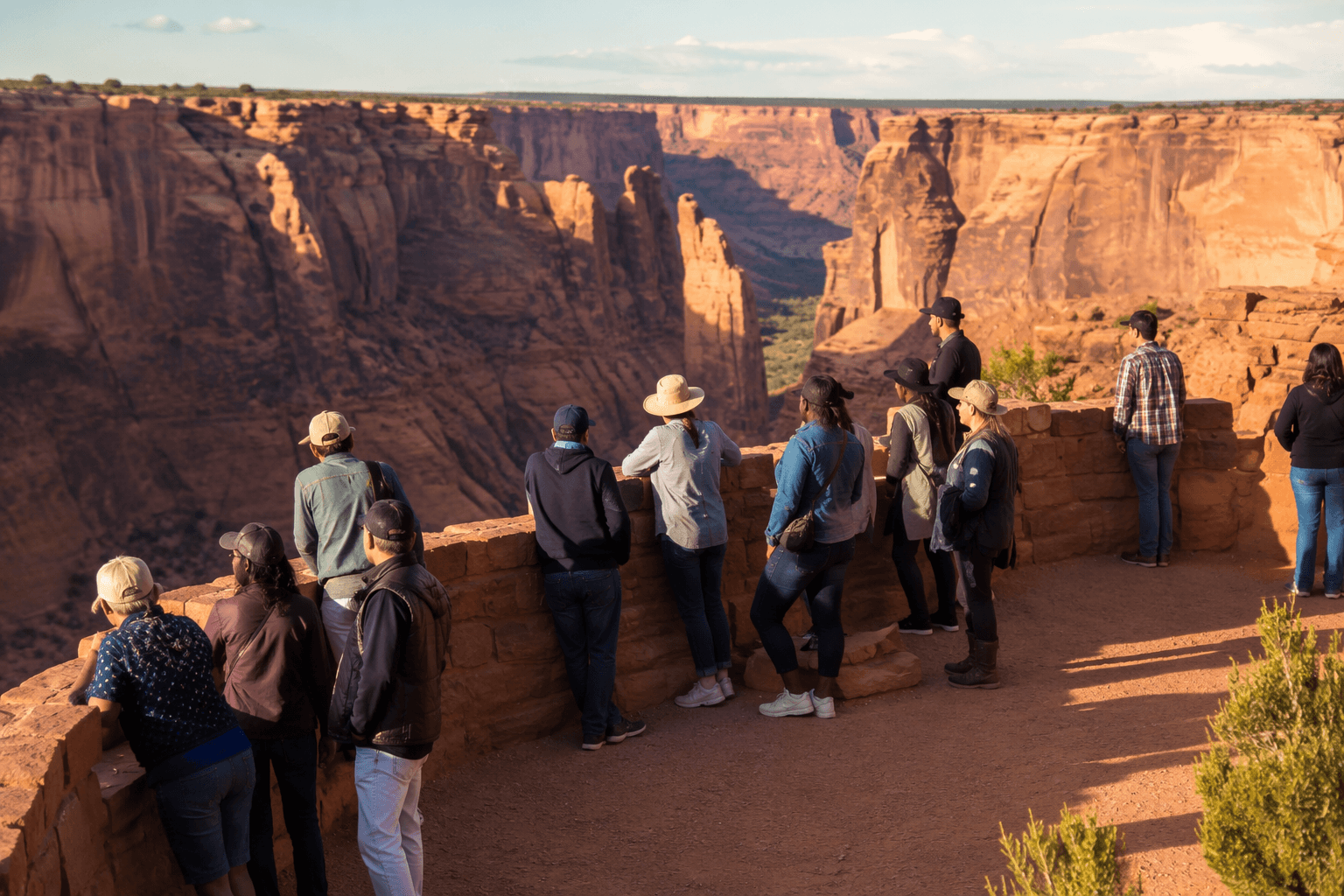
Before you drive to Chinle, the key Canyon de Chelly question is not just what you pay at the gate. It is whether you are planning a rim visit, a canyon-floor tour, or both, because the fees-and-passes page only covers part of the access picture. In this Navajo Nation landscape, admission planning sits alongside guided-tour rules, weather, and a living community where Diné families still farm and make homes.
What the fees page is really for
The official fees-and-passes page for Canyon de Chelly National Monument is the starting point for figuring out what is required to enter and what kind of pass or payment may apply. That matters because this is not a simple roadside stop where one ticket covers every part of the experience. The page helps you budget before you arrive in Chinle, Arizona, and before you build the monument into a longer Four Corners drive.
That baseline is especially useful for families, photographers, and road-trippers deciding whether Canyon de Chelly is a quick pull-off or a destination worth more time. The monument’s planning pages also point visitors to basic information, operating hours and seasons, directions, permits and reservations, frequently asked questions, and tours of the canyon. Taken together, those pages show that the visit requires more advance thinking than many other park stops in the region.
Rim access and canyon-floor access are not the same trip
One of the biggest visitor mistakes at Canyon de Chelly is assuming the whole monument works like one unified self-drive experience. The canyon rim can be visited independently, but the canyon floor is different and is commonly tied to Navajo-guided tours. That difference changes both the structure of the visit and the real price, because the fee page at the monument gate does not replace the cost of hiring a guide.
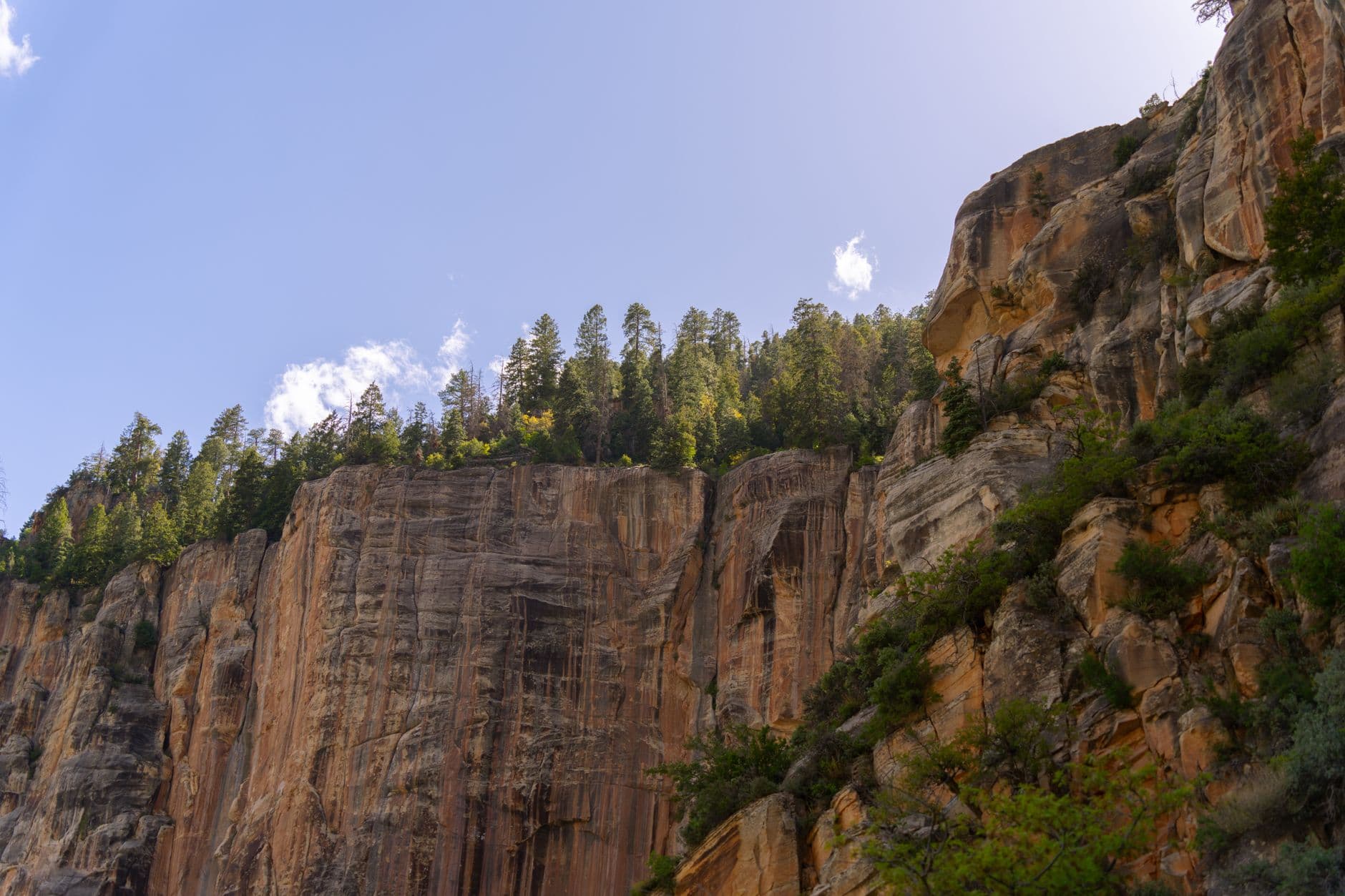
Spider Rock is one of the signature places many visitors build into their trip, which is another reason to separate rim plans from canyon-floor expectations. If you are deciding whether to keep Canyon de Chelly as a short stop or turn it into a longer day, that distinction matters immediately. The rim can fit cleanly into a larger route, while canyon-floor access usually asks for more coordination.
Why Navajo Nation rules affect the real cost
Canyon de Chelly is not just a national monument, it is part of the Navajo Nation and a living Navajo place. The National Park Service says people have lived in these canyons for nearly 5,000 years, and the monument was established in 1931 to preserve the area, including archaeological remains and images on canyon walls. The canyon is still home territory, with Diné people raising crops and farming the canyon lands.
That setting changes the way the fees-and-passes page should be read. You are not only paying for access to scenery, you are planning a visit in a place where preservation, community use, and visitor management all overlap. In practical terms, that means the fee structure is only one part of the trip cost, while guide requirements and access limits can reshape how long you stay and how much you spend.
Weather can change the plan as much as the price
Canyon de Chelly sits in country where weather can be part of the access equation. Navajo Nation Parks and Recreation notes that closures may be possible because of inclement weather for tour operators, which means the canyon-floor side of a trip can change even when your own schedule is set. Flash floods and monsoon storms are part of the broader planning reality in this landscape, so the smartest visits start with the fee page and do not end there.
That is why the monument’s planning structure matters so much. The National Park Service pages for Canyon de Chelly are built around more than payment, with separate information on directions, seasons, permits, reservations, and canyon tours. If you are heading out from elsewhere in the Four Corners, those pages help you avoid the classic mistake of arriving with the wrong expectations about access, timing, or what your payment actually covers.
A place where logistics and respect go together
Canyon de Chelly is one of the most visited landscapes in the Navajo Nation, but it does not behave like a standard national park. It is a place where a visitor can see the rim on one kind of trip, book a guided canyon-floor experience on another, and still need to account for weather, reservations, and local conditions. That is why the fees-and-passes page is so useful: it tells you whether you are prepared to enter, what payment or pass may apply, and where the rest of the planning has to happen.
If you are driving toward Spider Rock or fitting Canyon de Chelly into a wider Four Corners loop, the safest way to think about it is simple. The fee page is the first checkpoint, not the whole trip. The real visit begins when you match that entry information with the canyon’s guided access, Navajo Nation setting, and the weather-sensitive reality of a living homeland.
This article was produced by Prism’s automated news system from verified source data, official records, and press releases, then run through automated quality and moderation checks before publishing. The system is built and supervised by the people who set the standards it runs under. Read our full AI policy.
Did this article answer your question?