Hovenweep hiking page guides visitors through ancient tower country
Hovenweep rewards short walks with big ruins, but the exposed canyon-country setting punishes sloppy planning. The best trail choice is the one that keeps you on path and close to the towers.
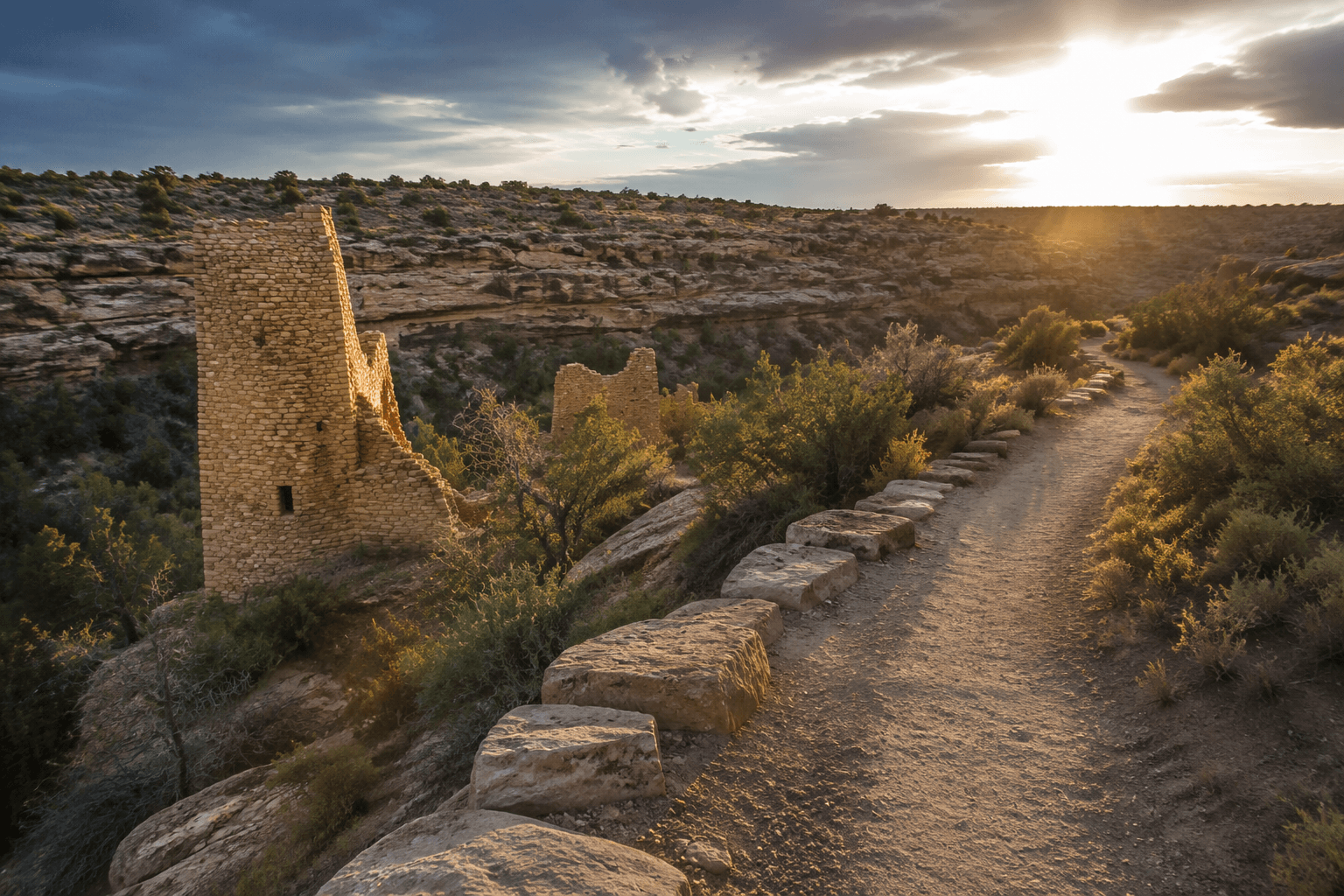
Hovenweep is the kind of place that can fool you if you treat it like a casual roadside stop. The monument’s hiking page is useful because it pushes you toward the right kind of visit: short walks, careful footing, and close-up views of stone towers in a landscape that is quiet, exposed, and far from major highways. That mix is the whole game here, and it is why trail choice matters as much as the ruins themselves.
A short walk is the point, not the compromise
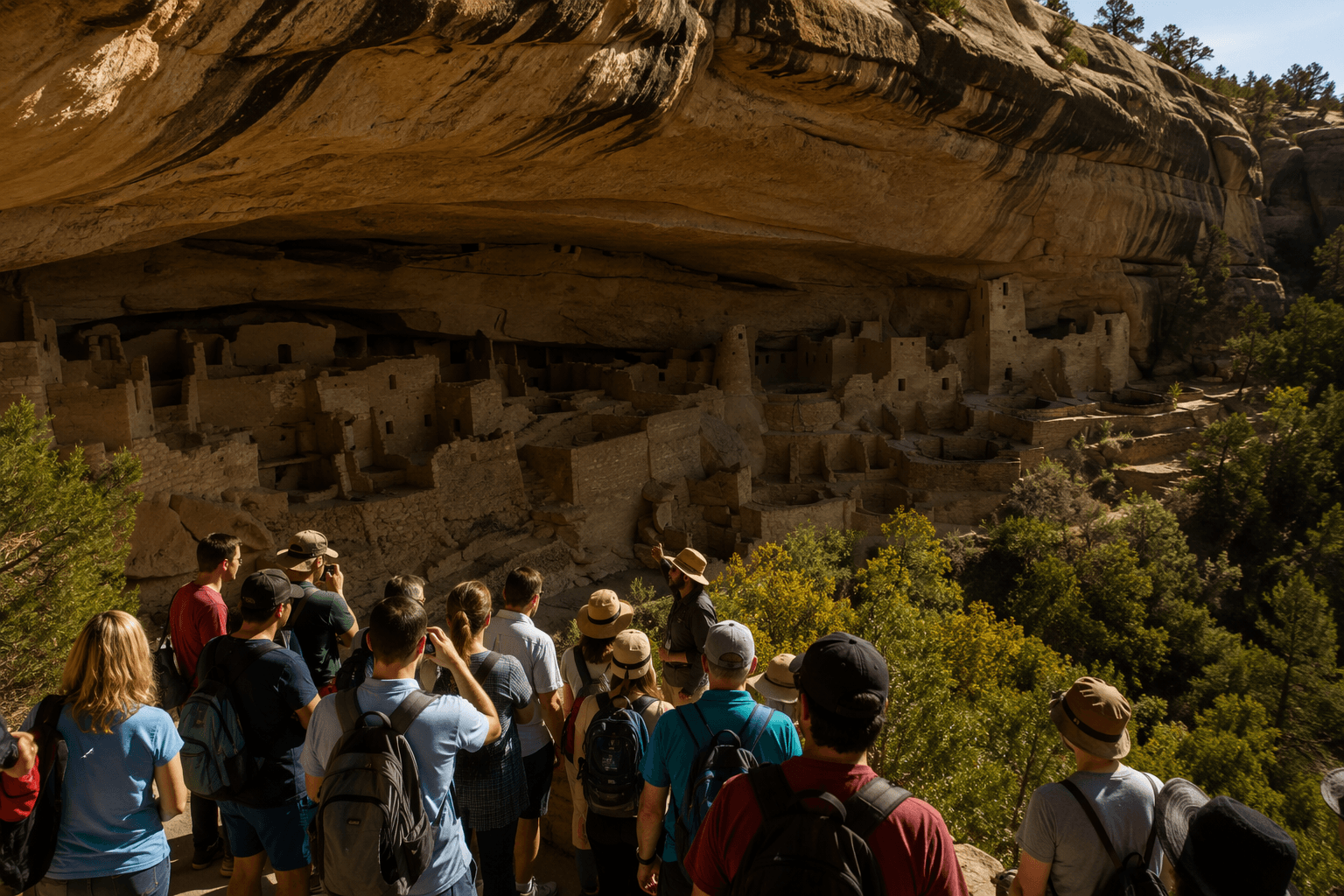
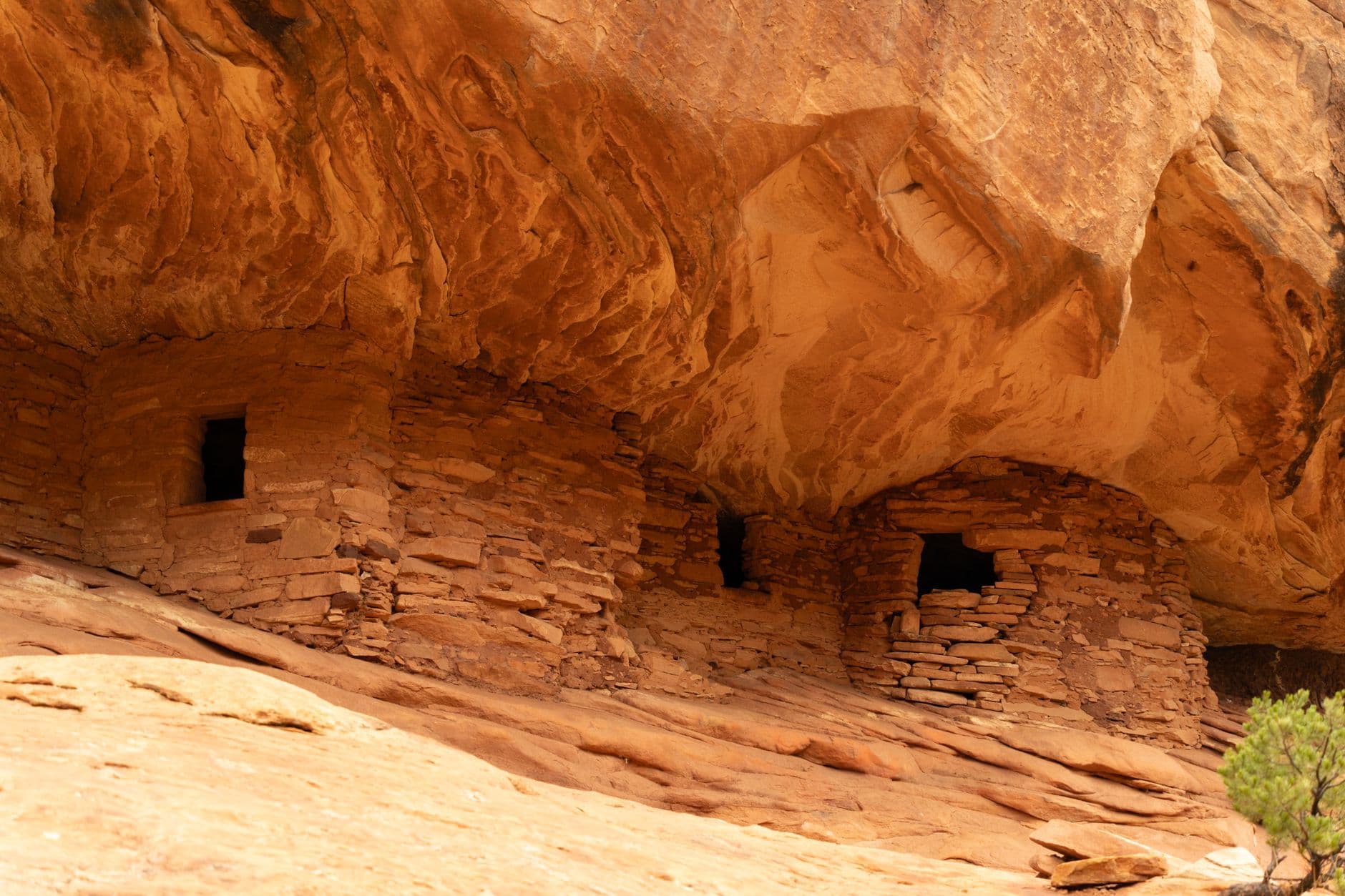
Hovenweep National Monument protects five prehistoric ancestral Puebloan canyon-head villages spread along a 16-mile stretch across the Utah-Colorado border west of Cortez, Colorado. The standing architecture was built about 800 years ago by ancestors of today’s Pueblo people, which gives even a modest walk real weight. This is not a place built around long alpine mileage or an oversized trail network; the hiking experience is designed to connect overlooks, ruins, and interpretive points without letting foot traffic chew up fragile masonry and archaeological surfaces.
That is the practical value of the hiking page. It helps you see why a short trail can be the right trail at Hovenweep, because the payoff is not measured in miles. It is measured in how cleanly the walk delivers you to tower country while keeping you inside the boundaries that protect the site.
Where the best ruins-to-effort return lives
If you only have time for one focus area, the Square Tower Unit is the obvious anchor. National Park Service materials describe it as the largest section of the monument and the part with the most extensive archaeological remains, which is exactly why so many visitors end up spending their time there. The Square Tower Group, Holly Group, and Cutthroat Castle Group are all named areas within the monument, and each one reinforces the same point: Hovenweep works as a series of compact archaeological clusters, not as one sprawling hike.
That structure helps set expectations before you arrive. You are not heading out to rack up elevation gain or disappear for half a day on a wilderness route. You are moving between clustered sites where the trail itself is part of the experience, giving you enough access to read the landscape without putting you in the middle of it. For a Four Corners itinerary built around Bluff, Cortez, or Aneth, that makes Hovenweep easy to slot in as a high-value side trip.
Why the terrain deserves respect
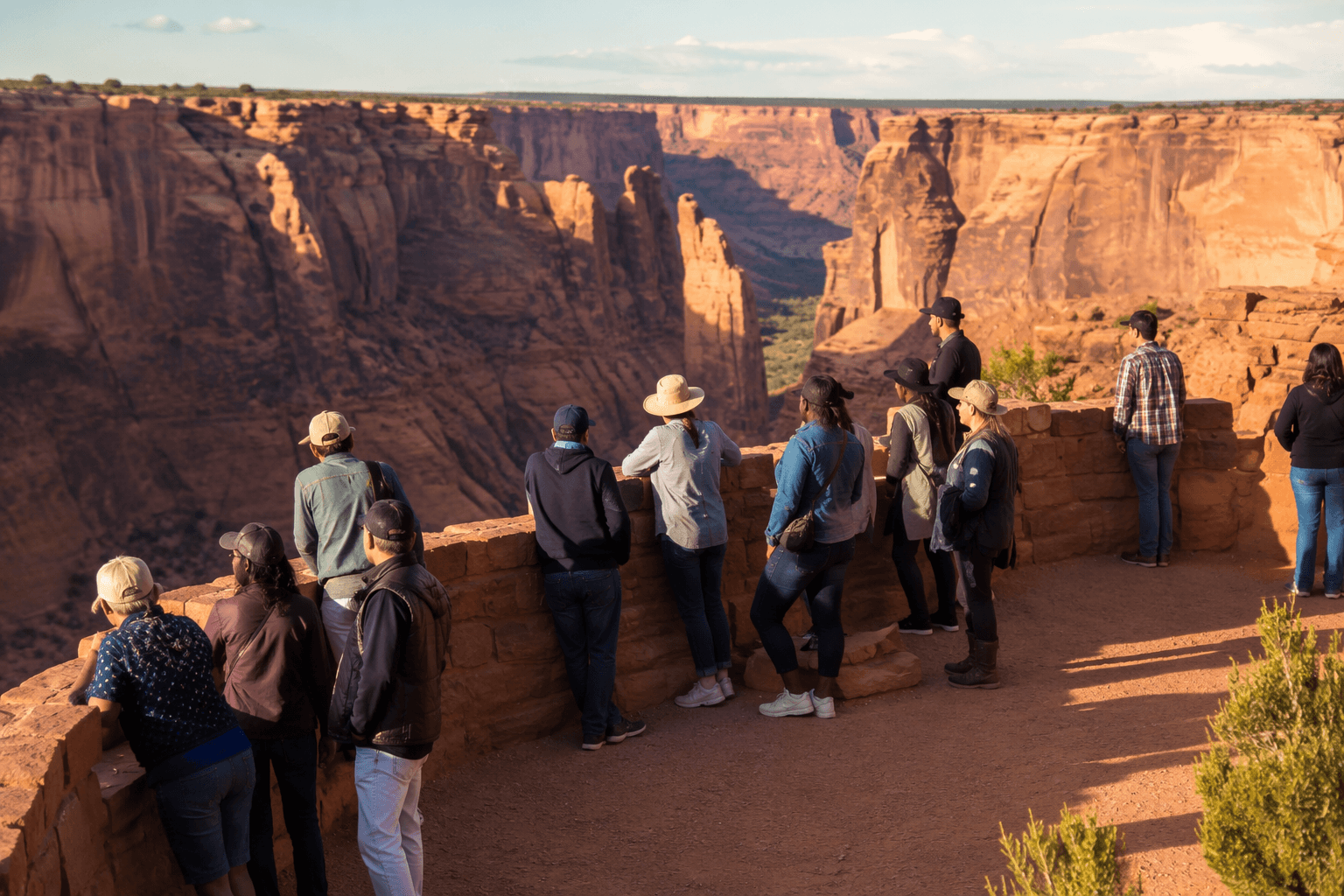
The same exposed setting that makes the towers look so dramatic also makes the visit less forgiving. Shade is limited, services are sparse, and weather can shift quickly across the open benches and trails. Summer visits call for plenty of water, sun protection, and honest expectations about heat; shoulder-season trips bring their own issues, especially wind and cold mornings. That combination is easy to underestimate when you are looking at a short trail on a map.
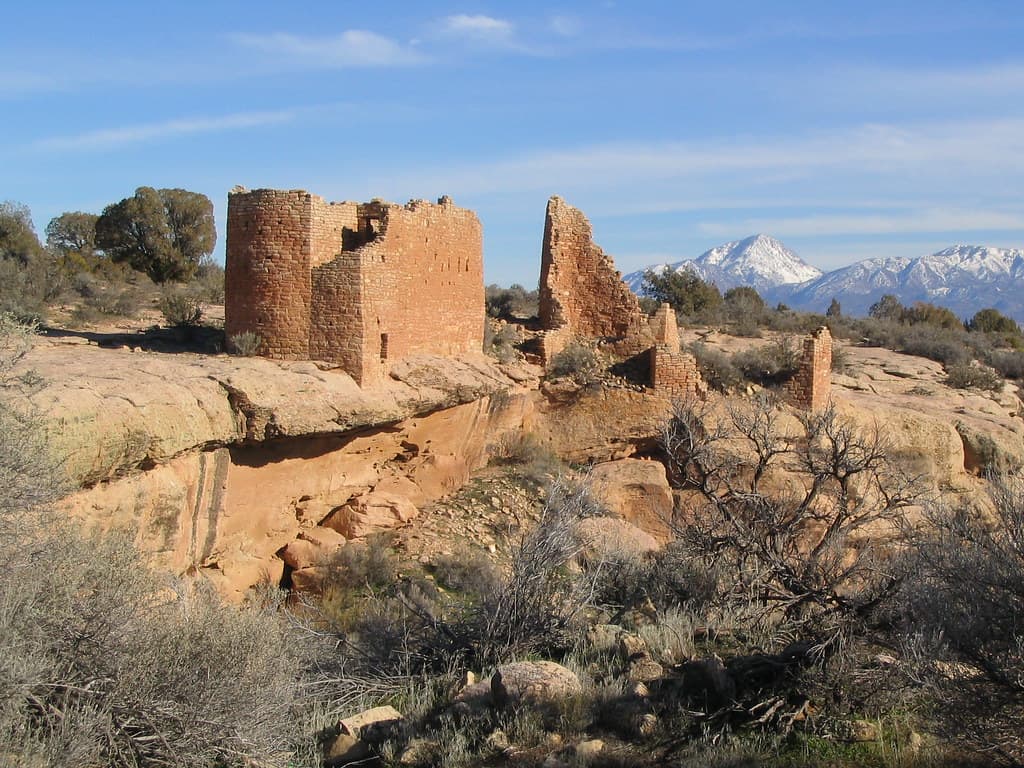
The bigger mistake is stepping off trail. At Hovenweep, masonry walls, petroglyphs, and other historic features can be damaged by careless contact or wandering. The hiking page and other visitor materials work together to steer you into a controlled path of movement for a reason. On this landscape, preserving the site and enjoying it are not separate goals. They are the same decision made well.
- Carry more water than you think you need, even for a short walk
- Bring sun protection, because shade is limited
- Expect wind and temperature swings, especially in the shoulder seasons
- Stay on the trail and off fragile ground near towers and ruins
- Build your visit around one archaeological cluster instead of trying to cover everything
A practical Hovenweep day usually means:
Access is part of the story here too
Hovenweep’s remoteness is not just a backdrop. It affects how you get in, how long you stay, and how much you can assume about conditions. A 2011 General Management Plan Environmental Assessment noted that there was no approved general management plan at that time, which is a reminder that the monument has long been managed as a delicate archaeological landscape rather than a heavily developed recreation zone. The superintendent’s compendium and other park regulations reinforce that approach by keeping impacts low.
Operational conditions can also change. Older National Park Service notices show that road work and fire restrictions have affected access at times, which is exactly the kind of thing that matters when you are driving out to a remote monument. If you are stitching Hovenweep into a larger Four Corners road trip, you want to think like someone heading into a place where access depends on weather, maintenance, and fire conditions, not just your own timetable.
What the hiking page is really telling you
The best thing about Hovenweep’s hiking guidance is that it does not pretend the monument is something it is not. It does not dress up short walks as a big backcountry adventure, and it does not hide the fact that this is fragile ground with limited services and real exposure. Instead, it gives you the shape of the place: a set of archaeological areas, led by the Square Tower Unit, where the trail is the safest and most respectful way to get close.
That is why Hovenweep pays off so well for travelers who choose the right walk before they arrive. Go in expecting a compact, exposed, highly sensitive site, and the experience makes sense immediately. Try to treat it like a casual stop, and the terrain, the distance from services, and the need to protect what is under your feet will correct you fast.
This article was produced by Prism’s automated news system from verified source data, official records, and press releases, then run through automated quality and moderation checks before publishing. The system is built and supervised by the people who set the standards it runs under. Read our full AI policy.
Did this article answer your question?