Canyonlands fees and permits page helps plan legal, affordable visits
Canyonlands rewards the planner who checks fees and permits before leaving home. The right pass or permit can be the difference between a legal trip and a long drive back.
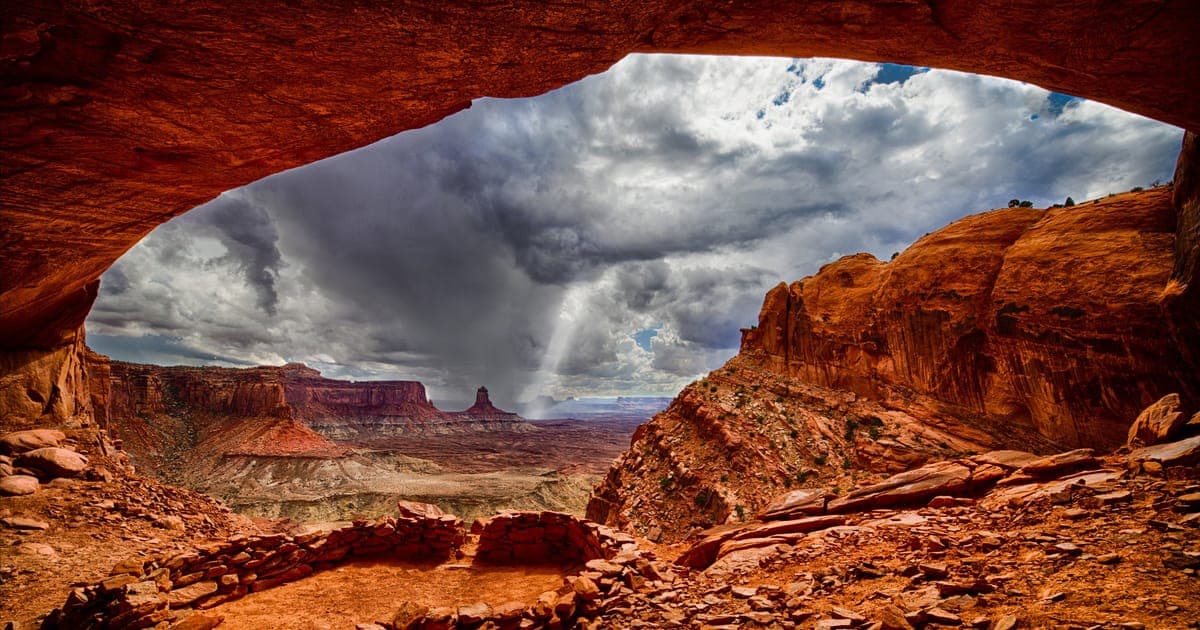
At Canyonlands, the difference between an entrance fee, a federal pass, a backcountry permit, and a river reservation decides whether your route is legal before you ever roll toward Island in the Sky or The Needles. The official fees and permits pages are built to catch that mistake early.
Fees first: what the front door actually costs
Canyonlands uses the standard national park mix of entrance fees and federal passes, and that matters whether you are arriving in a private vehicle, on a motorcycle, or on foot. The fees page shows whether your America the Beautiful pass or another eligible federal lands pass covers entry, and whether any additional fees still apply for the way you are traveling.
The fee structure has also been a moving target in the past. In 2017, the National Park Service sought public comment on a proposal to raise individual and motorcycle entrance fees in 2018, and a separate ParkPlanning notice proposed raising entrance and campground fees. The proposal was tied to a broader effort to standardize fees at parks offering similar visitor services and experiences.
Permits are not a side note here
Canyonlands is not just a scenic drive with a few pullouts. It is a regulated backcountry destination where the right permit can be as important as the right tank of gas. The park separates overnight backcountry permits, permits and reservations, river permits, and White Rim Road travel, which shows how many different trip types need attention before you leave home.
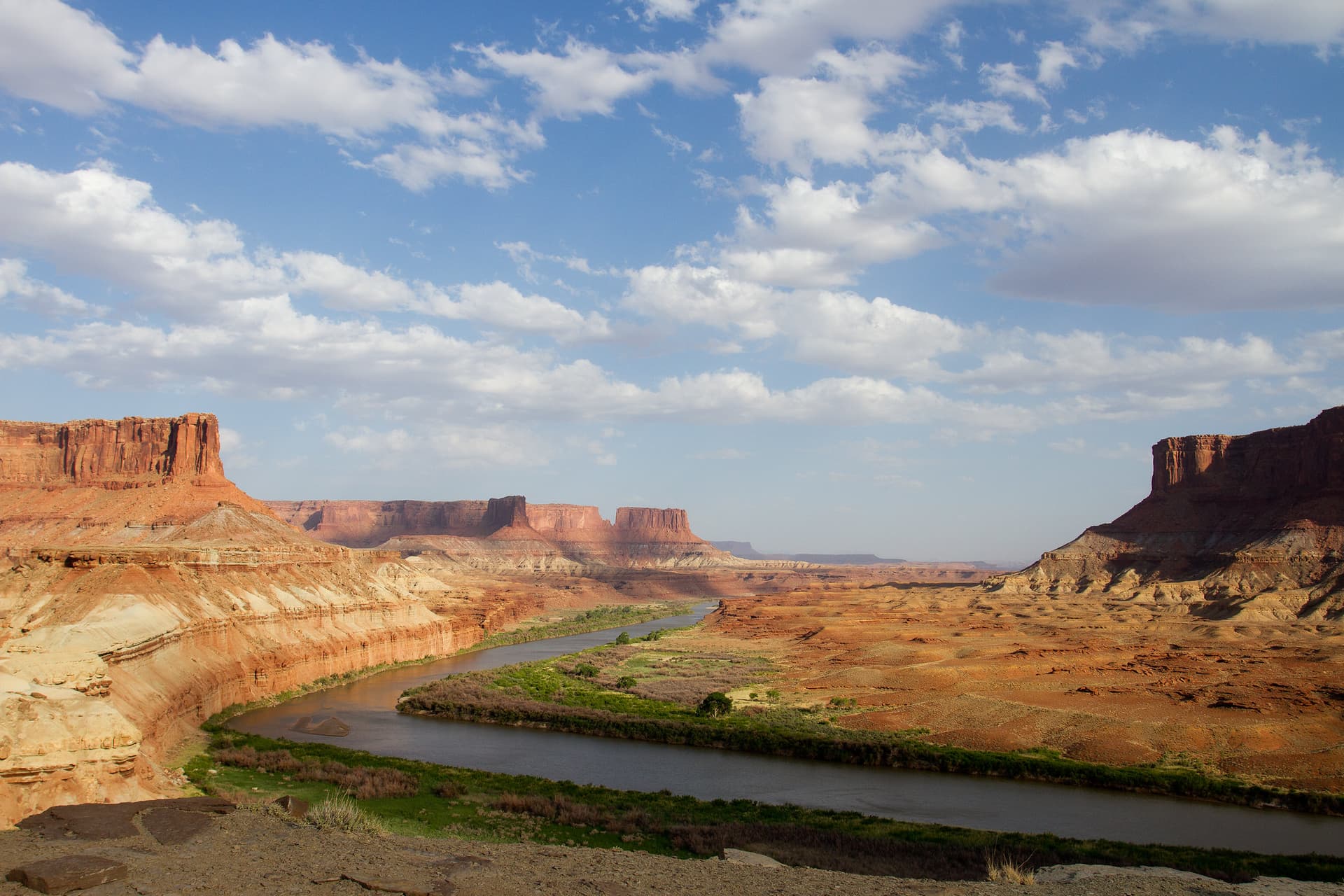
That split matters because Canyonlands spans 337,598 acres across San Juan, Wayne, Garfield, and Grand counties in Utah, and its four districts, Island in the Sky, The Needles, The Maze, and the rivers themselves, do not connect by road. A plan that works for a day in Island in the Sky will not automatically work for a remote backcountry route or a river run on the Colorado River or Green River. In a park with sparse services and long distances between trailheads, a permit often functions as both access authorization and a safety checkpoint.
Which traveler plans need advance action
The cleanest way to think about Canyonlands is to match the page to the trip.
- If you are making a day stop, the fees page answers the first question: how you pay to enter, and whether your pass covers it.
- If you are hiking beyond the front-country road system, the permits and reservations pages can move you into day-use backcountry permit territory.
- If you are sleeping out in the backcountry, you need to be looking at overnight backcountry permits, not just the entrance fee.
- If your plan involves the river, Recreation.gov lists separate permit products for Canyonlands overnight backcountry trips and overnight river trips, so river access is not something to assume will be available on arrival.
- If White Rim Road is the point of the trip, treat it like a route that needs its own planning lane, not a spur-of-the-moment detour.
Why Canyonlands makes this extra important
Canyonlands was established on September 12, 1964, and expanded in 1971 when the Maze, Davis Canyon, and Lavender Canyon were added. It is one of Utah’s largest national parks, and its 2024 infrastructure fact sheet lists 186 miles of trails, 164 miles of unpaved roads, 53 miles of paved roads, 29 campgrounds, and 40 housing units.
Canyonlands logged 818,492 recreation visits in 2024, and the 2024 infrastructure fact sheet puts annual visitation at about 796,000.
How to use the official pages without losing a day
Open the fees page first if you are comparing a vehicle fee, motorcycle fee, or per-person arrangement, then move to permits and reservations if your plans leave pavement, include camping, or put you on the river. If White Rim Road is part of the itinerary, check that page before you commit to fuel, tires, or timing.
This article was produced by Prism’s automated news system from verified source data, official records, and press releases, then run through automated quality and moderation checks before publishing. The system is built and supervised by the people who set the standards it runs under. Read our full AI policy.
Did this article answer your question?