Grand County declares drought emergency as fire risk rises
Grand County’s drought declaration came as snowpack, runoff and river inflows all plunged, pointing to tighter fire rules and leaner water for Moab-area trips.
Campfire plans around Moab just got shakier after Grand County commissioners unanimously declared a drought emergency, a move that pointed straight at higher fire danger, tighter water use and tougher decisions about the next few weekends in canyon country.
The county action came Tuesday, May 19, as southeastern Utah’s dry season deepened and water forecasts worsened. Two days later, Gov. Spencer Cox issued a statewide drought emergency, activating the Utah state Emergency Operations Plan and telling the state Drought Response Committee to review hardships and recommend actions. For visitors, that combination matters fast: drought here is not just an agriculture headline, it is the setup for fire restrictions, hotter and drier backcountry travel, and less margin for error on water-heavy trips.
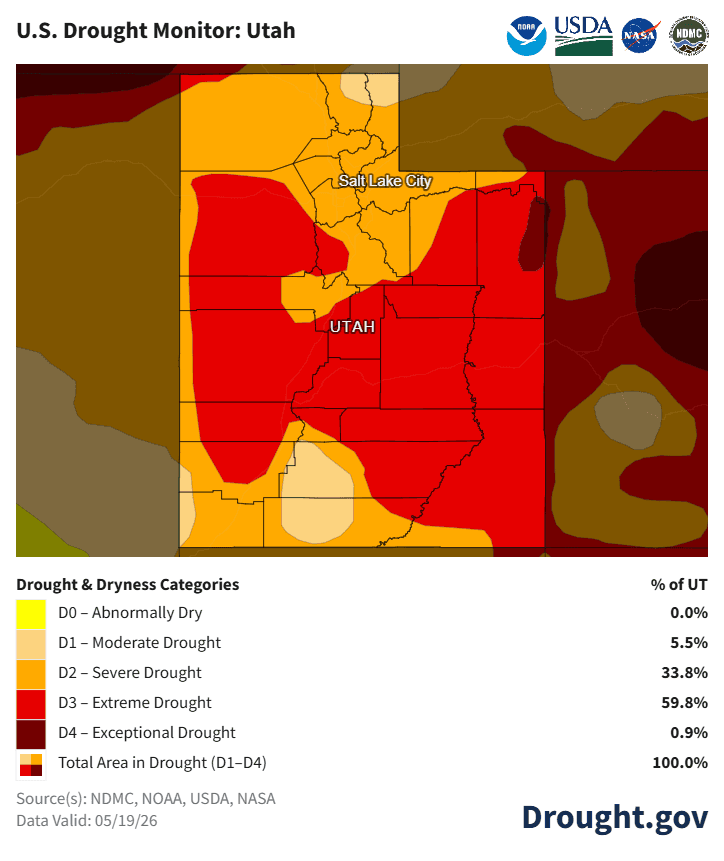
The numbers explain why officials moved. Utah gets about 95% of its water from snowpack, and the Utah Division of Water Resources said the 2026 snowpack peaked on March 9 at 8.4 inches, roughly half of what the state usually has by the beginning of April. Statewide streamflow runoff is expected to hit only about 50% of normal, while natural inflows from the Colorado River into Lake Powell are projected at 40% of normal. The state said all 29 counties were in drought, with 59% of Utah in extreme drought, and the governor’s office said this was the lowest recorded snowpack since 1930.
Grand County was already feeling the squeeze before the declaration. On April 17, county and city officials urged residents to delay lawn watering until Mother’s Day, and Moab conservation messaging noted that about 60% of residential culinary water goes outdoors. That is the kind of pressure that usually shows up in campground spigots, green-stripped landscaping and more aggressive conservation asks just as visitation climbs.
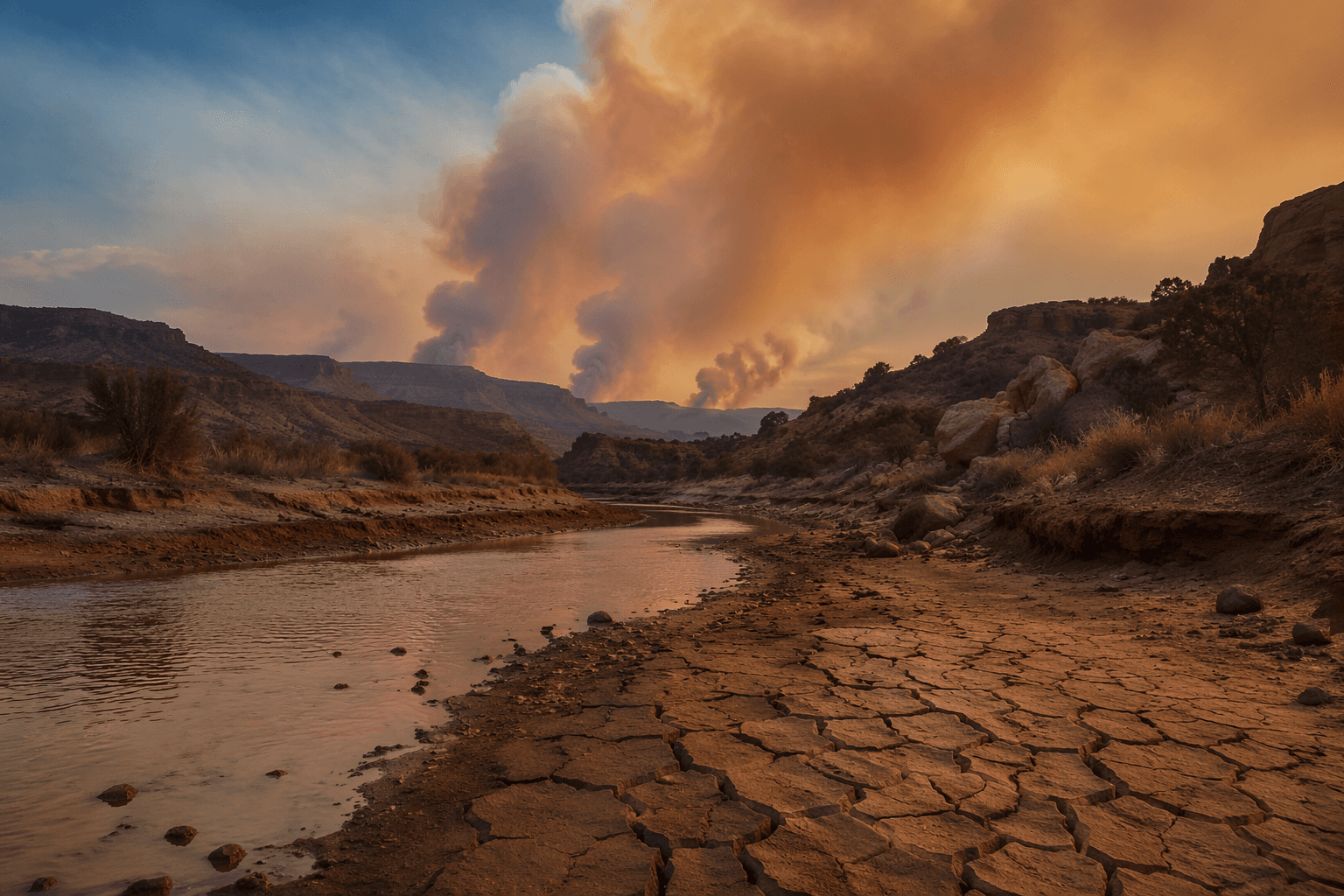
The fire side is even more direct. In southeastern Utah, earlier BLM Stage 2 restrictions in the Canyon Country District across Grand and San Juan counties banned campfires, smoking outside enclosed vehicles or buildings, welding in vegetation and engines without spark arresters. The National Park Service also said prolonged drought and very dry vegetation had already forced tighter restrictions in Arches, Canyonlands, Hovenweep and Natural Bridges. That is the real weekend change for hikers, cyclists, photographers and river runners: fewer assumptions, more checking, and a much lower tolerance for sparks.

The state emergency also opened the Utah Department of Agriculture and Food’s disaster-relief loan program to drought-hit producers in all 29 counties for six months beginning May 21, with 7-year loans, 0% interest for the first two years and a maximum of $100,000. Around Grand County, the message was clear: the dry country that draws people here is now the same country forcing harder choices about fire, water and when to go.
This article was produced by Prism’s automated news system from verified source data, official records, and press releases, then run through automated quality and moderation checks before publishing. The system is built and supervised by the people who set the standards it runs under. Read our full AI policy.
Did this article answer your question?