How to avoid altitude illness on Four Corners adventure trips
A rushed first night above 8,000 feet can wreck a Four Corners trip. Slow the ascent, sleep lower, and know the signs that mean you must turn back.
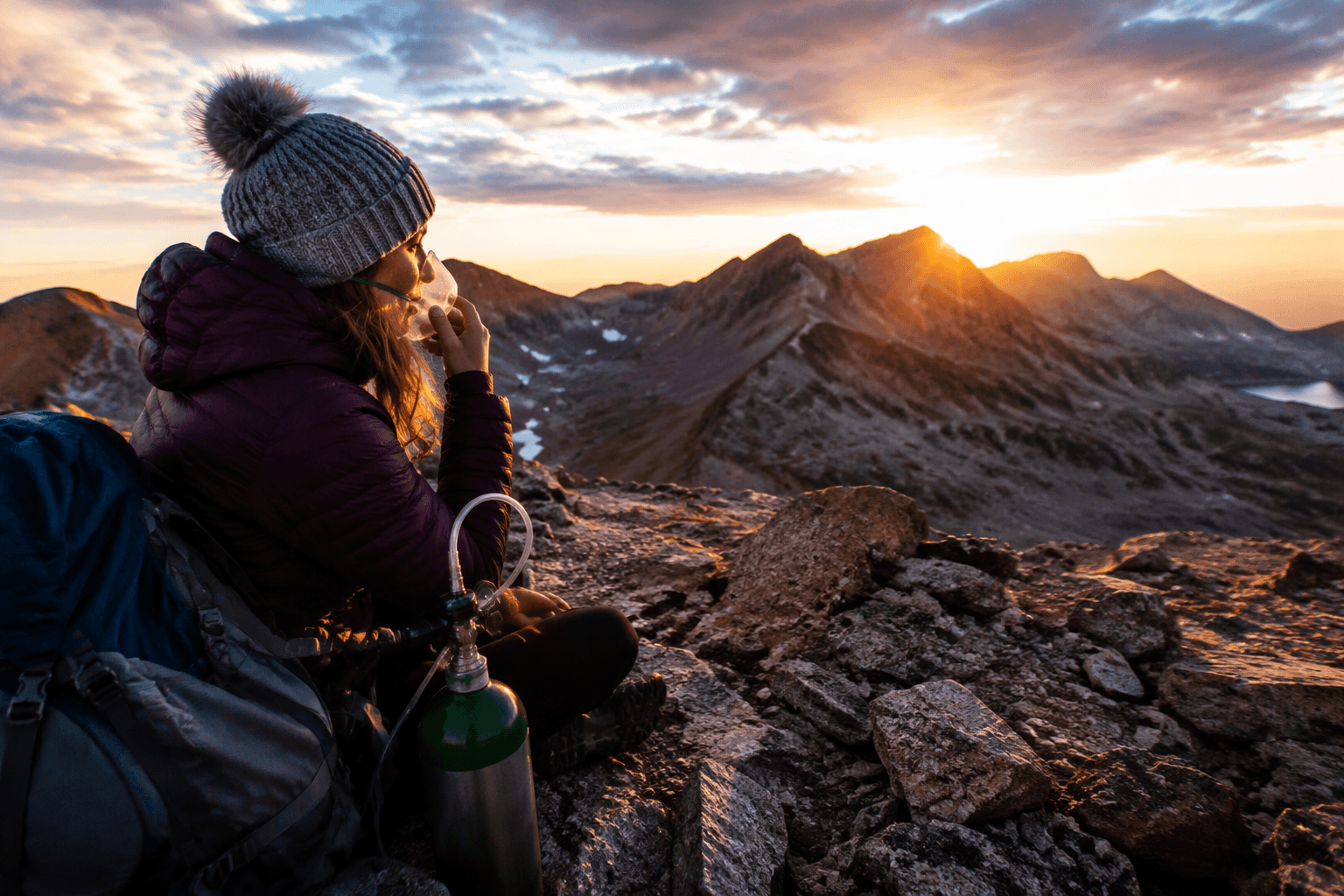
Mesa Verde National Park’s highest point is about 8,572 feet, high enough that altitude illness can sink a perfectly planned Four Corners trip before you get to the fun part. Travelers heading above 8,000 feet may be at risk, the CDC warns, and the region runs roughly 6,000 to 8,500-plus feet. If you drive up from lower country and go straight into a rim walk, a long ride, or your first night under canvas, the issue is no longer just scenery. It is oxygen.
Why the first 24 to 48 hours matter most
Your body needs time to adjust to thinner air, so gradual travel to higher elevations is best when possible. Symptoms can start within hours to a day after arrival, which is why a same-day jump from desert lowlands into high country can surprise even strong, fit travelers.
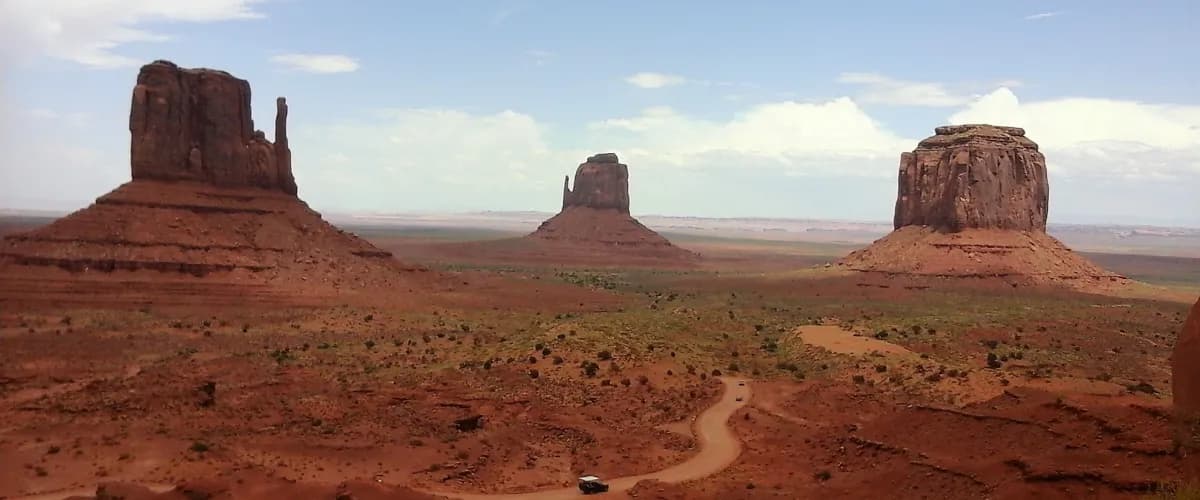
Monument Valley, Mesa Verde, the Four Corners Monument, and the roads and trailheads that connect them can all sit you at altitude long before you think of the trip as a “high-country” one.
How to handle your first night and first day
The simplest rule is to make your first night as low and as easy as you can. “Sleeping high” is often the hardest part of a trip because many people can function during a day at elevation and still feel the first night hit them hard. If your route allows it, keep your first bed at the lowest practical elevation on your loop, then move higher after you have settled in.
For the first 24 to 48 hours, build the itinerary around recovery, not conquest:
1. Keep exertion light. Save hard hikes, fast bike climbs, and pushy summit days until you are eating normally, sleeping decently, and waking without symptoms.
2. Drink normally, not obsessively. Hydration helps, but flooding yourself with water is not a cure-all for low oxygen.
3. Go easy on alcohol. The first night at altitude is already a sleep test, and alcohol can make sleep worse right when your body needs it most.
4. Watch the clock. If you arrived late in the day, your symptoms may not show up until bedtime or the next morning, which is exactly when people tend to mistake altitude illness for simple travel fatigue.
5. If your itinerary does not allow gradual ascent, ask a doctor about medicine before you go. The CDC recommends talking about medicine for prevention or treatment when you cannot ease up on the climb.
Many high-elevation destinations are remote, and access to medical care may be limited. In the Four Corners, a long drive to care can turn a manageable problem into a serious one.
What altitude illness actually feels like
Headache is the big one, usually joined by nausea, dizziness, fatigue, and reduced appetite. Other common signs include malaise, sleep disturbance, and trouble breathing. If you are blaming a bad burrito or a short night in the truck and the symptoms keep stacking up after you reach elevation, pay attention.
Medical references separate the main altitude illnesses into three categories: acute mountain sickness, high-altitude pulmonary edema, and high-altitude cerebral edema. Acute mountain sickness can often be managed with rest and a slower pace, while the latter two can become emergencies.
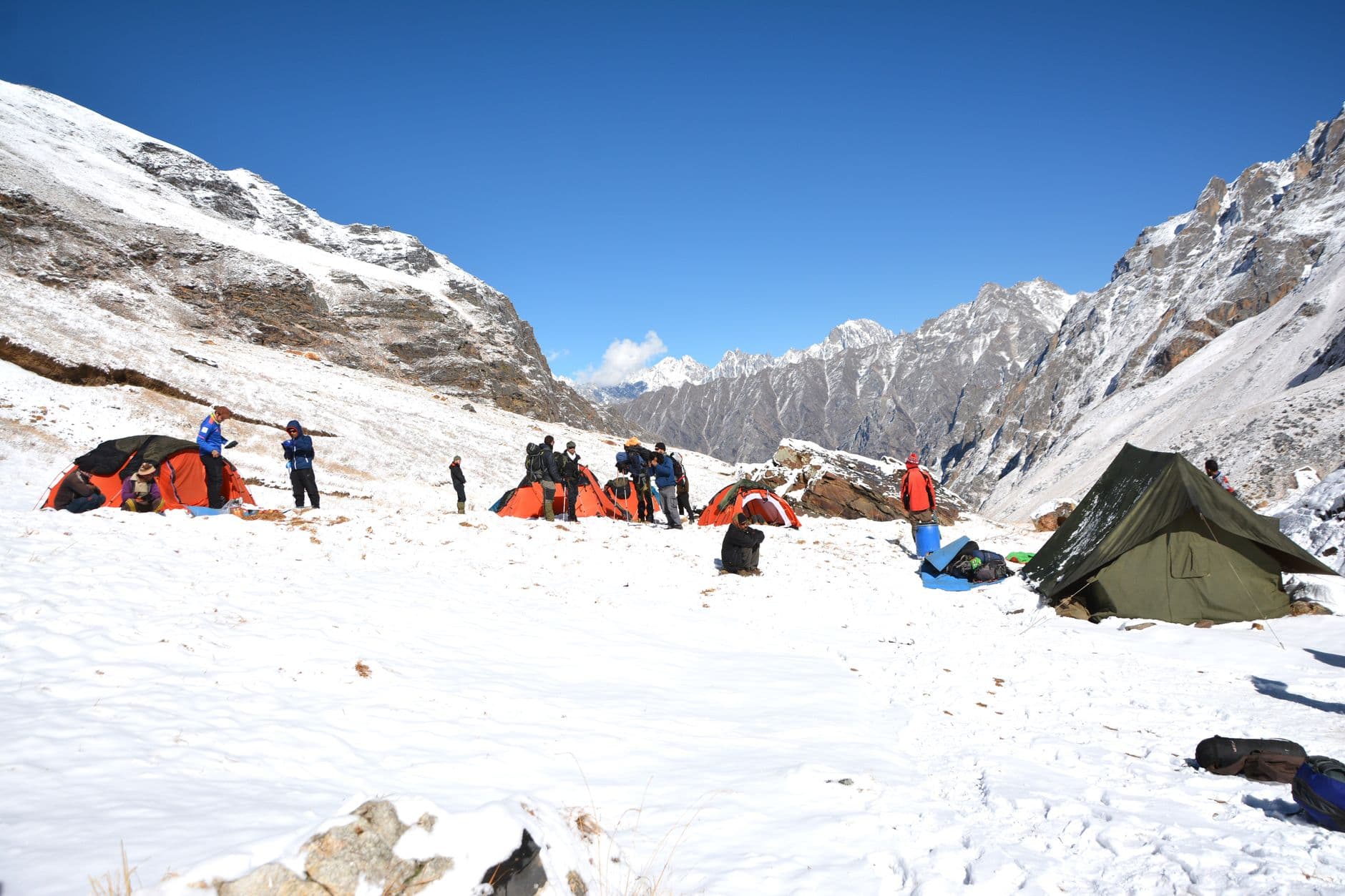
Red-flag checklist: rest, descend, or seek care
Use this as your quick field check in the first 48 hours:
- Rest and stop the effort if you get a new headache, nausea, dizziness, fatigue, reduced appetite, or sleep trouble after gaining elevation.
- Delay the summit, skip the long ride, or stay at camp if symptoms are getting worse instead of easing after rest.
- Descend and seek medical care immediately if you become confused, start walking unsteadily, or feel short of breath at rest.
- Treat severe or rapidly worsening symptoms as an emergency, especially in remote places where help may be far away.
This article was produced by Prism’s automated news system from verified source data, official records, and press releases, then run through automated quality and moderation checks before publishing. The system is built and supervised by the people who set the standards it runs under. Read our full AI policy.
Did this article answer your question?