Moab Council weighs OHV noise, trail signs, and water conservation efforts
Moab’s latest council agenda puts the trip into town under a microscope: OHV speed, trail signs, and water conservation are all in play before summer traffic peaks.
If your Moab day starts with an OHV rumble through town on the way to the trail system, the city is still working on the rules, signs, and guidance that shape that first mile. The April 28 City Council agenda included updates on trail wayfinding and spring water conservation outreach, while public comment brought the long-running OHV noise debate back to the surface.
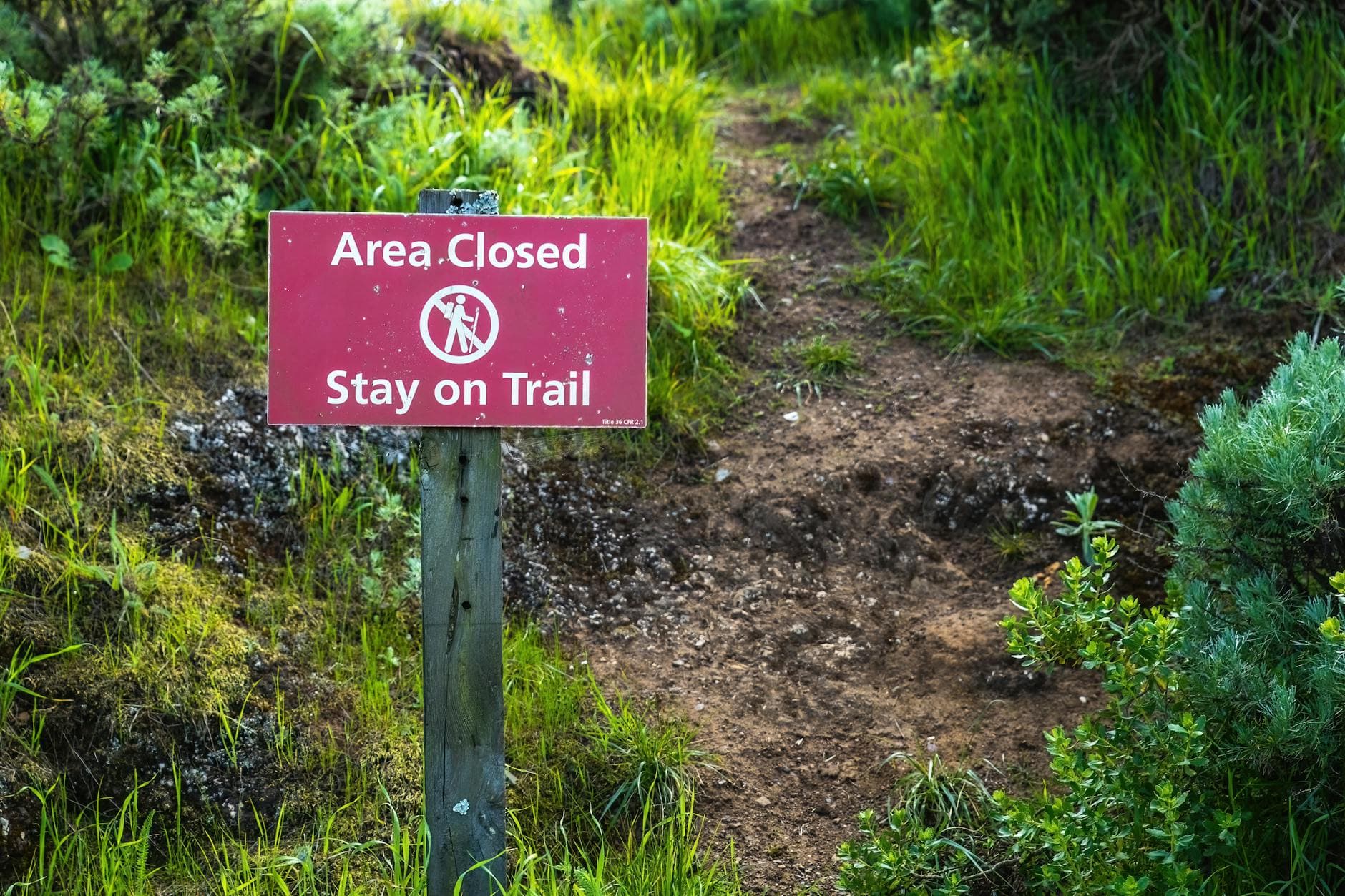
The wayfinding piece matters because it is not just about prettier signs. The April 28 agenda packet says the project helps people identify destinations, navigate new routes, choose more comfortable routes, and prepare for their excursion. Moab tied the work to its Unified Transportation Master Plan and Non-Motorized Trails Master Plan, and the city hired Landmark Design in November 2025 to complete a wayfinding study. For visitors trying to move from lodging corridors to trailheads without circling the same streets twice, that could change how easy the town feels to read.
OHV policy remains the sharper friction point. A Mill Creek Drive resident urged the council to keep and enforce the existing OHV speed signs instead of backing away from Ordinance 2020-15, the city’s speed-limit ordinance adopted on October 20, 2020. City materials say Utah law allows street-legal OHVs to be driven through town and directly to backcountry trailheads, but they also say OHV noise is a significant concern to Moab residents and that the City Council enacted a lower 15-mile-per-hour OHV speed limit on city streets. Moab’s municipal code still references Ordinance 2020-15 and a 2021 update in its OHV speed-limit section.
The fight over whether those signs still carry legal weight has been building for months. In March 2026, city staff told the council the familiar “OHV Speed Limit 15 MPH” signs were never legally enforceable under state law because they used the wrong terminology, and the city later began removing them. Grand County commissioners then voted 4-3 on April 7, 2026, to repeal a 2020 county ordinance that had required OHVs to travel below posted speed limits on county roads.
Water conservation rounded out the same picture. Moab has already moved before to update landscaping rules with conservation elements better suited to its arid climate, and the new outreach effort suggests the city wants desert restraint to be part of the visitor experience, not just a back-office utility issue. Put together, the agenda points to a familiar Moab problem being tackled from three sides at once: clearer trail directions, calmer streets, and fewer wasteful habits as the busy season builds.
This article was produced by Prism’s automated news system from verified source data, official records, and press releases, then run through automated quality and moderation checks before publishing. The system is built and supervised by the people who set the standards it runs under. Read our full AI policy.
Did this article answer your question?