Moab expands protection for 190-million-year-old dinosaur tracksite on Hell's Revenge
Erosion is exposing new dinosaur tracks on Hell's Revenge even as it threatens them, and Moab just widened protection around the 190-million-year-old site.
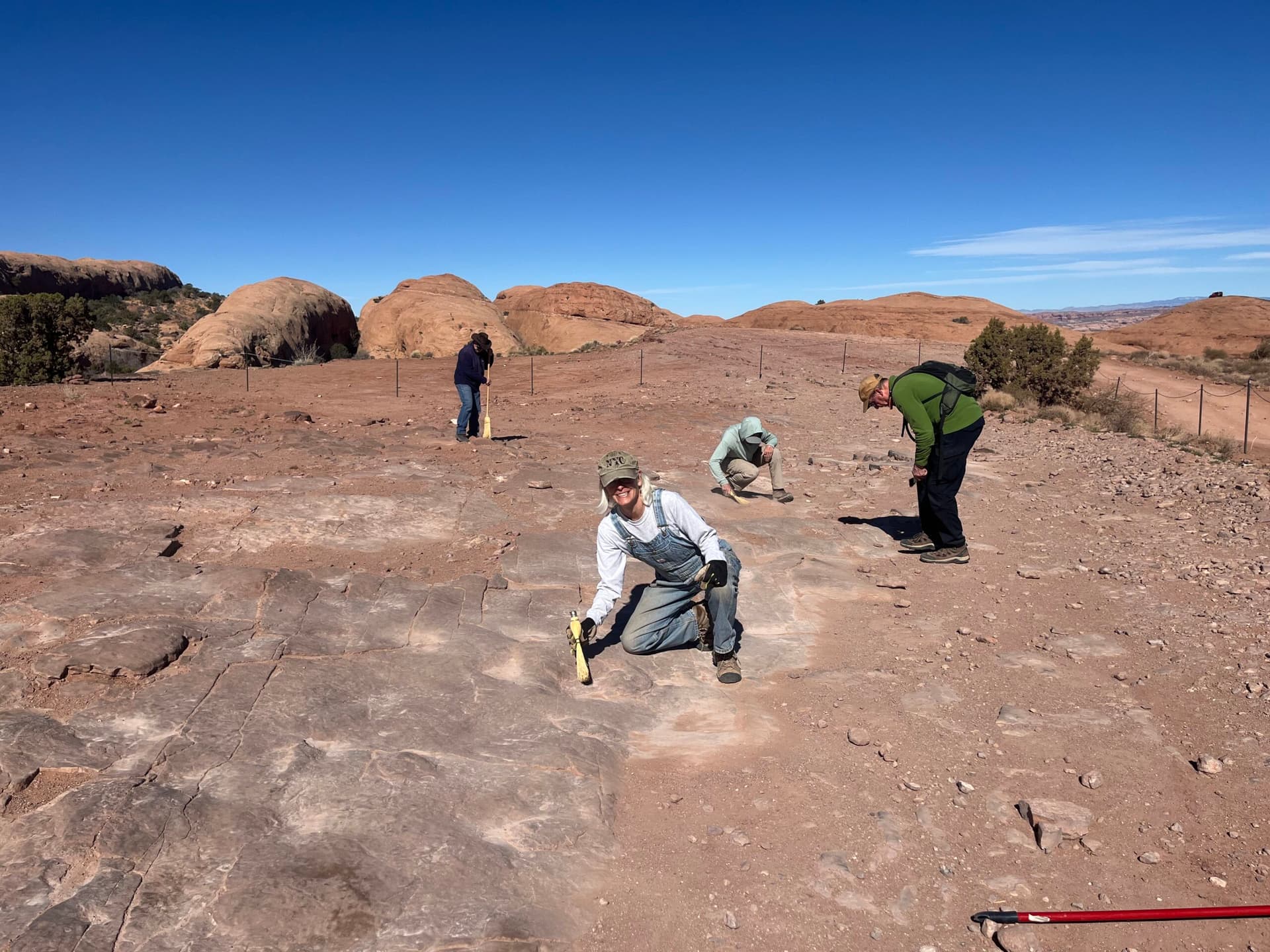
Erosion is peeling back more of Hell’s Revenge’s dinosaur tracksite, but it is also putting the 190-million-year-old surface at greater risk. Moab’s latest protection step expands the safeguarded footprint from about 3,000 square feet to 17,000 square feet, giving managers a wider buffer around tracks preserved in Navajo Sandstone along one of Sand Flats Recreation Area’s busiest off-road routes.
The expanded zone spans both Bureau of Land Management and Utah State Trust lands and now covers a site that has proven larger and more complex than anyone understood a decade ago. BLM says the tracksite includes prints attributed to large predators such as Dilophosaurus, smaller meat-eaters like Segisaurus, and sauropod ancestors such as Seitaad. The new protection also reflects the discovery of roughly 30 additional visible tracks as erosion exposed more of the surface.
Andrea Brand, the Sand Flats Recreation Area director, spotted a reverse theropod track in 2025 and alerted BLM paleontologist Dr. Emily Lessner, a find that helped trigger the more detailed survey behind the expansion. In February 2026, BLM heavy equipment operator Lee Palfreyman worked with Lessner, Brand and Sand Flats staff to build a new road and move existing boulders away from the rim, a practical fix meant to keep traffic off the most sensitive ground.
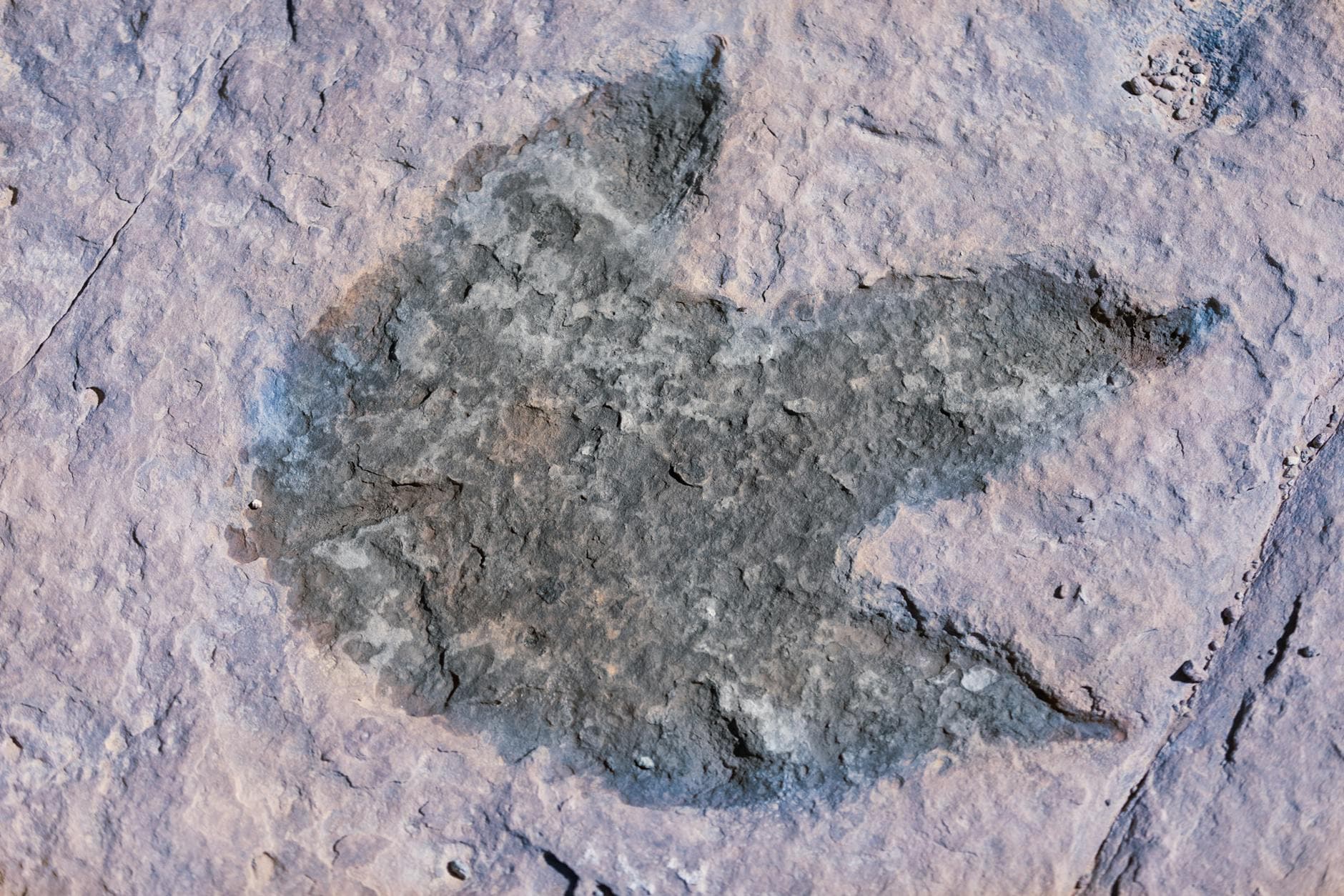
The push for tighter protection has a hard-edged backstory. On February 19, 2014, a guide leading a tour group discovered that a 150-pound rock slab containing a three-toed dinosaur track had been stolen. Jared Ehlers later pleaded guilty to removing a paleontological resource and was sentenced in October 2014 to one year of probation, six months of home confinement and $15,090 in restitution. Grand County spent $990 and the Utah Department of Public Safety spent $14,100 trying to recover the slab from the Colorado River after Ehlers dumped it off Dewey Bridge.
For visitors planning a Sand Flats trip, the message is simple: the trail remains an active recreation corridor, but the fossil zone around it is getting a much firmer boundary. Sand Flats covers 9,000 acres, sees more than 250,000 visitors a year, and includes 140 first-come, first-serve campsites plus six group campsites. Hell’s Revenge itself runs about 6.5 miles, typically takes two to three hours for experienced drivers and is not recommended for ATVs. On a route like that, better fossil protection does more than save tracks. It helps keep one of Moab’s signature recreation landscapes intact for the next wave of drivers, hikers and sightseers.
This article was produced by Prism’s automated news system from verified source data, official records, and press releases, then run through automated quality and moderation checks before publishing. The system is built and supervised by the people who set the standards it runs under. Read our full AI policy.
Did this article answer your question?