Moab seeks landowners for wood duck nesting box program
Moab’s birders have been seeing fewer wood ducks. Now waterside landowners can help by hosting nesting boxes along wetland corridors.

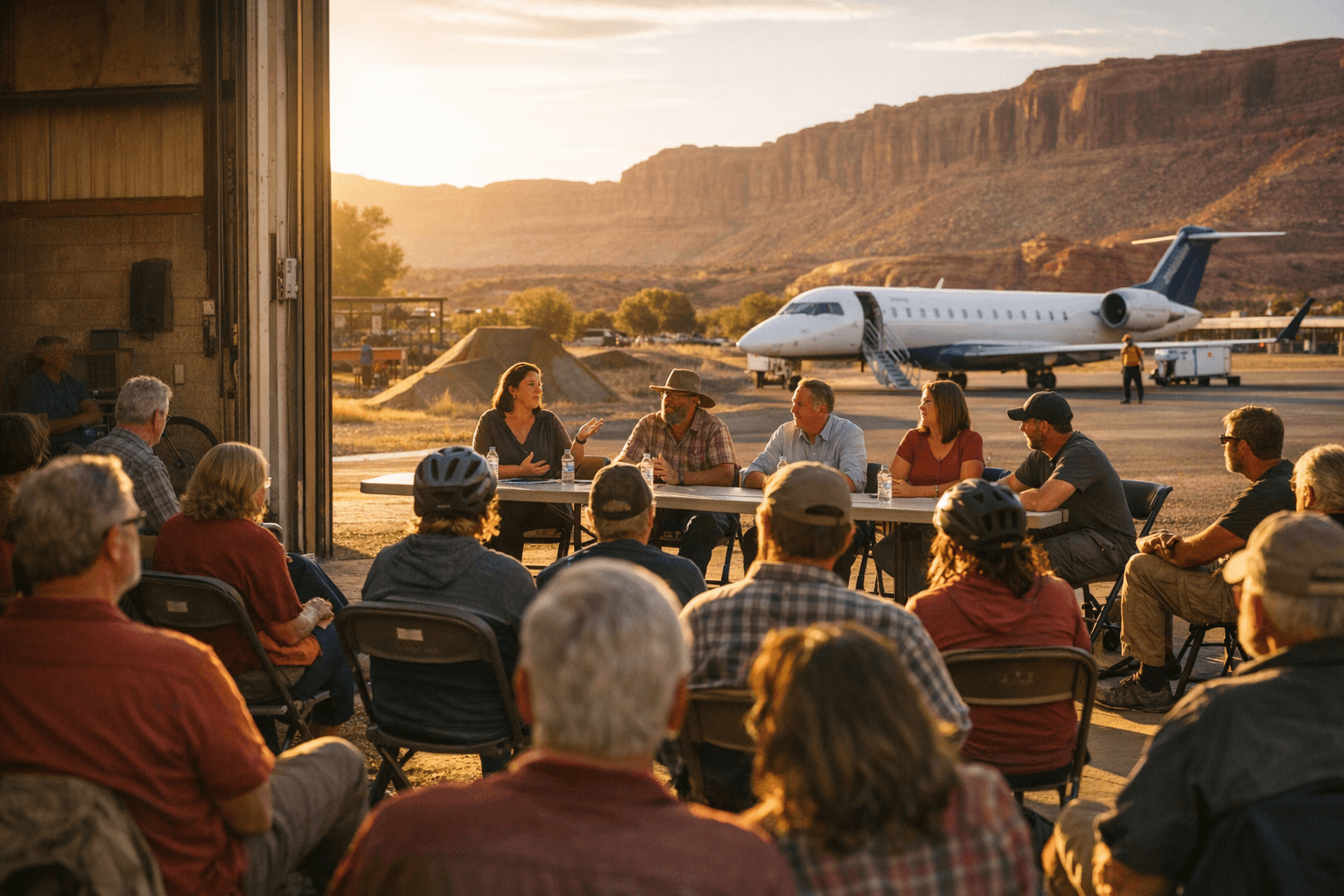
Wood ducks had become harder to spot in Moab’s wetland corridors, and that made a small backyard move feel bigger than it sounds. USU Extension was looking for waterside property owners willing to host wood duck nesting boxes on land along the region’s waterways, a simple step that could help a native bird while also giving birders and wildlife watchers a better window into what is happening in the riparian strip.
The birds matter here because wood ducks are native to the area, and local observers have noticed fewer sightings in recent years. That decline has sharpened attention on the kind of habitat these ducks need to breed successfully. In riparian environments, where water, cover and safe nesting sites all have to line up, a nesting-box program can help offset some of the pressures that make reproduction tougher than it should be.
For Moab, the value goes beyond one species. The canyon country experience is tied to river corridors, wetland edges and the living system that runs through them. A box on the right stretch of property can do more than create a place for a duck to nest. It can help landowners, extension staff and local wildlife watchers build better visibility into the waterways that thread through the area, turning a private parcel into part of a broader conservation picture.
The program is aimed at people with waterside or wetland-adjacent property, especially those whose land touches the kind of habitat wood ducks already use. That makes the opportunity practical as well as local. Private and semi-private parcels along the region’s waterways can become part of the effort, adding nesting sites where they are most likely to matter and helping keep a native bird visible to people who spend time birding, paddling, hiking or simply watching the river corridor.
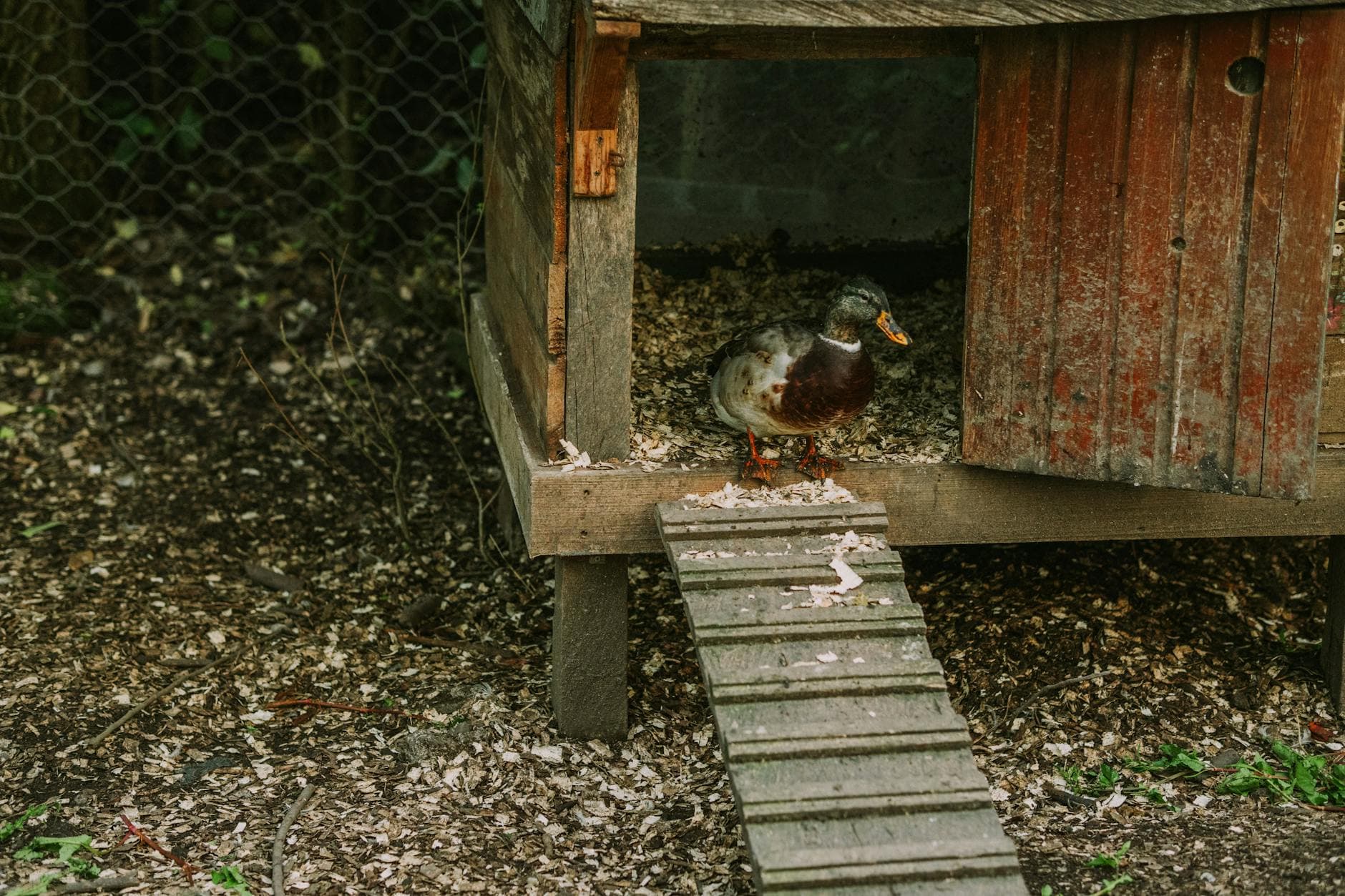
If property owners step forward, the boxes could produce more data about nesting success and help maintain a species many visitors still hope to see on a good day out. In a place where conservation is often discussed in big terms, this was a hands-on invitation to do something specific, right at the edge of the water.
Know something we missed? Have a correction or additional information?
Submit a Tip