USU offers wilderness medicine training for Four Corners adventurers
USU’s wilderness medicine classes put real backcountry care within reach of everyday adventurers. The right course can buy time when rescue is slow.

Wilderness training that belongs in every Four Corners season
USU’s outdoor education program puts a useful truth in plain view: the people most likely to need backcountry medical skills are not always professionals. Wilderness medicine, avalanche education, and swift-water rescue training are open to the general public unless a specific course says otherwise, which means serious preparation is available to hikers, paddlers, bikepackers, trip leaders, and anyone else heading beyond easy help.
That matters in the Four Corners, where a small injury or a fast-moving weather change can become a long, complicated rescue. In remote canyons, high country, and rivers, the delay between an accident and evacuation can be the difference between a rough day and a life-threatening one.
Wilderness First Aid: the most accessible starting point
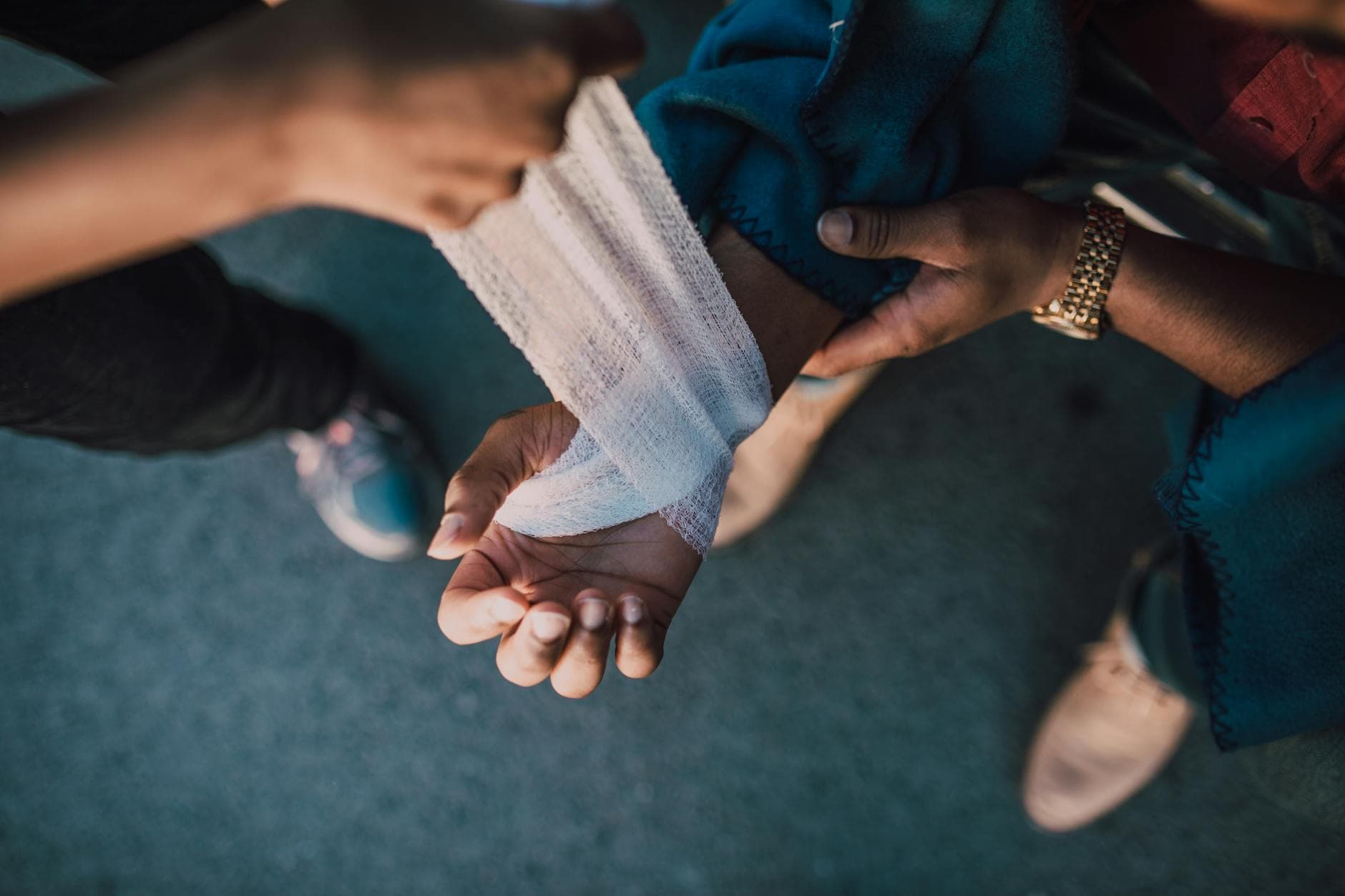
The most public-facing course in the lineup is Wilderness First Aid, and it is aimed squarely at outdoor enthusiasts, trip leaders, raft guides, and land-agency field staff who want more than a standard urban first-aid class. That framing matters because trail problems rarely look like neighborhood emergencies. In the backcountry, the questions are different: how do you keep someone stable while help is still far away, and how do you make smart decisions when conditions are working against you?
The course covers the essentials that matter most when the nearest road is miles away. Training includes prevention, assessment, treatment of environmental illness, recognition of life-threatening trauma, and how to call for rescue when an emergency happens in the wilderness. Those are not abstract skills. They are the first tools you reach for when a twist, fall, dehydration episode, heat illness, or exposure situation starts to spiral.
For anyone planning spring hikes, rafting trips, bike tours, or remote-day adventures, this is the kind of class that fits before the season gets busy. It is especially useful before the first long days on trail or river, when weather can shift quickly and people often overestimate how close they are to help.
Wilderness First Responder: the standard for long, hard days far from help
USU’s more advanced Wilderness First Responder course is described as the standard level of medical training for people working multi-day trips, technical rescue personnel, military users, disaster-relief staff, and serious outdoor travelers. That is the group most likely to face the real edge cases of backcountry risk: long durations, hard terrain, and limited communications.
The reason this course stands out for Four Corners adventurers is simple. Many of the region’s most rewarding places are also the most difficult to access. A multi-day canyon trip, a high-country route, or a river run in rough weather can put a group well beyond immediate assistance. A stronger medical course gives you more than confidence. It gives you a plan for managing injuries and environmental risks until evacuation is possible.
That is where wilderness medicine changes the outcome. A solid course can turn a bad situation into a survivable one by helping people stabilize problems, make better calls, and keep moving toward rescue instead of panicking while waiting for it.
Why these skills matter so much in the Four Corners
The Four Corners region rewards people who are willing to get outside, but the same terrain that makes it special can also slow rescue to a crawl. Deep canyons, rugged high country, fast water, and weather-dependent access all create delays that most city first-aid classes simply do not prepare you for. If a trailhead is far away or a storm closes off a route, the group on scene may become the first, and only, responder for hours.
That is why USU’s training is built around real-world field conditions. It is designed for the places where people actually recreate and work, not just for clean classroom scenarios. That approach makes the program relevant to professionals and nonprofessionals alike, because anyone who spends time in remote terrain faces the same basic problem: help is not always immediate.
The practical value is easy to see. Prevention can keep a problem from starting. Assessment helps you decide what is serious and what can wait. Environmental illness training matters when heat, cold, altitude, or dehydration are part of the landscape. Recognition of life-threatening trauma helps you identify the emergencies that cannot be ignored. And knowing how to call for rescue in the wilderness is its own critical skill, because communication can be unreliable when you are far from town.
What to look at before peak season hits
If you are planning to get out during the busiest stretch of the year, this is the time to think about training, not after you are already committed to the trip. Spring hikes, rafting runs, bike tours, and remote-day adventures all ask more of your group once conditions get hotter, windier, wetter, or simply more crowded. A course taken early gives you time to practice the basics before the season demands them.
A smart checklist looks like this:
- Take Wilderness First Aid if you want a strong foundation for day trips, guide work, or general backcountry preparedness.
- Move up to Wilderness First Responder if your time outdoors regularly stretches into multi-day trips or technical terrain.
- Add avalanche education if your travel reaches snowy country where conditions can shift fast.
- Add swift-water rescue training if rivers are part of your season, especially when flows and weather can change the risk level quickly.
The common thread is simple: the more remote or consequential your outings become, the more valuable these skills are. The backcountry does not wait for a perfect rescue window, and in the Four Corners, that reality is part of the adventure.
USU’s outdoor education program makes those skills accessible to the public, which is the real takeaway. The best time to learn how to respond in the wilderness is before the canyon, the river, or the high pass asks you to prove it.
This article was produced by Prism’s automated news system from verified source data, official records, and press releases, then run through automated quality and moderation checks before publishing. The system is built and supervised by the people who set the standards it runs under. Read our full AI policy.
Did this article answer your question?