Moab tourism launches documentary campaign spotlighting the people behind the place
Moab is betting a documentary series can move visitors past the overlook and into the town’s art shops, guide shuttles, and river culture.
Moab is trying to sell something harder than scenery: a sense of place. The Moab Office of Tourism has launched Who is Moab, a four-part documentary-style campaign that puts artists, guides, business owners, and longtime locals in front of the usual red-rock spectacle, with the series now live on the Discover Moab website.
The project was built with reelCreative as a more intimate alternative to standard destination marketing. Instead of packing every frame with arches, slickrock, and trail porn, the films were shot to capture natural settings, natural sound, and unscripted moments, so viewers can see how Moab feels to live in, not just how it photographs from a overlook. Matthew Klein, reelCreative’s co-founder, said the point was to move beyond the highlight reel and tell the story of the people behind the destination.
That shift matters in a town that has always had to balance visitation with identity. Discover Moab describes the community as just over 6,000 locals, and the official site says there are more than 75 guide companies operating there. It also calls Moab the only town in Utah with access to Colorado River recreation, a line that helps explain why river runners, trail riders, and overlanders keep coming back.
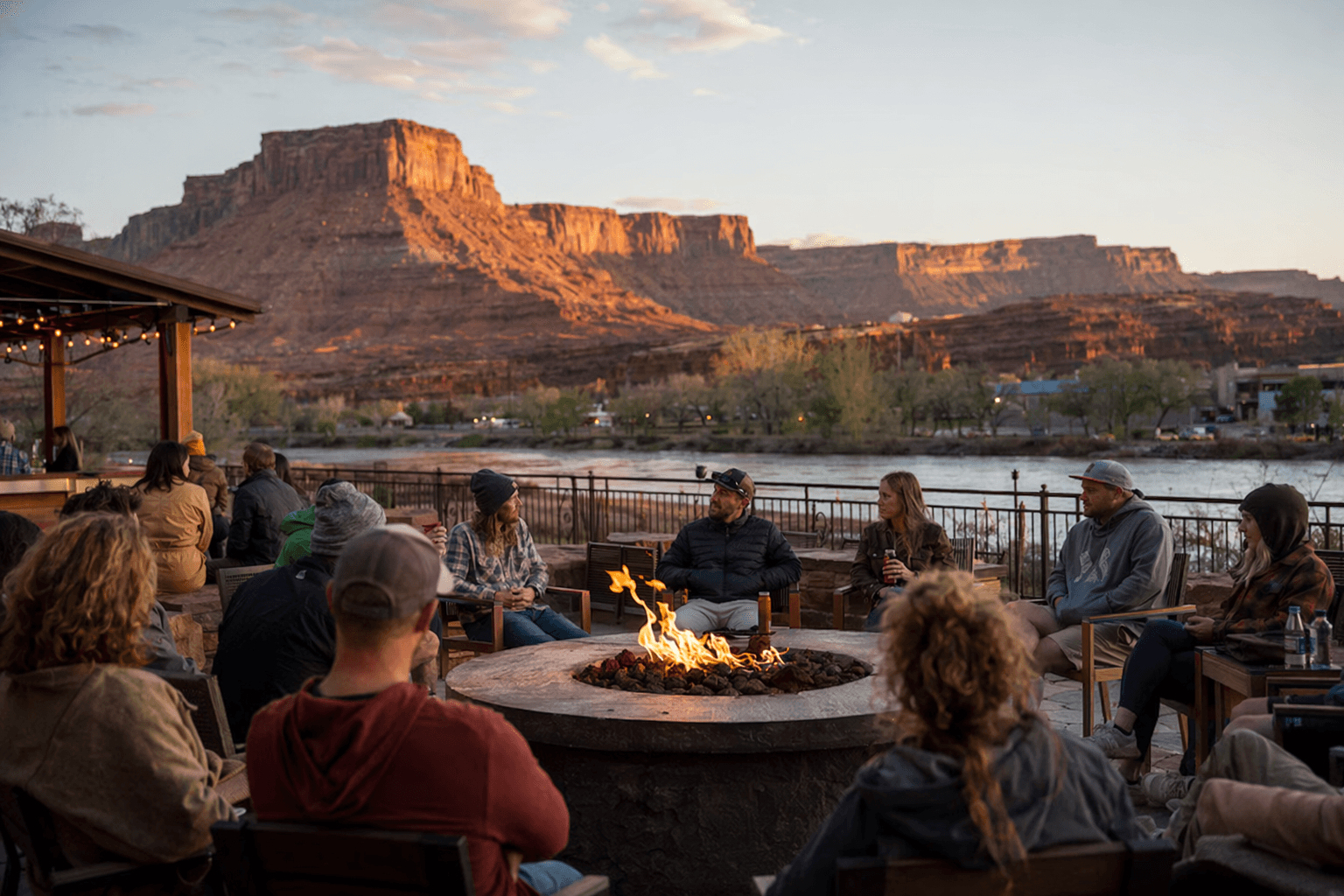
The four episodes are built around motorcycle trail riding, art, off-road and 4x4, and rafting. Featured subjects include the Welch family, Serena Supplee, Dave Hellman, and James Tockstein, names that will ring familiar if you spend any time around the river corridor, the backcountry shops, or the trailheads outside town. Ali Harford of the Moab Office of Tourism said the area’s guides, outfitters, and artists are the real secret sauce, and that visitors who slow down and talk to locals will understand the place more deeply.
The timing is notable. The Moab Office of Tourism became its own department in January 2025, and the Moab Tourism Advisory Board changed its name from the Moab Area Travel Council Advisory Board in March 2025. Last year, the office spent $2,782,000 on paid media and $40,000 on earned media, according to the Moab Times-Independent, which shows how much money Moab is already putting behind the visitor economy.
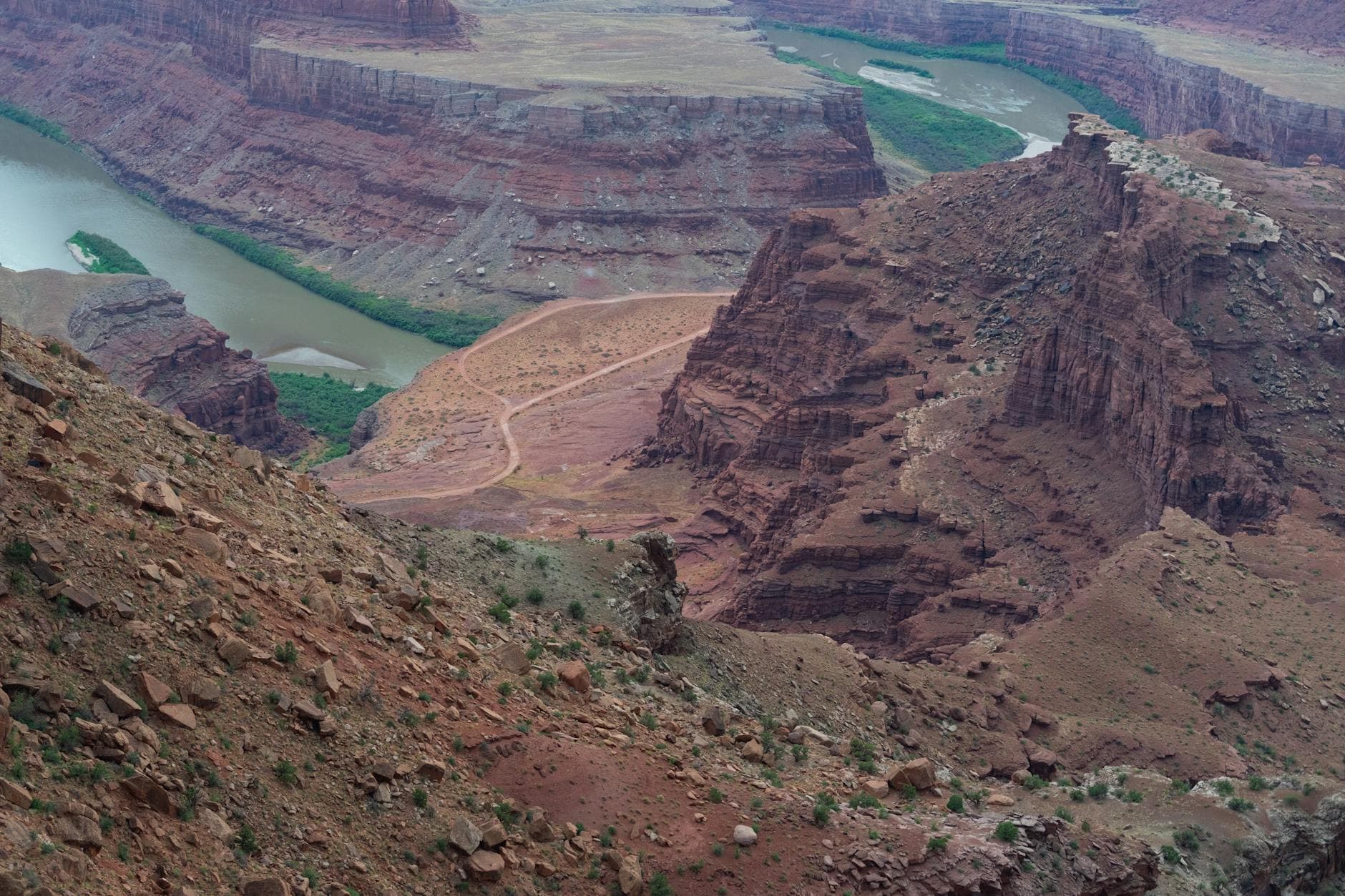
The economic stakes are not small. The National Park Service reported that 2.4 million visitors to Southeast Utah’s national parks in 2023 spent $397.6 million in nearby communities, supported 5,122 jobs, and generated a $486.1 million cumulative economic benefit. Arches drew 1.5 million visitors that year, while Canyonlands drew 800,000.
So the real test for Who is Moab is not whether it looks good online. It is whether a story about Kaleigh and Tyler Welch, a river run, or a local artist can make travelers behave differently once they arrive, slowing them down long enough to spend more, stay longer, and treat Moab like a community instead of a backdrop.
This article was produced by Prism’s automated news system from verified source data, official records, and press releases, then run through automated quality and moderation checks before publishing. The system is built and supervised by the people who set the standards it runs under. Read our full AI policy.
Did this article answer your question?