Moab Water Crisis Looms as Dry Year Threatens Summer Season
Moab’s water year is already shaping summer plans: leaders said 60% of residential water goes outdoors, and dry conditions could hit showers, campgrounds, and river trips.
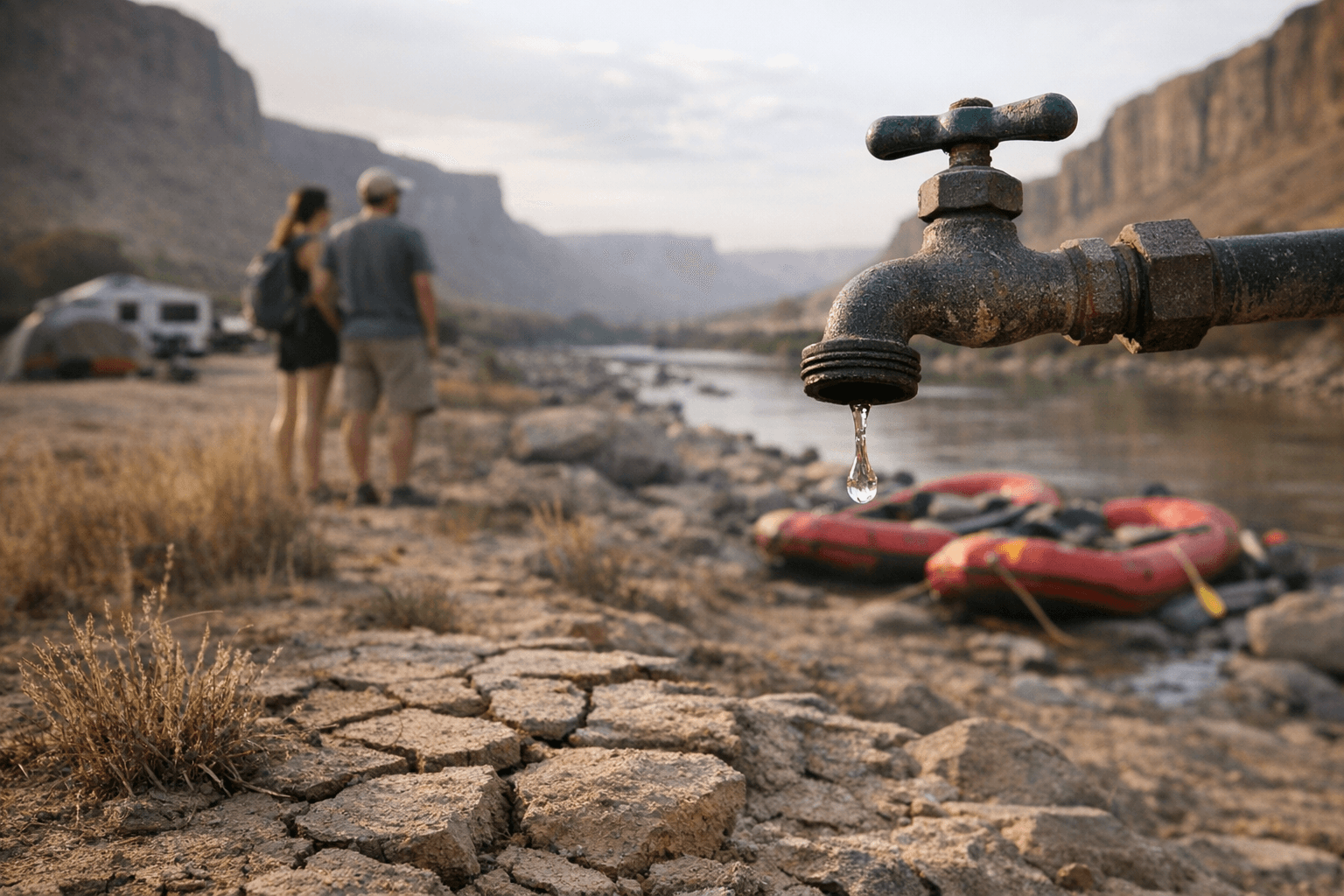
Moab’s summer season is heading into the dry year with a blunt reality: most of the town’s household water goes outside. At an April 17 special joint meeting of the Moab City Council and Grand County Commission, local leaders said roughly 60% of residential water use is tied to lawns, gardens, and irrigation, a share that could quickly turn spring watering habits into a peak-season problem for residents and visitors alike.
That meeting, held from noon to 2 p.m. in Moab City Council Chambers, put a City/County Water Conservation Plan on the agenda alongside other shared issues. The timing matched a hydrologic picture that has only worsened since the start of Utah’s 2026 water year on October 1, 2025. The Utah Division of Water Resources said the state’s snowpack peaked on March 9 at 8.4 inches of snow-water equivalent, the lowest on record, and then fell apart. By April 1, 53 of Utah’s 140 snow-monitoring sites were bare; a week later, that number had climbed to 64. The agency said 100% of the state was in some form of drought.
Leaders are warning that the pressure will not stop at the city limit sign. Commissioner Mike McCurdy said the river was already being capped every night, and the Colorado River had peaked only three days before the meeting. Reservoirs were still sitting around 69%, and soil moisture around 70%, but those numbers reflect early melt rather than a comfortable supply. Moab’s wells are still holding, yet officials said they are drawing on older water, which means the toughest effects could arrive later, right when the town is deepest into summer traffic.
For a desert-adventure hub, that matters in practical, everyday ways. More restrictive watering could change how campgrounds manage spigots, how lodging handles showers and laundry, and how outfitters and river-trip operators plan around peak demand. The message from officials was not just conservation for its own sake, but keeping the system stable enough to carry Moab through the season without a crisis at the taps.
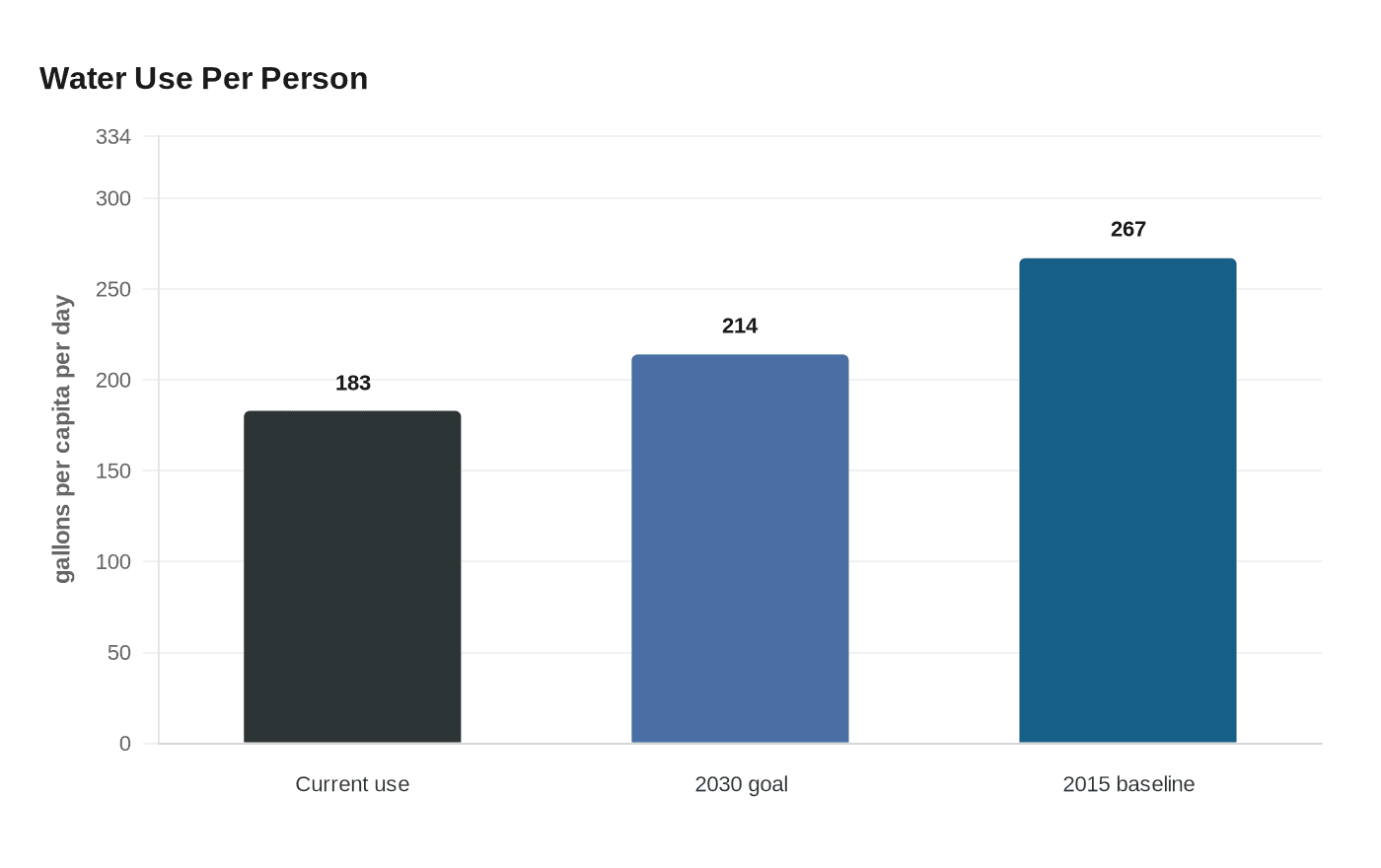
The longer-term numbers explain why the worry is so sharp. Grand Water & Sewer Service Agency’s 2025 conservation plan sets a goal of 214 gallons per capita per day by 2030, while current Grand County use is already about 183 gallons per capita per day, below the state’s 2015 baseline of 267. A U.S. Geological Survey study found the Glen Canyon Group Aquifer is Moab’s sole source of public water supply, and warned that additional withdrawals would likely come from groundwater storage rather than sustainable recharge. That makes the city’s apparent short-term stability look less reassuring than it seems. Moab’s own conservation page says the city is already working with neighboring communities to sustain supply, because in a summer like this, water is not background infrastructure. It is the thing that decides how the whole town functions.
This article was produced by Prism’s automated news system from verified source data, official records, and press releases, then run through automated quality and moderation checks before publishing. The system is built and supervised by the people who set the standards it runs under. Read our full AI policy.
Did this article answer your question?