Telluride summer blends festival energy with wildlife safety reminders
Festival weekends make Telluride feel electric, but the same summer crowd is moving through black bear habitat under Stage 2 fire restrictions. The smart trip plan treats wildlife, campground limits, and steep trails as part of the festival experience.

If you are heading into Telluride for summer festival season, you are walking into a town that is at full volume and still very much a mountain environment. The crowds are real, the trails are steep, and the wildlife rules are not background noise. Add Stage 2 Fire Restrictions and a campground calendar that gets shaped around festivals, and the margin for sloppy behavior disappears fast.
Festival season sets the pace
Telluride Bluegrass Festival sits at the center of the summer rhythm, with Planet Bluegrass scheduling the 54th annual event for June 18-21, 2026. That festival date matters beyond the stage lineup because it helps define when the whole valley feels packed, from the town core to the trailheads above it. Planet Bluegrass traces the event back to Telluride’s Fourth of July Celebration in 1973 and the first official festival in 1974, which explains why the town’s identity is so tightly braided to live music.
The Telluride Tourism Board says festivals have been synonymous with Telluride for more than 50 years, and the town’s own calendar backs that up with a summer full of civic and community programming. This is not a place where the event calendar is separate from the landscape. In Telluride, festival weekends, day hikes, camping, and errands in town all collide in the same narrow canyon.
The Telluride Tourism Board’s Official Visitor Guide, first published in 1987 and released twice a year, is part of that same seasonal rhythm. It exists because Telluride is never just one thing in summer. It is a festival town, a trail town, and a high-country destination that asks you to pay attention while you are having fun.
Plan around campground pressure
Lodging and camping get tight quickly because the Town of Telluride’s 2026 Town Park Campground season runs from May 15 through October 4, 2026, and that season includes festival blackout dates. Those blackout dates are not a marketing gimmick. Festivals reserve and manage the campground, which means the busiest weeks are built around event demand before anyone else starts looking for a tent site.
That is the part visitors underestimate most often: the party in town and the logistics behind it are connected. If you are trying to visit during the height of summer, the campground calendar tells you as much about Telluride as the concert schedule does. The practical move is to treat festival weekends as a planning constraint, not a surprise.
The wildlife warning is not decorative
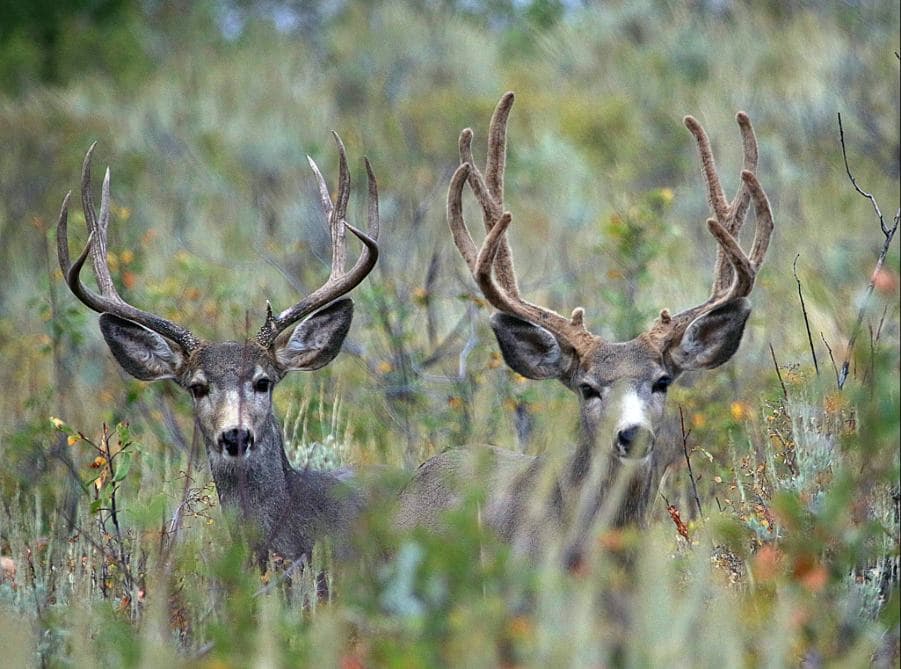
Telluride says the town sits in black bear habitat, and that many wildlife species live in and around town, including beaver, black bear, mountain lions, lynx, and skunks. The town also says it actively manages just two wildlife species, bears and beavers. That detail matters because it makes clear that most of the animals you might see are simply part of the landscape, not roadside attractions.
Colorado Parks and Wildlife says most human-bear conflicts trace back to human food, garbage, pet food, bird seed, or other attractants. That is the single most useful bear lesson for a summer visitor here: do not leave smellable things where a bear can reach them, and do not assume a porch, cooler, car, or campsite is “safe enough.” In a town where wildlife is already present, bad food habits create the problem.

A sensible Telluride routine looks like this:
- Keep food locked up and out of sight.
- Put trash where it belongs the first time.
- Never leave pet food or bird seed accessible.
- Treat any bear, beaver, or other wildlife as a wild animal, not a photo stop.
That list sounds basic because it is, and basic is exactly what keeps a festival trip from turning into a wildlife headache.
Steep trails and high-country use change the equation
The outdoor side of Telluride is just as demanding as the town side. The U.S. Forest Service says Telluride Trail #631 drops more than 1,700 feet from near the San Sophia gondola station into town, which is a useful reminder that a short-looking route can hit hard on tired legs and at altitude. What feels like a casual connector on a map is a real descent in the field, especially if you are heading down after a long day in town or starting late in the afternoon.
The GMUG National Forests says the wider Telluride area offers rugged beauty, wildlife, and more than 3,000 miles of trails and routes across the forest system. That scale is part of the appeal, but it also means there is no such thing as generic “Telluride hiking.” Trail choice, elevation gain, weather, and wildlife exposure all change quickly once you leave town and head into the San Juan Mountains.
Fire conditions are part of summer now
Telluride’s official website showed Stage 2 Fire Restrictions in effect during the summer period covered by these notes, and that should change how you think about campfires, smoking, and anything that can spark in dry country. In a busy summer season, fire restrictions are not a side issue. They sit alongside bear safety, because both are reminders that the mountain environment does not bend to visitor expectations.
This is where the best trips get made or broken. The people who enjoy Telluride most are usually the ones who come in ready for the town’s pace, the campground’s limits, the trail’s steepness, and the fact that wildlife and dry conditions are not separate from the fun. That combination is what makes a summer day in Telluride feel full, and why the smartest way to move through it is with the same attention you would use on a steep descent from the San Sophia gondola station.
This article was produced by Prism’s automated news system from verified source data, official records, and press releases, then run through automated quality and moderation checks before publishing. The system is built and supervised by the people who set the standards it runs under. Read our full AI policy.
Did this article answer your question?