Utah bear den check brings researchers, volunteers into Book Cliffs snow
Nearly 50 people followed Clint Sampson into the Book Cliffs snow for a rare bear-den check, where science, history and backcountry access met in one unforgettable day.
A rare-access winter field day in the Book Cliffs
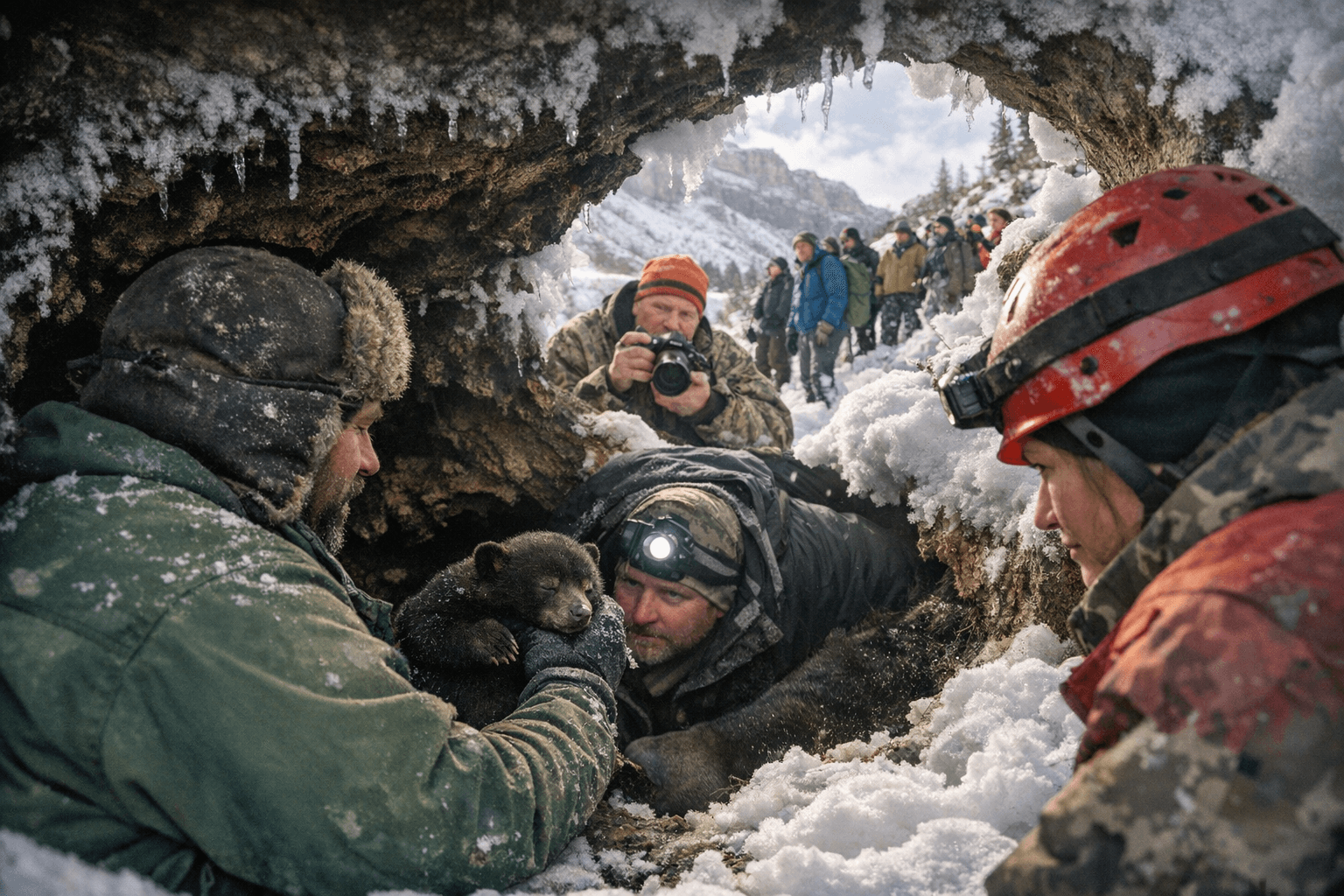
Ordinary people do get the call, and when they do, it can change how they see the high country. In the snow near the northern edge of the Book Cliffs, Utah Division of Wildlife Resources biologist Clint Sampson led nearly 50 people into a bear-den check, turning a tightly technical wildlife task into a rare-access outdoor experience that felt as much like a backcountry expedition as a research outing.
That is what makes this sort of day stand out in the Four Corners world. It is not a staged wildlife viewing and it is not a lecture in a meeting room. It is a cold, physical trek into den country, where researchers, other DWR employees and search-and-rescue volunteers can watch the work unfold and come away with a clearer sense of how much effort goes into managing black bears across Utah’s wild places.
What happens during a den check
A den check is exactly what it sounds like: biologists locate hibernating black bears and assess them while they are still in their dens. In practice, that means checking overall health, taking measurements, looking for cubs and replacing tracking collars when needed. The point is not simply to count bears. It is to get a real-time picture of condition, reproduction and movement while the animals are still deep in winter mode.
Sampson’s outings are notable because he invites observers along instead of keeping the work behind a closed technical curtain. He has said that bringing people does not harm the bears, and that the experience helps build a connection to the animals and the landscape they inhabit. For adventure-minded readers deciding what kind of one-off winter experience is actually worth the effort, that mix of science, access and place is the whole package.
One bear in particular shows why the work matters. During a den check involving a three-legged bear nicknamed Tripod, biologists found the animal was too thin to have cubs. That kind of finding matters far beyond a single den. It feeds into decisions about bear health, cub survival and how managers think about the species’ long-term condition in a landscape that is constantly shaped by snowpack, drought and human activity.
Why the Book Cliffs matter to bear management
The Book Cliffs are not just a scenic backdrop for the outing. They are part of a living system that state biologists monitor closely, especially where high-country bears overlap with canyon country travel, ranching, hunting and seasonal access. Utah’s black bears are managed as part of a broader framework that has to balance healthy populations with human safety, economic concerns and the needs of other wildlife species.
That framework is spelled out in Utah’s current Black Bear Management Plan, which runs from 2023 through 2035. The plan says the goal is to maintain a healthy bear population in occupied habitat while considering those competing pressures. It also notes that Utah’s first black bear management plan grew out of a 1999 ad hoc Black Bear Discussion Group, which included citizen representatives of sportsmen and animal protection groups, researchers, livestock operators, and federal and state agency representatives.
That history matters because it shows Utah’s bear management was built from the start as a public conversation, not just an agency exercise. The den checks fit that same pattern. They make the science visible, and they remind visitors that the bears moving through the Book Cliffs, the high country and canyon country are not scenery. They are part of a management system that has to respond to what is happening on the ground.
A tradition that started long before this outing
Sampson’s group outing did not appear out of nowhere. It follows a long tradition tied to retired Brigham Young University professor Hal Black, who began bringing students and other interested people on den-check trips in 1991. Black’s broader East Tavaputs Plateau black bear research effort ran from 1987 through 2004 and drew support from the Utah Division of Wildlife Resources, the Bureau of Land Management, the USDA Forest Service, the Uinta and Ouray Indian Tribe, BYU and private individuals.
That history gives the modern Book Cliffs trip a deeper meaning. BYU’s own account describes Black’s bear-trapping trips as a classroom adventure, with students, Boy Scout troops and even TV news crews invited along. In other words, public participation has been part of this research culture for decades. What Sampson is doing now is carrying that tradition into a new era, with the same idea at its core: if people can see the work firsthand, they understand the animals and the landscape more clearly.
A DWR podcast episode from May 17, 2022 says biologists make early-spring treks to snowy dens each year to check hibernating black bears across Utah. That detail captures the rhythm of the work. These are not casual outings. They happen when the snow still forces a deliberate pace and when the timing is tight enough to get meaningful information before bears fully emerge.
How Utah uses the data
The den checks feed into a bigger reporting system that has been running for a long time. DWR’s black bear annual reports track statewide trends and population indicators, and the agency says those reports have been compiled since the 1960s. The agency also notes that bear numbers from prior years can be adjusted if new information becomes available later, which matters in wildlife management because the picture often sharpens only after more field data comes in.
Utah also revised its bear management approach in 2023 to give district biologists and regional managers more flexibility. That flexibility is meant to help them respond to drought, human conflict, agricultural damage and possible impacts on mule deer populations. In a state where weather, habitat and human use can shift quickly, that kind of room to respond is not a bureaucratic detail. It is what allows the agency to keep management tied to conditions on the ground.
A 2026 Utah Wildlife Board news release says bear and cougar populations in Utah remain stable. That stability does not mean the work is finished. It means the management system, the reporting and the field checks continue to matter, especially as changing conditions keep pressure on wildlife habitat and on the people who travel, live and work in bear country.
Why this outing resonates beyond the biologists
For anyone heading into the Book Cliffs, the bigger takeaway is simple: the landscape is active, watched and managed, not frozen in the romantic idea of wilderness some people bring with them. Bears in Utah’s high country and canyon country are part of a system that includes den checks, annual reports, public-facing field trips and a management plan built to balance wildlife health with real-world pressures.
That is why a winter den check can feel like a once-in-a-season opportunity rather than just another agency assignment. Nearly 50 people did not just watch science happen. They walked into it, in snow, with Clint Sampson as the guide, and saw firsthand how Utah keeps tabs on one of the region’s most iconic animals. In the Book Cliffs, that kind of access is rare, and the lesson lasts long after the tracks in the snow are gone.
This article was produced by Prism’s automated news system from verified source data, official records, and press releases, then run through automated quality and moderation checks before publishing. The system is built and supervised by the people who set the standards it runs under. Read our full AI policy.
Did this article answer your question?