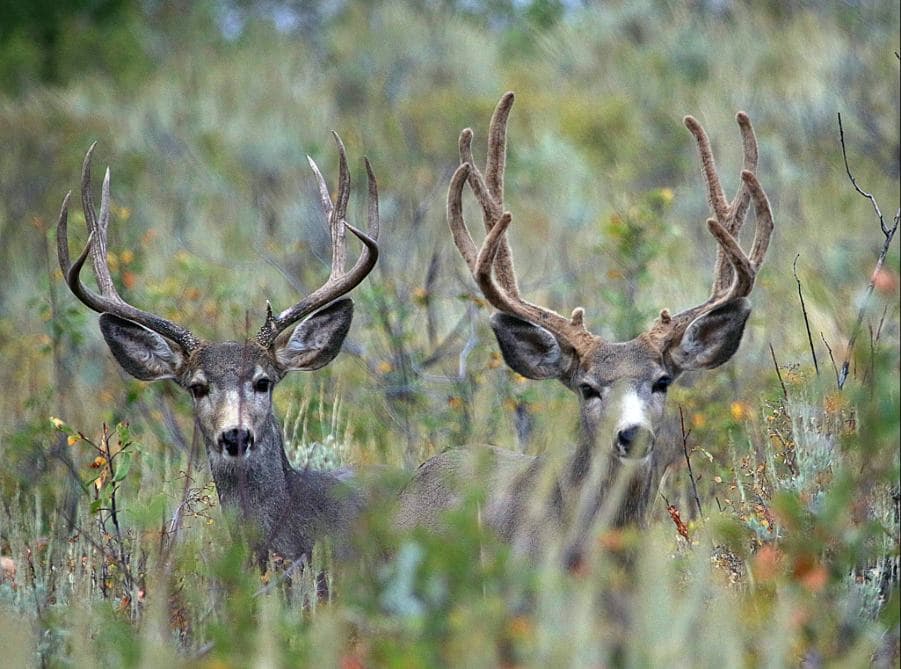
Warm, Dry Winter Reshapes Wildlife Movement and Spring Recreation in Southwest Colorado
A winter that barely arrived pushed bears, deer and elk into spring mode early across Southwest Colorado. The warm, dry pattern also left record-low snowpack and a rougher outlook for trailheads, campgrounds and river country.
Bears are coming out early, deer and elk are shifting sooner, and the usual spring calendar is already off-kilter across Southwest Colorado. In Durango, above-average temperatures dominated the winter, with record highs in December and February and much of January running in the high 40s and low 50s, a pattern Colorado Parks and Wildlife senior wildlife biologist Jamin Grigg said ranked as the most severe non-winter he has seen in more than 20 years on the job.
That matters far beyond the weather page. Colorado set record-low April 1 snow water equivalent values in 2026, and the Natural Resources Conservation Service said many basins hit peak snow water equivalent unusually early, in late February to mid-March. The Colorado Basin River Forecast Center is calling for below-average runoff from April through July, which points to leaner spring water, earlier drying in some places, and a tougher setup for habitat that depends on moisture. In the San Juan Mountains and along the San Juan River at Pagosa Springs, that means the season is likely to feel different before summer even starts.
Colorado Parks and Wildlife says wildlife movement is driven by seasonal access to food and habitat, and the list of barriers is familiar to anyone who drives or recreates here: highways, housing and commercial development, recreation, roads and fencing. Highway 160 west of Pagosa Springs is one of the major deer and elk crossing corridors, so a winter that pushes animals to move earlier can show up fast on the pavement, at trailheads, and around the edges of campgrounds and pullouts.
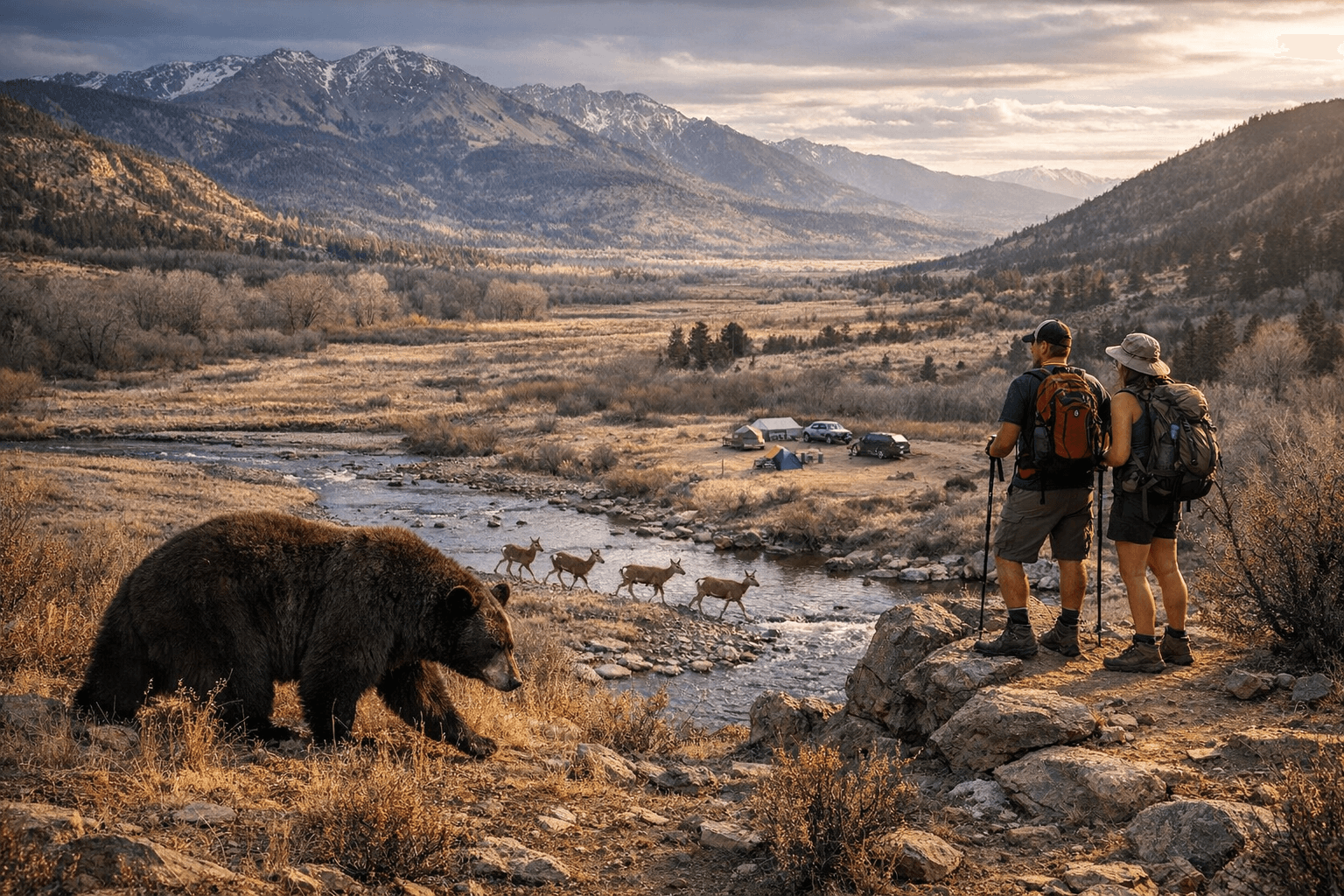
The biggest bear problem is even more straightforward. Colorado Parks and Wildlife says most bear conflicts trace back to human attractants, especially food, garbage, pet food and bird seed. With bears emerging earlier than usual, the usual late-spring caution needs to start now, not after the first big crowds arrive in the backcountry.
The region’s big-game numbers give the shift real weight. Colorado’s elk population is estimated at more than 290,000, and mule deer numbers in western Colorado have been trending downward for years. Weather, habitat quality, predation, disease and interactions with elk all shape those deer populations, which means a dry winter does not just shorten ski season or dust off the trails early. It changes how wildlife moves, where people are most likely to run into it, and how quickly the spring recreation season will tighten around wildlife corridors, water, and the first green-up.
This article was produced by Prism’s automated news system from verified source data, official records, and press releases, then run through automated quality and moderation checks before publishing. The system is built and supervised by the people who set the standards it runs under. Read our full AI policy.
Did this article answer your question?