Why staying off desert soil crust protects Four Corners landscapes
A single footprint can break desert soil crust that took centuries to build, so staying on rock and tread is one of the easiest ways to protect Four Corners landscapes.
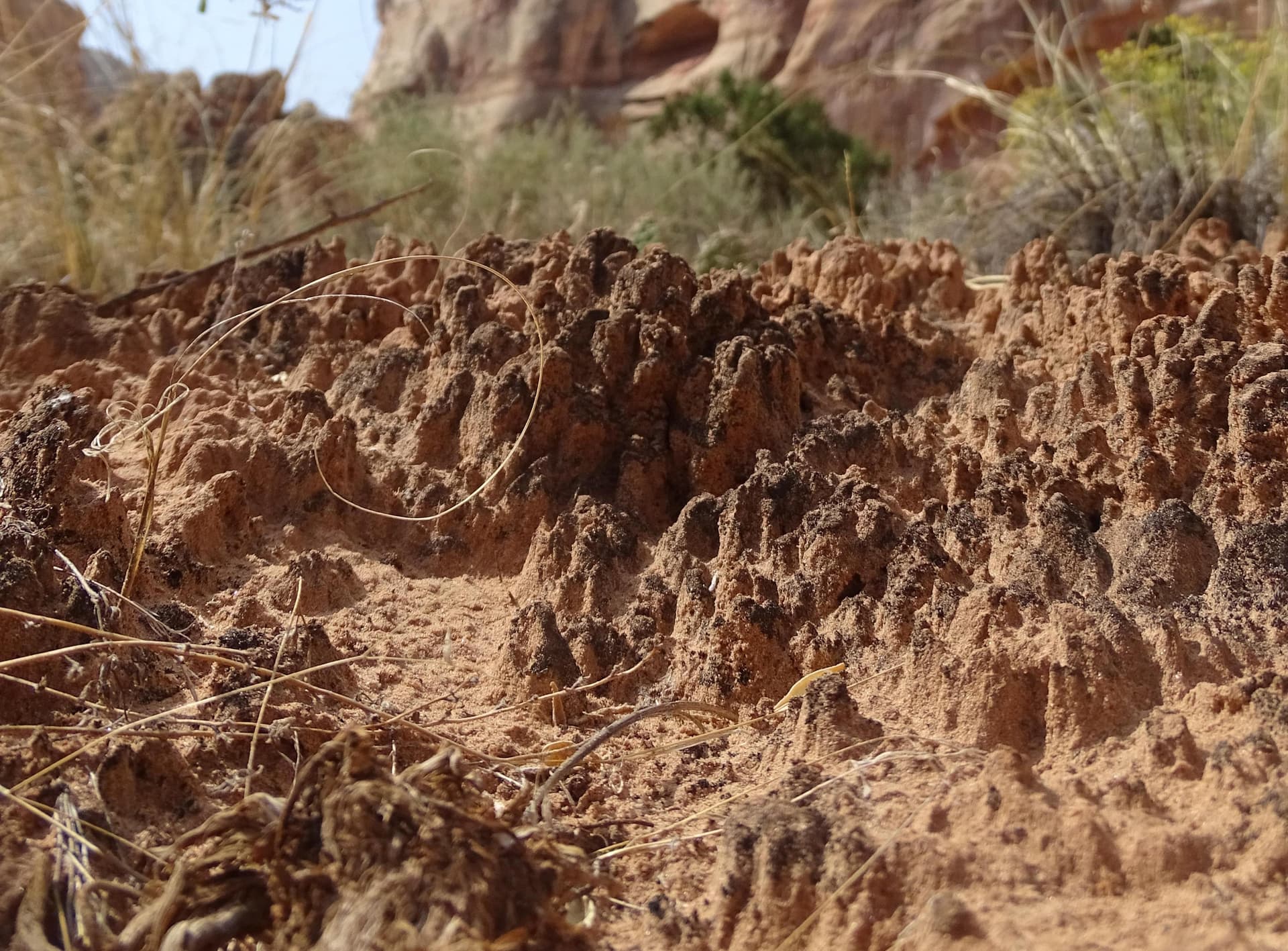
Step off trail in the Four Corners and you may not just leave a footprint, you may break a living skin that holds the desert together. Biological soil crust, often called cryptobiotic crust, is one of the most fragile parts of the Colorado Plateau, and the rule is simple: keep your boots, tires, and camp setup on durable surfaces. The payoff is immediate for anyone chasing overlooks, slickrock routes, dispersed camps, or photo pullouts across Capitol Reef, Arches, Canyonlands, and Natural Bridges.
What desert soil crust actually is
The desert floor is not bare dirt. Biological soil crust is a complex mosaic that can include cyanobacteria, algae, lichens, mosses, fungi, and bacteria, all living together on and in the soil surface. Across southeast Utah and much of the Colorado Plateau, that crust helps shape how the land works, from how water moves after a storm to how much loose sediment ends up blowing across a wash or trail.
Biocrust organisms form the dominant land cover in many drylands and are crucial for increasing soil stability and reducing erosion. These crusts stabilize soil, reduce or eliminate water and wind erosion, and help maintain water and nutrient cycles in arid and semi-arid ecosystems. In plain terms, the crust is part of the infrastructure that keeps the ground in place.
Why one footprint matters so much
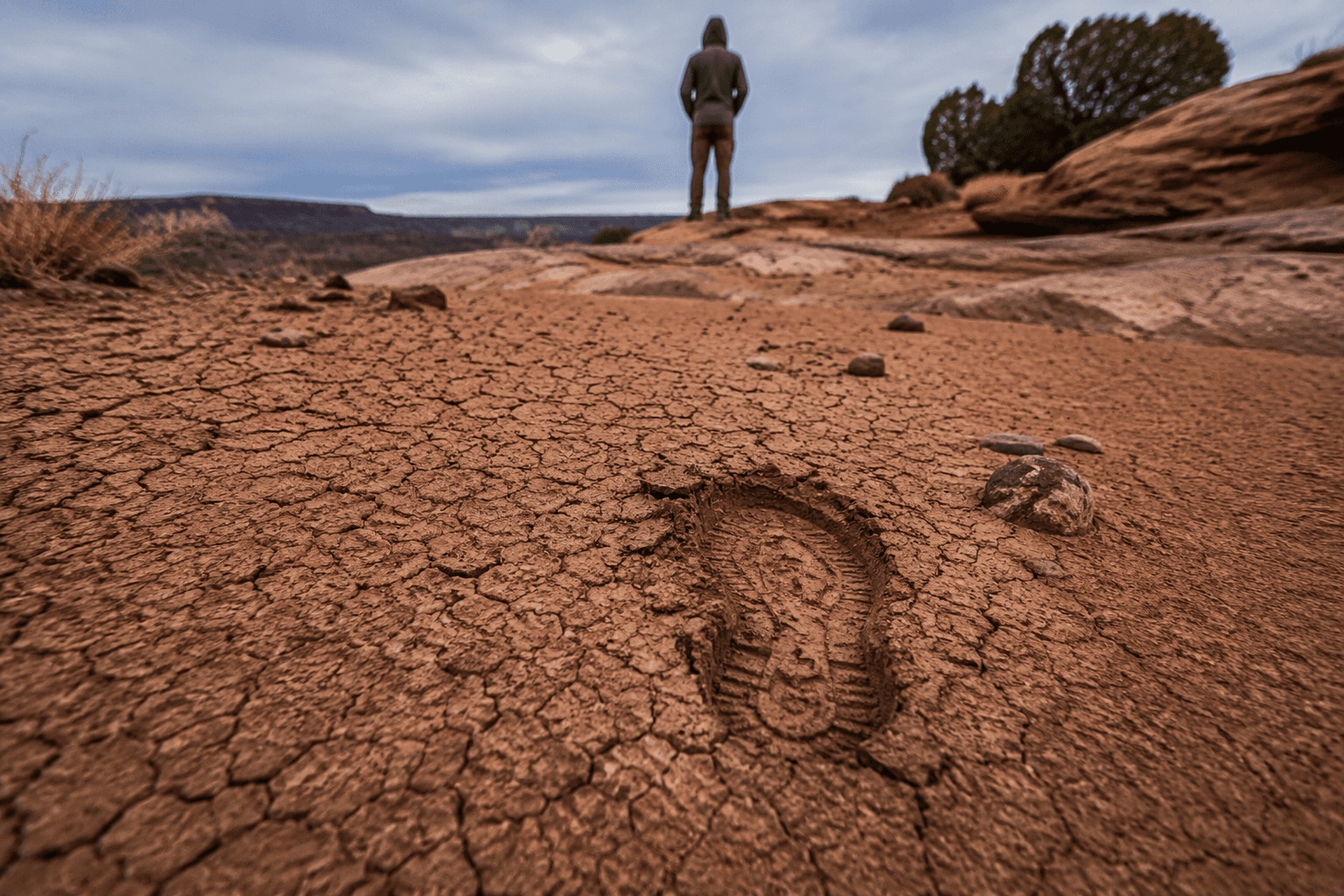
This is where the desert surprises a lot of visitors. What looks like a harmless shortcut, a quick photo stop, or a place to set down a pack can crush the crust and leave soil loose, exposed, and easier to erode. These crusts can take centuries to grow and can be damaged by a single footprint.
That fragility changes how adventure travel works on the ground. Walking around mud, stepping off a slickrock route to get a better angle, or pulling a vehicle onto an unmarked shoulder can all spread the impact. Once the crust breaks, wind and runoff can do the rest, widening the disturbance well beyond the original track or footprint.
How recovery really works in the Colorado Plateau
Recovery is slow enough that the damage often outlasts the trip, the season, and sometimes the people who caused it. A 2023 study on the Colorado Plateau found that natural recovery depends heavily on disturbance scale, and that recovery slows as the disturbance gets larger. That means a small step-off and a vehicle track are not the same kind of harm, and a broader disturbed patch can take much longer to begin healing.
Older USDA and USGS synthesis material puts natural recovery of disturbed crusts at several years to several centuries depending on conditions and the kind of disturbance.
Where Four Corners travelers run into crust most often
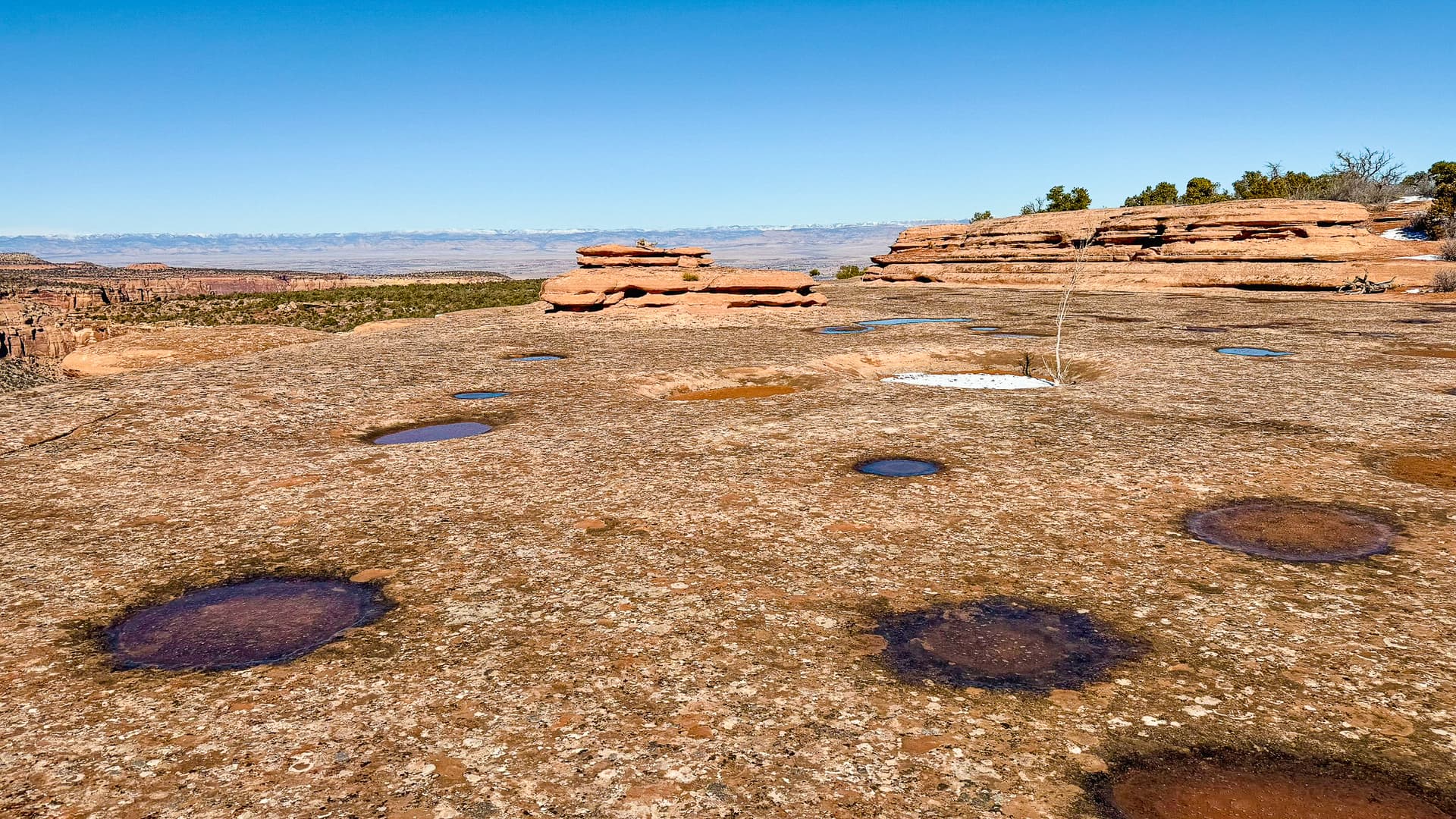
This issue shows up anywhere people leave established tread in the desert, but it is especially important on the Colorado Plateau and throughout southeast Utah. At Capitol Reef National Park and in broader National Park Service materials for the region, the message is the same. Leave No Trace guidance for Capitol Reef directs visitors to stay on durable surfaces and avoid damaging fragile desert soils.
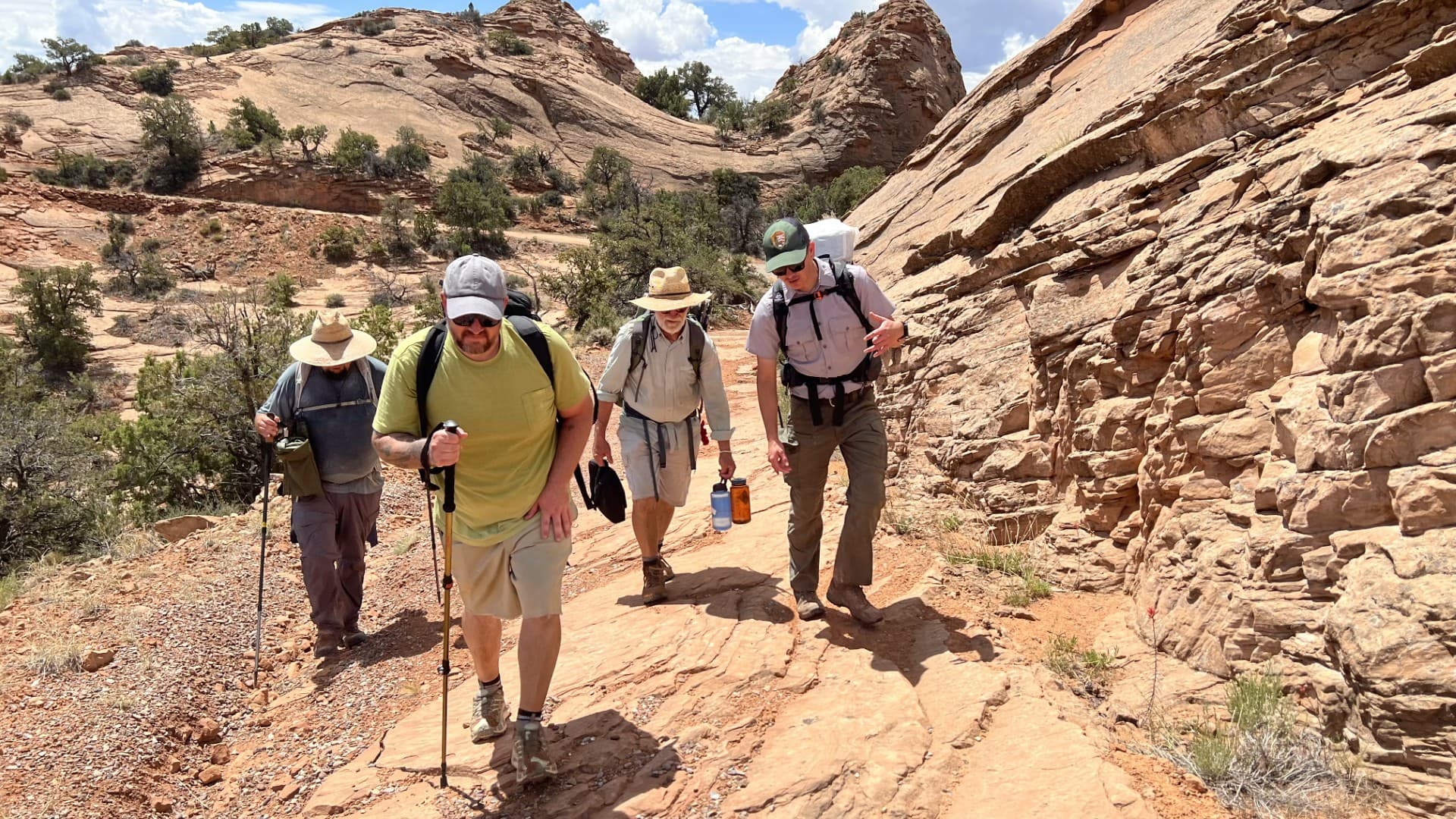
The advice applies just as clearly at Arches National Park, Canyonlands National Park, and Natural Bridges National Monument as it does in the backcountry outside Moab, Utah. If you are hiking, overlanding, dispersed camping, or stopping for a roadside overlook across Utah, Arizona, New Mexico, or Colorado, the same rule follows you: rock, sand, and established tread are fine; undisturbed crust is not.
How to travel without breaking the crust
A few habits make a big difference, especially on busy weekends when the temptation to wander is highest.
- Stay on rock, sand, or established trail tread whenever you move on foot.
- Do not drive on undisturbed desert surfaces, even for a short pull-off or lunch stop.
- Place tents, coolers, and camp chairs on durable ground rather than on living soil skin.
- Treat muddy patches and the ground around them as off-limits instead of finding a drier workaround.
- Avoid building new shortcuts to viewpoints, water sources, or scenic perches.
Those choices sound small because they are small in the moment. One person stepping around a trail pinch point, another vehicle cutting across a shoulder, and a third group setting camp just off a track can create a network of impacts that lasts far longer than any visit.
Why the message keeps coming from park agencies
The National Park Service has used Capitol Reef and other Colorado Plateau parks to teach this for years, because the lesson works best before the damage happens. Its Capitol Reef science page and broader educational articles on biological soil crust present the crust as a living feature visitors can protect with simple choices. The U.S. Geological Survey and USDA Forest Service back that up with the science of stability, erosion control, and water cycling.
This article was produced by Prism’s automated news system from verified source data, official records, and press releases, then run through automated quality and moderation checks before publishing. The system is built and supervised by the people who set the standards it runs under. Read our full AI policy.
Did this article answer your question?