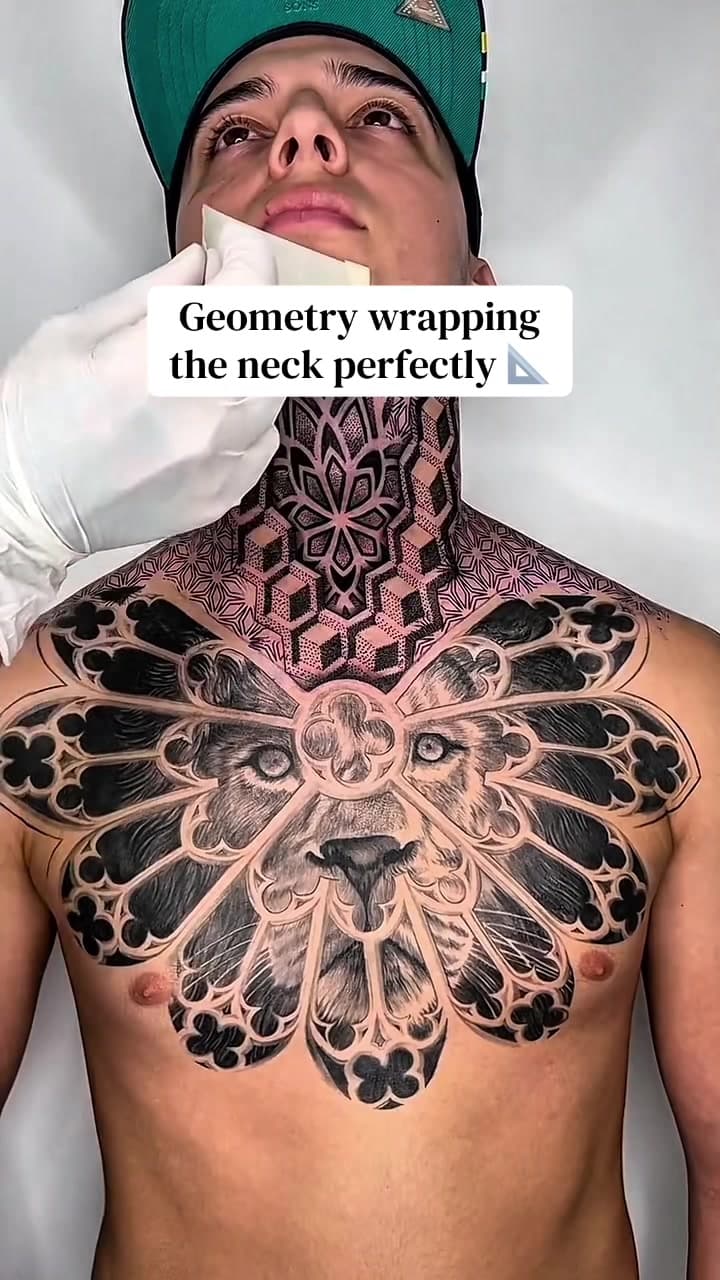
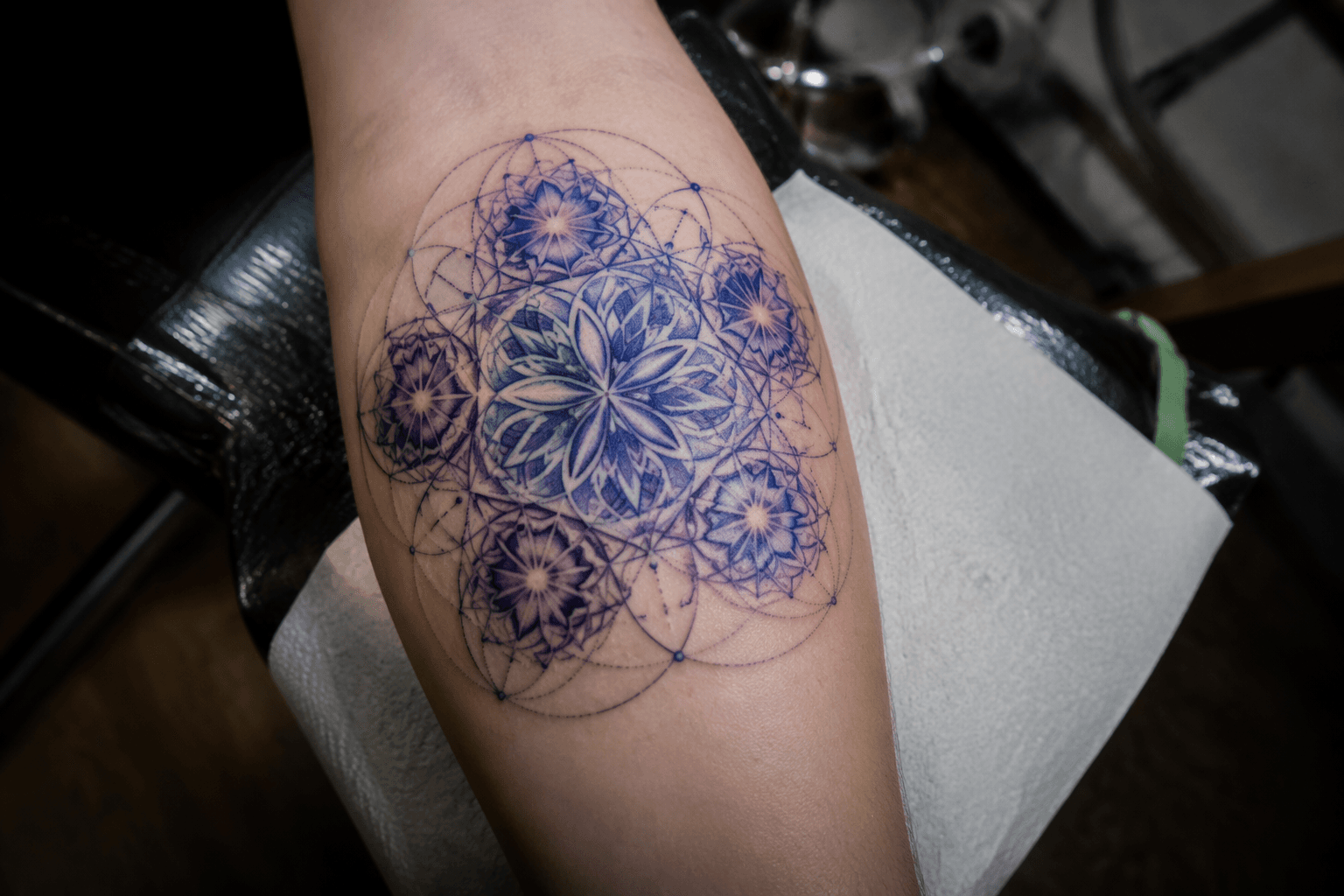
Amazigh symbols reveal the deeper meaning of geometric tattoos
Amazigh tattoos are not empty geometry. Their signs carry identity, protection, and memory across skin, cloth, pottery, and jewelry.
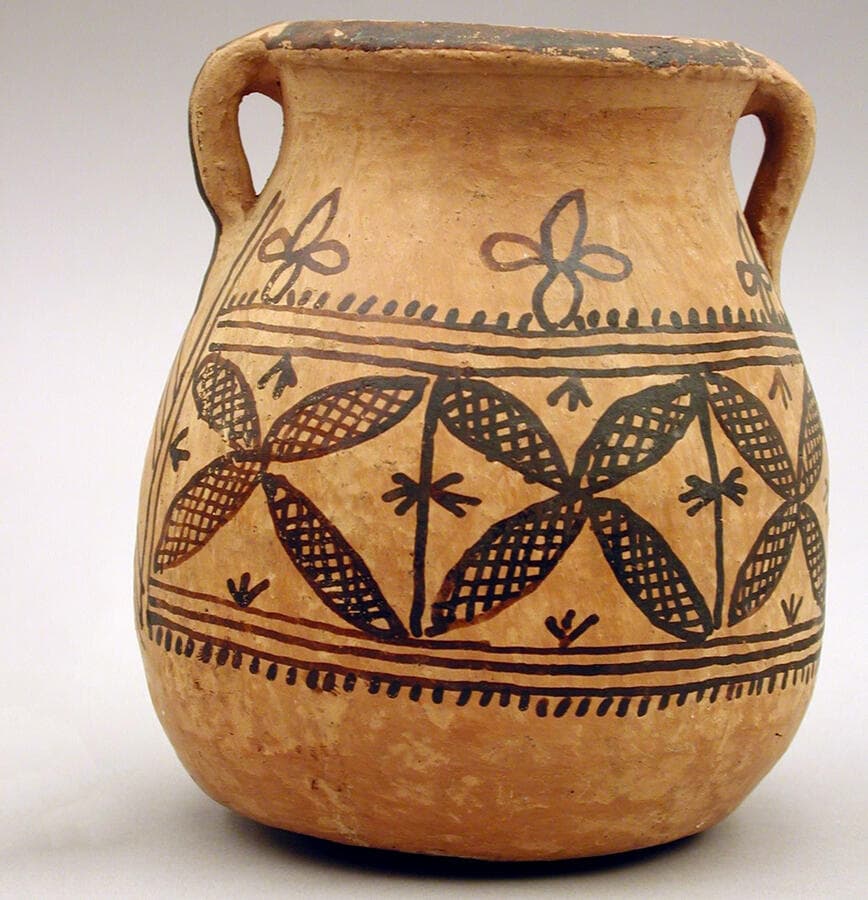
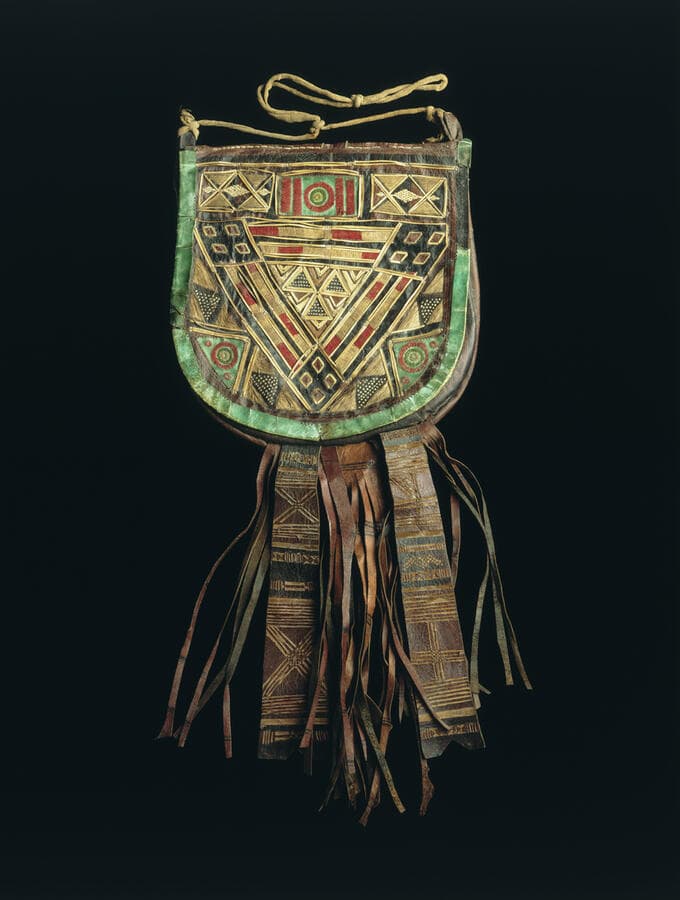
What looks like a clean geometric tattoo on the surface is often part of a much older visual grammar. In Amazigh culture, the same signs travel across textiles, pottery, jewelry, leatherwork, architecture, and tattoos, so the language is bigger than any single placement on skin. That shift matters: once you read these marks as symbols instead of decoration, the tattoo stops being style tourism and becomes a story about place, protection, and belonging.
A visual language with roots beyond tattooing
The Harvard Peabody Museum of Archaeology & Ethnology treats Amazigh geometric design as a core aesthetic system, not a side note. Its collection connects these forms to earlier generations of anthropologists who documented Amazigh arts, which gives the subject a long museum and scholarly trail rather than a recent trend cycle. That history makes the symbols easier to understand on their own terms: they were never only about looking balanced or minimal.
Some of the motifs also trace back to tifinagh, the ancient Berber alphabet. That detail changes how geometric tattooing reads, because a line, angle, or repeated shape may carry the logic of writing, sign-making, and inheritance at once. In Amazigh work, geometry is not abstraction for abstraction’s sake. It is a visual system built to be recognized.
The motifs people actually name
The Peabody Museum points to recurring forms that show up again and again: the star, tortoise, eye, shovel, and scissors. Those names matter, because they move the conversation away from vague “tribal” aesthetics and toward specific symbols with specific lives. A star is not just a star, and an eye is not just an eye when it appears inside a shared Amazigh symbolic vocabulary.
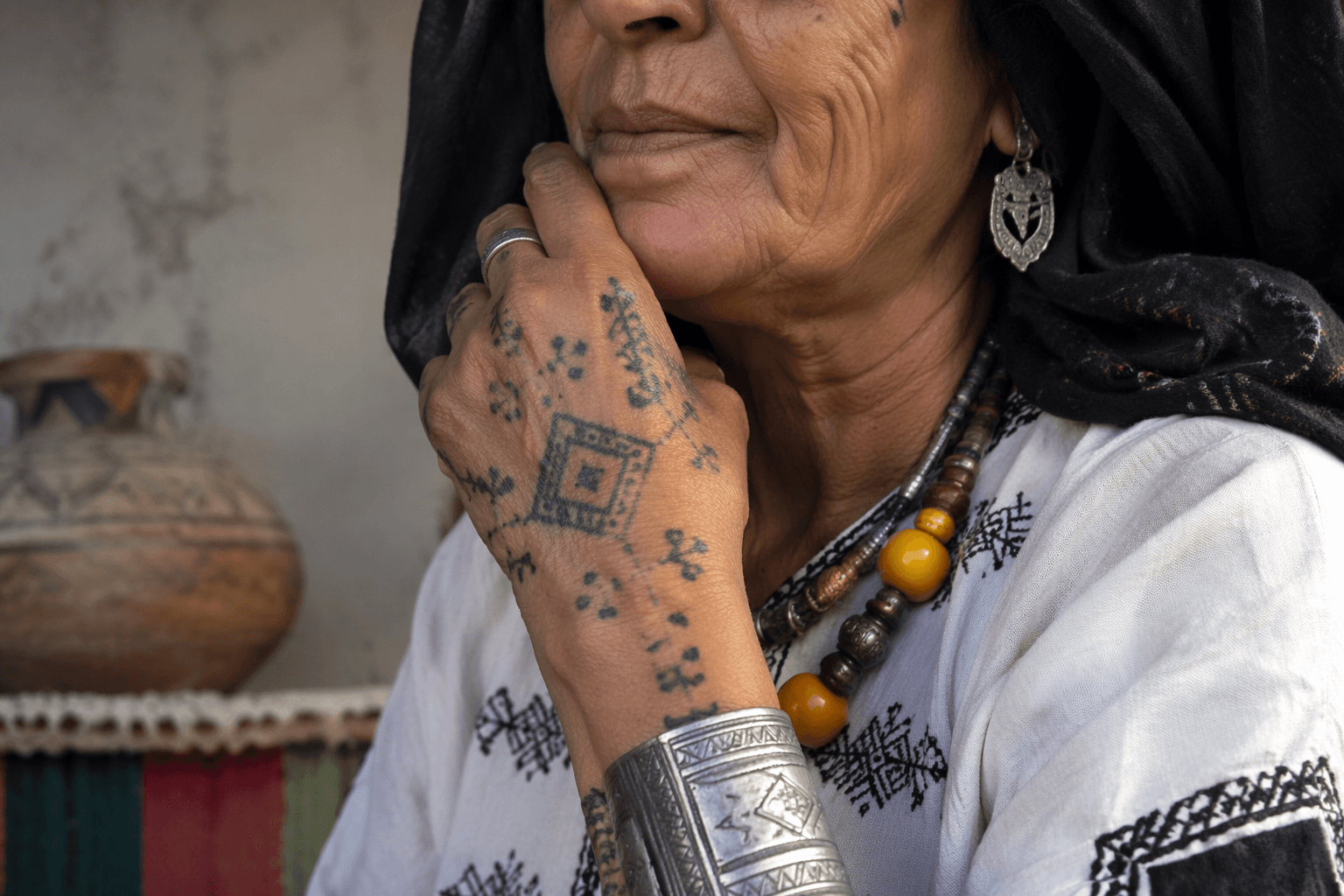
Among the most important protective symbols are the eye and the Hand of Fatima. The museum notes that both are used to ward off misfortune associated with the evil eye, which gives them a practical purpose inside the culture rather than a purely decorative one. In tattoo form, that protective role can be as important as the visual composition itself. Copying the shape without the meaning strips away the reason the motif exists.
The Peabody’s example from a pottery vessel in the Rif region of Morocco makes that point even more clearly. There, geometric designs symbolized plenty and also worked to ward off the evil eye. The same language moving from skin to clay shows how Amazigh motifs live across media, carrying both abundance and protection in one design system.
Why meaning changes from place to place
One of the most useful things the Peabody Museum says is also the most overlooked: Amazigh motifs do not have fixed meanings everywhere. Their significance varies by place and changes over time. That means a symbol can hold one layer of meaning in one region and a different resonance elsewhere, especially once it moves between generations or mediums.
This is where a lot of outsider interpretations go wrong. A geometric tattoo pulled from an image search can look “authentic” while missing the regional context that gives it force. The same shape might be a protective sign in one setting, a marker of plenty in another, or part of a broader inherited motif with several overlapping associations. Reading the symbol correctly means accepting that ambiguity instead of flattening it into a mood board.
Tattoos as identity, belonging, and resistance
A 2025 ASJP article on Amazigh tattoos frames body engravings as more than ornament. It describes them as historical, social, spiritual, and cultural markers of identity, belonging, protection, and resistance. That is a broad set of functions, but it fits what the museum material already shows: these marks sit inside a lived system of meaning, not a trend page.
The same study says tattoos marked important transitions in Amazigh history and society, and that their meanings can differ before and after Islam. That adds another layer of context for anyone reading the body art today. These are not frozen symbols from a single moment in time. They belong to a community whose visual language has adapted as beliefs, social structures, and identities changed.
A separate 2024 ASJP article reinforces that point by describing Amazigh symbols, including tattoo symbols, as inherited heritage that helps define Amazigh identity and culture. The word “inherited” does a lot of work there. It places the symbols inside continuity, where they are passed down, recognized, and understood as part of a cultural whole rather than invented anew for the tattoo chair.
The wider Amazigh world behind the marks
Britannica places Amazigh people among the descendants of North Africa’s pre-Arab inhabitants and notes their presence across Morocco, Algeria, Tunisia, Libya, Egypt, Mali, Niger, and Mauritania. That spread helps explain why no single reading can exhaust the meaning of these designs. The symbols live across a wide geographic world, not one neat national box.
Morocco is especially relevant here because the Peabody’s Rif example comes from northern Morocco, and because Tamazight became officially recognized there in 2011. That recognition matters beyond language policy. It reinforces the idea that Amazigh identity is not marginal folklore but a living cultural framework with public standing, spoken language, and visible art forms that continue to shape how people identify themselves.
How to read with respect, not just appetite
If you love geometric tattoos, the difference between appreciation and appropriation starts with literacy. A respectful approach means learning what a motif is called, what region it comes from, and whether it carries protective, social, or spiritual meaning. It also means understanding that the same form may not mean the same thing everywhere, even inside Amazigh culture.
What gets lost when these designs are copied only for their minimalist look is exactly what makes them powerful: the link to tifinagh, the names of the motifs, the protective role of the eye and Hand of Fatima, the Rif example of plenty, and the long inheritance connecting body art to textiles, pottery, and jewelry. Once those connections disappear, the tattoo becomes a shell. Read properly, though, Amazigh geometry is not empty space filled by style. It is a language that keeps speaking long after the ink dries.
This article was produced by Prism’s automated news system from verified source data, official records, and press releases, then run through automated quality and moderation checks before publishing. The system is built and supervised by the people who set the standards it runs under. Read our full AI policy.
Did this article answer your question?