Ink by Erin shows how pattern design shapes geometric tattoos
Erin’s reel shows that geometric sleeves are built on pattern design, multi-session planning, and careful intake, with a few 2026 projects still open.

Erin captioned the reel, “How I make pattern design work for my geometric tattoos.” The post becomes a practical look at how geometric sleeves get planned, paced, and wrapped around the arm.
Pattern design is the structure
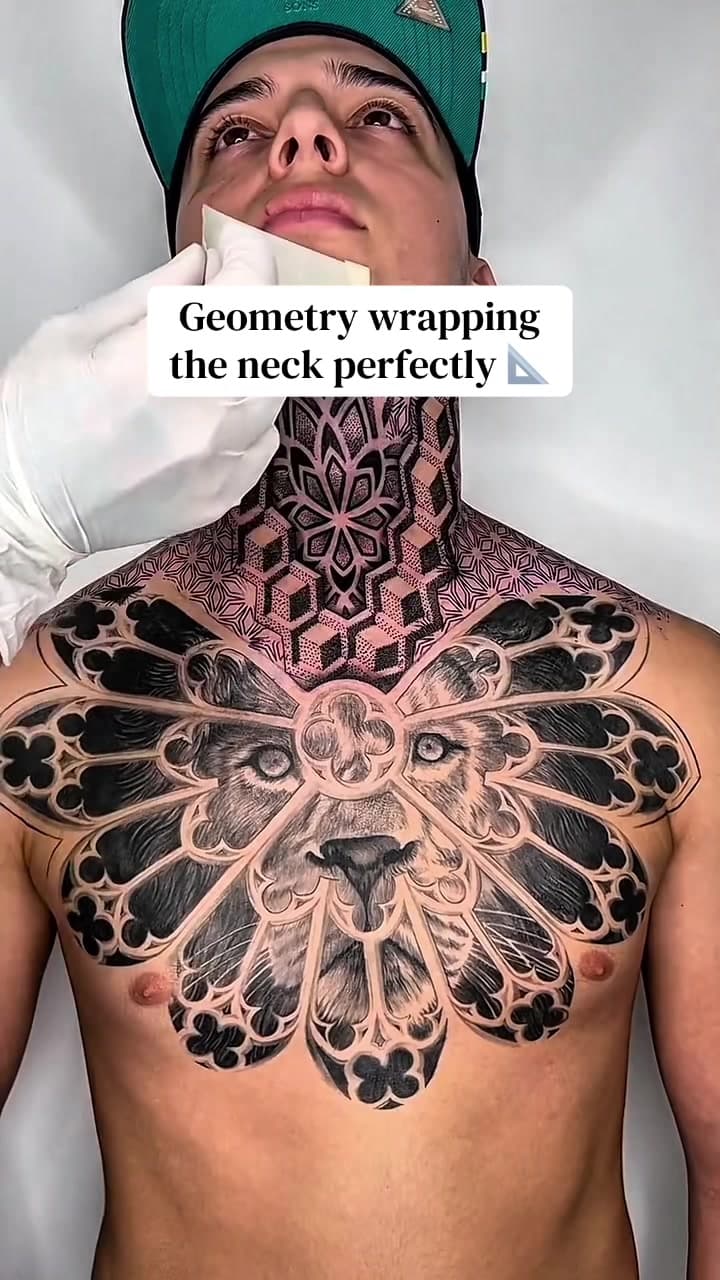
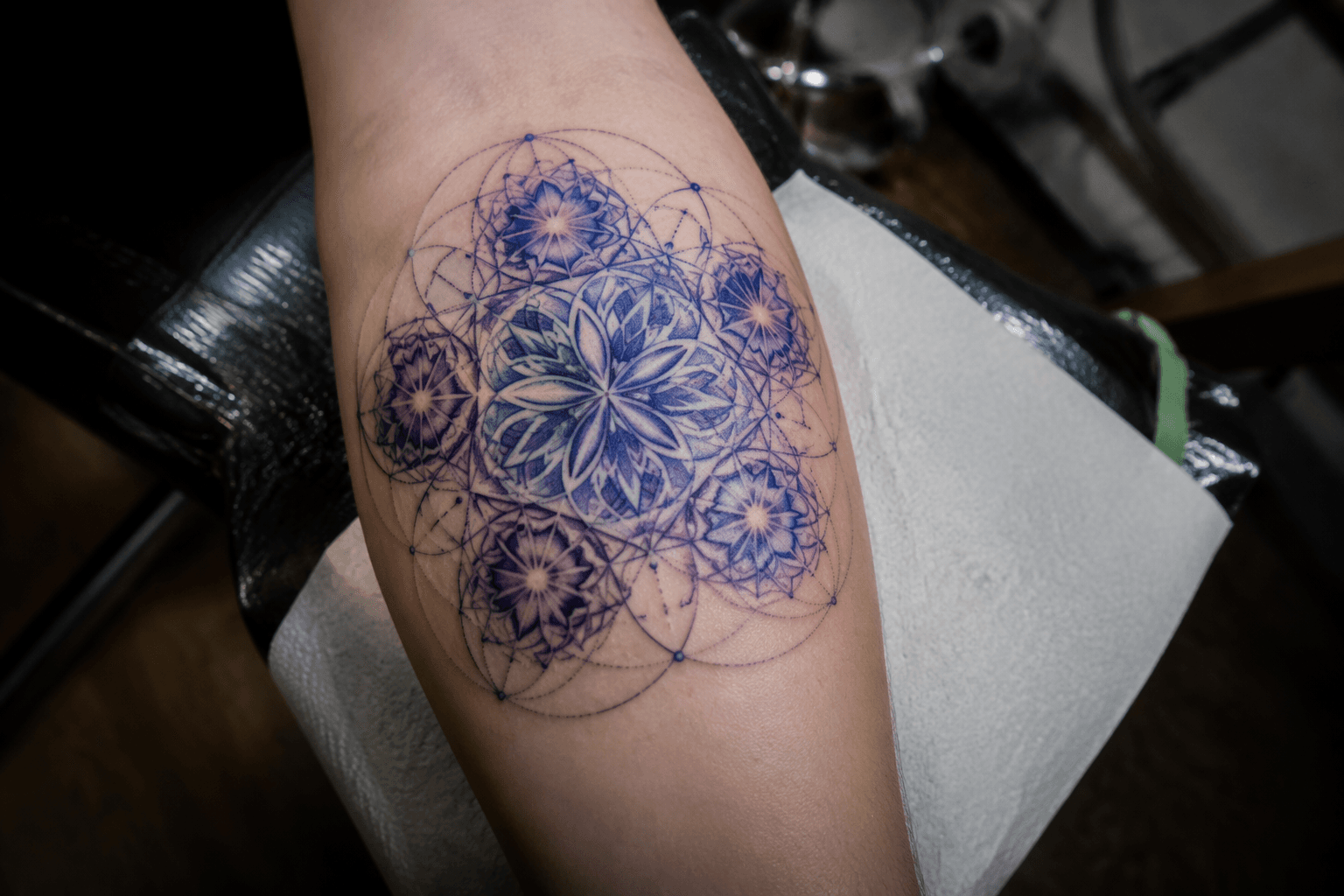
In geometric tattooing, “pattern design” is the real engine of the piece. Geometric tattooing is built from “precise shapes and intricate patterns.” CO:CREATE used that phrase in a June 16, 2024 guide, and that language fits the way Erin frames the work. A 2019 Inked video with Dillon Forte centers what goes into creating elaborate geometric tattoo work, while a 2025 Co:Create feature refers to artists finding “sacred patterns in nature’s mathematics.”
Sleeves are not isolated patches of geometry. They need repeating units, clean spacing, and transitions that let one section hand off to the next without breaking the rhythm of the arm. When Erin centers pattern design, the post points to the part clients often underestimate: the layout has to resolve on the body, not just on paper.
The sleeve has to follow the arm
The clearest practical lesson in Erin’s posts is that geometric work is built in relationship to anatomy. A sleeve has to account for the curve of the bicep, the taper of the forearm, and the way shapes will read when the arm bends and rotates. That is why the visual logic of a piece matters as much as the individual motif.
Erin’s other geometric posts show how varied that logic can be. One finished sleeve for Nick was completed over several sessions across the past 8 months. Another post shows a hexagon sleeve for Dan, where the first two shapes were tattooed with a bold red skull and geometric design, and another reel shows a geometric half sleeve in progress based on optical illusion art.
Large projects are planned, not rushed
The booking language around Erin’s work makes the schedule part of the story. The reel says there is room to start a couple more geometric sleeve projects in 2026, and another post says, “I’m looking to start a few new geometric sleeve projects in 2026!! Email: tattoos@inkbyerin.com.” A separate post says, “Now scheduling tattoos for February and March 2026.” That kind of wording is common in custom sleeve work because a geometric project is usually a long-term build, not a one-and-done appointment.
Eight months and several sessions is a practical reminder that large-scale geometry takes repetition, pacing, and adjustments as the tattoo grows.
Booking is part of the design process
Erin’s site positions the studio as offering “Custom-designed tattoos, crafted with care,” and identifies the focus as “black and gray, ornamental, and geometric tattoos” in Dayton, Ohio. The intake process is doing real work before the first line goes in. The reel invites people to submit a tattoo inquiry through the link in bio, and the search results also show an email address for booking, tattoos@inkbyerin.com.
That setup fits how geometric sleeves are usually built at the custom end of the market. Clients are not just picking a preset image, they are starting a design conversation that has to account for scale, placement, and how the final pattern will travel around the body. Some of Erin’s posts are tagged in Springboro, Ohio, while the studio is based in Dayton, Ohio.
The wider style keeps rewarding precision
Studios such as Omnia Tattoo Studio in Melbourne, Certified Tattoo Studios, and Monolith Studio in Brooklyn, New York, present geometric and sacred-geometry work as a major custom style.
This article was produced by Prism’s automated news system from verified source data, official records, and press releases, then run through automated quality and moderation checks before publishing. The system is built and supervised by the people who set the standards it runs under. Read our full AI policy.
Did this article answer your question?