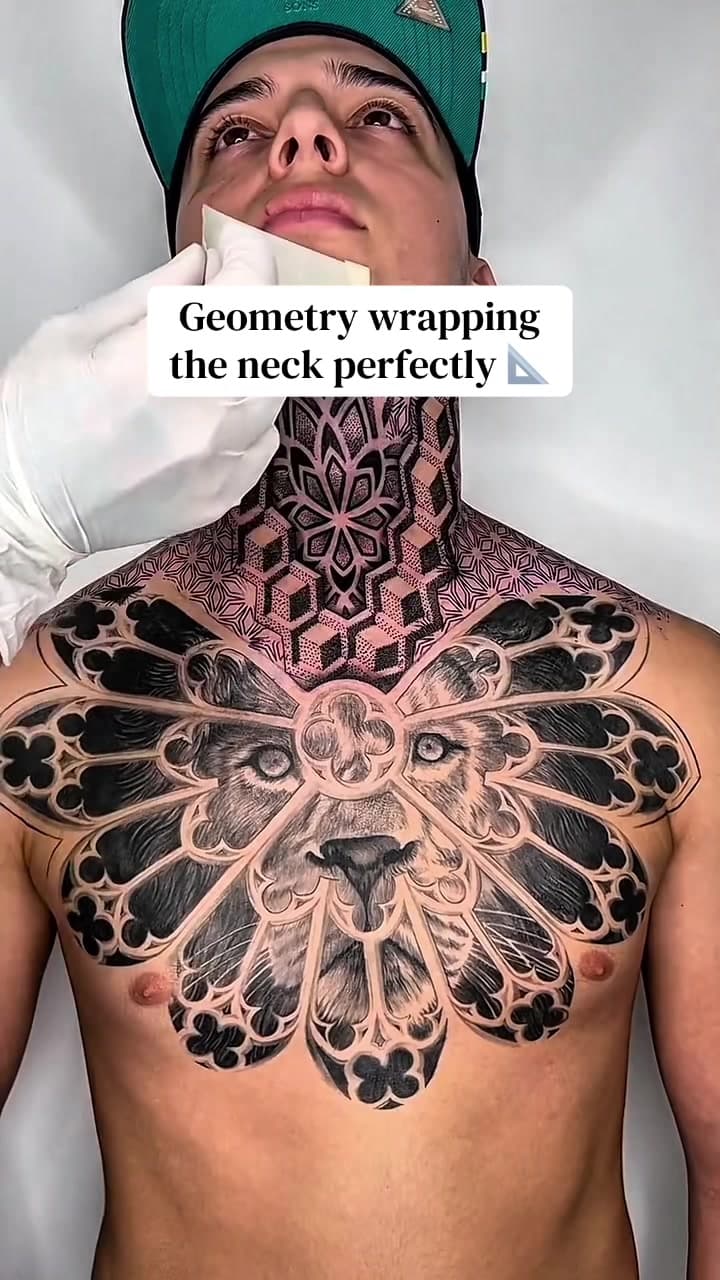
How to choose a geometric tattoo design you won’t regret
The smartest geometric tattoos are planned before the consult, with symmetry refs, placement limits, scale, and aging built in from the start.
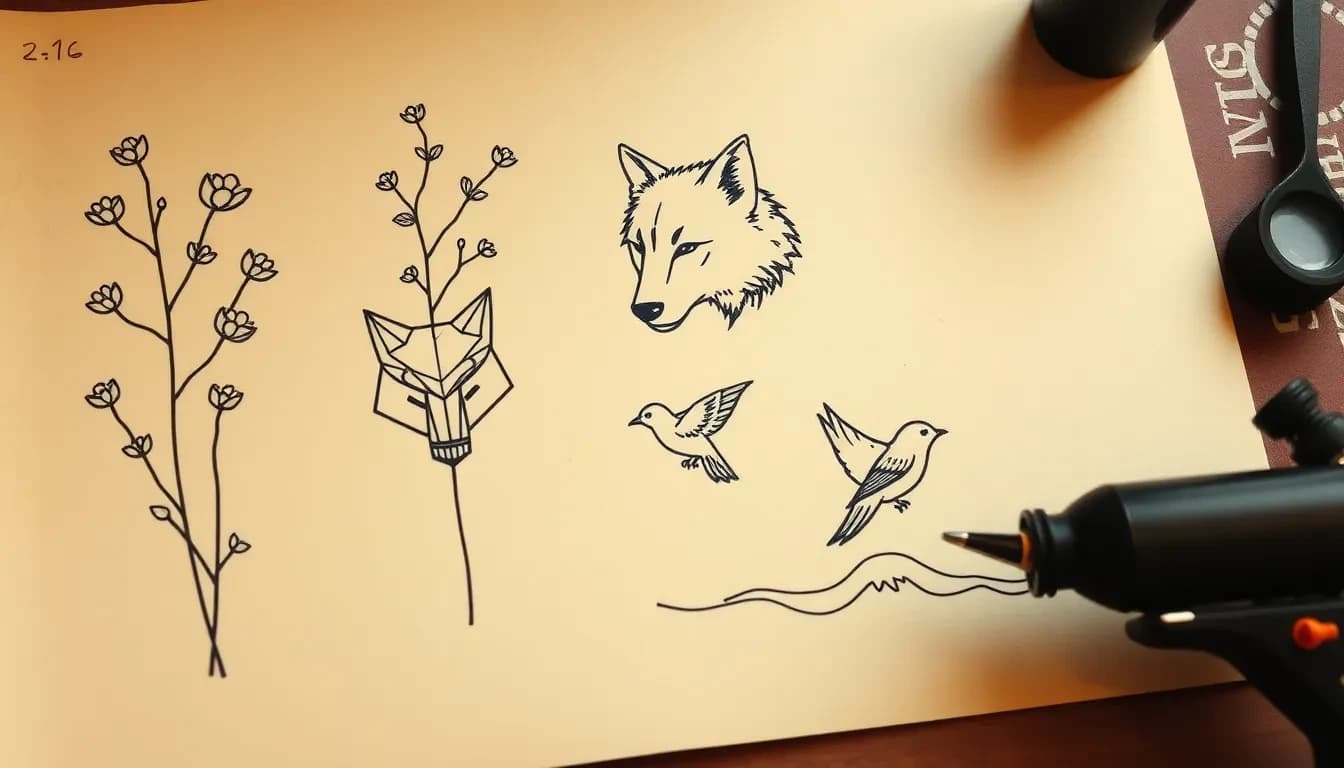
Most geometric-tattoo regret starts with vague ideas, shop-wall impulse, or a Pinterest image that never got translated to the body. Dream Pixel Forge’s July 17, 2026 guide centers on that point. If you want a piece that still reads clean years later, the work starts with structure.
Start with the style language, not the inspiration folder
The first mistake is treating every sharp-lined tattoo as the same thing. Geometric, minimalist, linework, dotwork, and sacred geometry each carry different visual rules, and those rules matter when you are asking an artist to build something precise. Learning the vocabulary before you book makes the conversation with your artist faster and less sloppy.
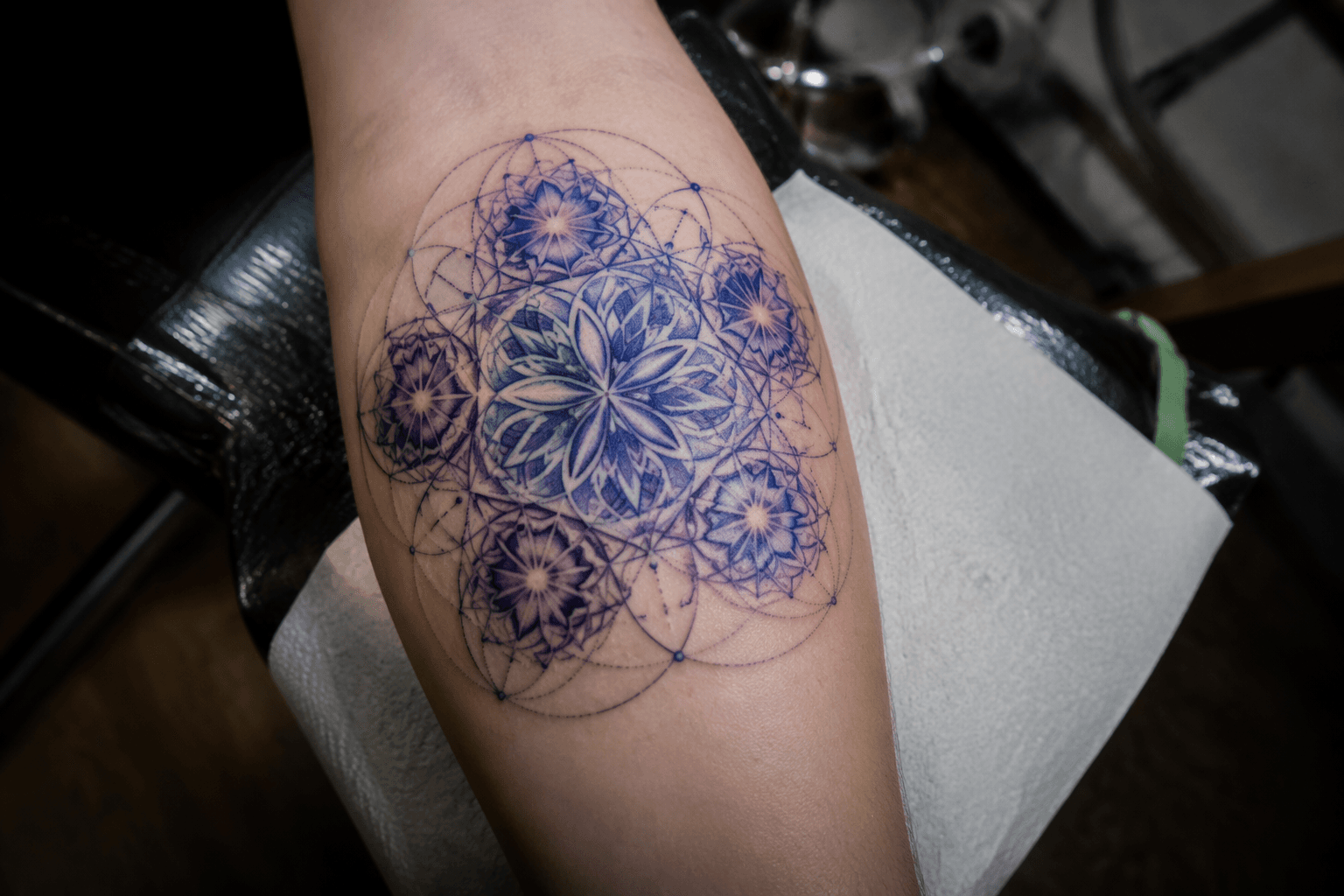
That distinction matters even more if you are drawn to sacred-geometry motifs. Business Insider published a 2015 piece on sacred geometry tattoos, and the advice still holds: understand the meaning and background before getting one when the design language includes Flower of Life structures, Metatron’s Cube, or a broader sacred pattern. Trendy geometry without context often looks generic once it leaves the feed and lands on skin.
Build symmetry before you build the tattoo
Geometric work lives or dies on balance. FK Irons’ 2022 video on the Geometrica app shows Chase Nolan, a dotwork and geometric specialist at Sunshine State Tattoo in South Florida, using the tool to make sure his designs are perfectly symmetrical. That is not a gimmick, it is a practical way to catch the tiny proportion problems that can make a mandala feel off or a repeating pattern look warped.
Belle Cherie’s guide on symmetrical and balanced tattoo design treats symmetry as a core quality of the finished piece, not just a visual extra. Before your consultation, bring references that show the exact kind of balance you want, whether that means mirrored sides, radial symmetry, or a design that flows around a central point. If you cannot explain the symmetry, your artist has to guess, and guessing is where geometric tattoos go sideways.

Decide where the design can actually live
Placement is not a later decision, it is part of the design itself. Inkjin’s consultation guide places that discussion in the tattoo consultation, where you meet the artist and explain what you want, not after the stencil is already printed. A design that looks elegant on a flat digital mockup can change fast once it has to follow a body curve, sit near a joint, or stay readable from across a room.
Inkjin recommends using AR preview tools to sanity-check size and placement before committing. You are looking for body flow, not just a nice image. A small proportion error can change the entire feel of a geometric piece, especially when line spacing and negative space are doing most of the visual work.
Think about scale like it is part of the linework
Scale is where people get trapped by screenshots. A design that looks crisp at phone size can become crowded, while a pattern that feels bold in a sketch may need more breathing room once it sits on skin. Dream Pixel Forge emphasizes previewing your own concept before booking an artist: build the tattoo at the size it will actually live, not the size it looked best in your camera roll.
This is also where 2026 trend language can distract you if you are not careful. Inkjin’s 2026 roundup includes AI-melded designs, botanical sleeves, and cyber fine-line patterns, while Allure and American Tattoo Society both point to custom, tech-assisted, and personal directions remaining central.

Design for aging, not just for the reveal
Detailed linework can be beautiful, but it needs room to age well. The more packed the geometry, the more important readability becomes over time, because crowded lines and overcomplicated spacing leave less margin for wear. Dream Pixel Forge’s 2026 guide keeps returning to long-term confidence: if the tattoo only works on day one, it is not really a finished design.
That is why the best geometric tattoo planning asks a hard question early: will this still make sense when the cleanest edges are no longer perfect? The answer usually depends on whether the design was built with enough structure, enough contrast, and enough restraint.
A pre-consultation checklist worth using
Before you sit down with an artist, make these decisions for yourself:
- Know whether you want geometric, dotwork, minimalist linework, or sacred geometry, and bring references that match that lane.
- Choose a symmetry style, such as mirrored, radial, or a design that balances around a central point.
- Decide where the tattoo has to fit and how much skin it can use without feeling cramped.
- Test the size in AR or another preview tool so placement and scale are not guessed.
- Keep aging in mind if the design relies on very fine linework or tightly packed detail.
- Bring the background or meaning if sacred geometry is part of the concept, especially if you are referencing Flower of Life or Metatron’s Cube.
This article was produced by Prism’s automated news system from verified source data, official records, and press releases, then run through automated quality and moderation checks before publishing. The system is built and supervised by the people who set the standards it runs under. Read our full AI policy.
Did this article answer your question?