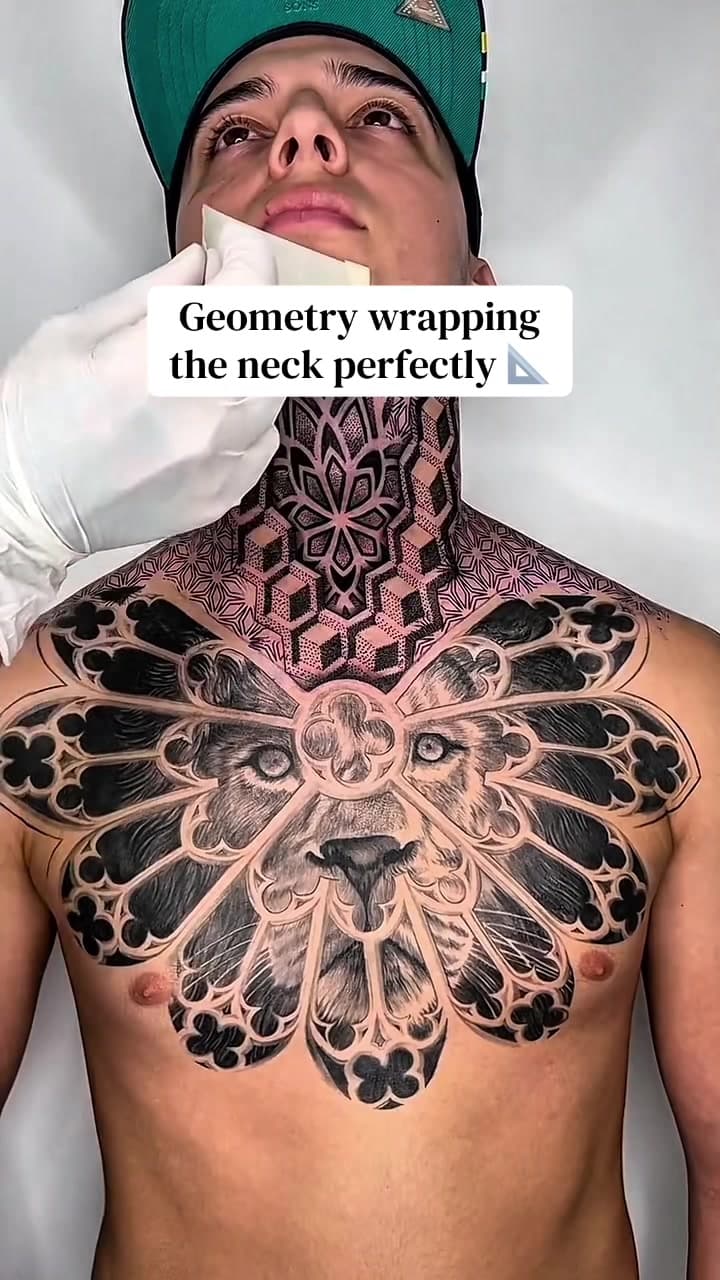
BigWasp guide highlights best tattoo cartridges for geometric dotwork work in 2026
BigWasp’s 2026 geometric and dotwork cartridge guide zeroes in on cleaner lines, tighter dot saturation, and fewer symmetry slips. It reflects a market moving hard toward style-specific buying advice.
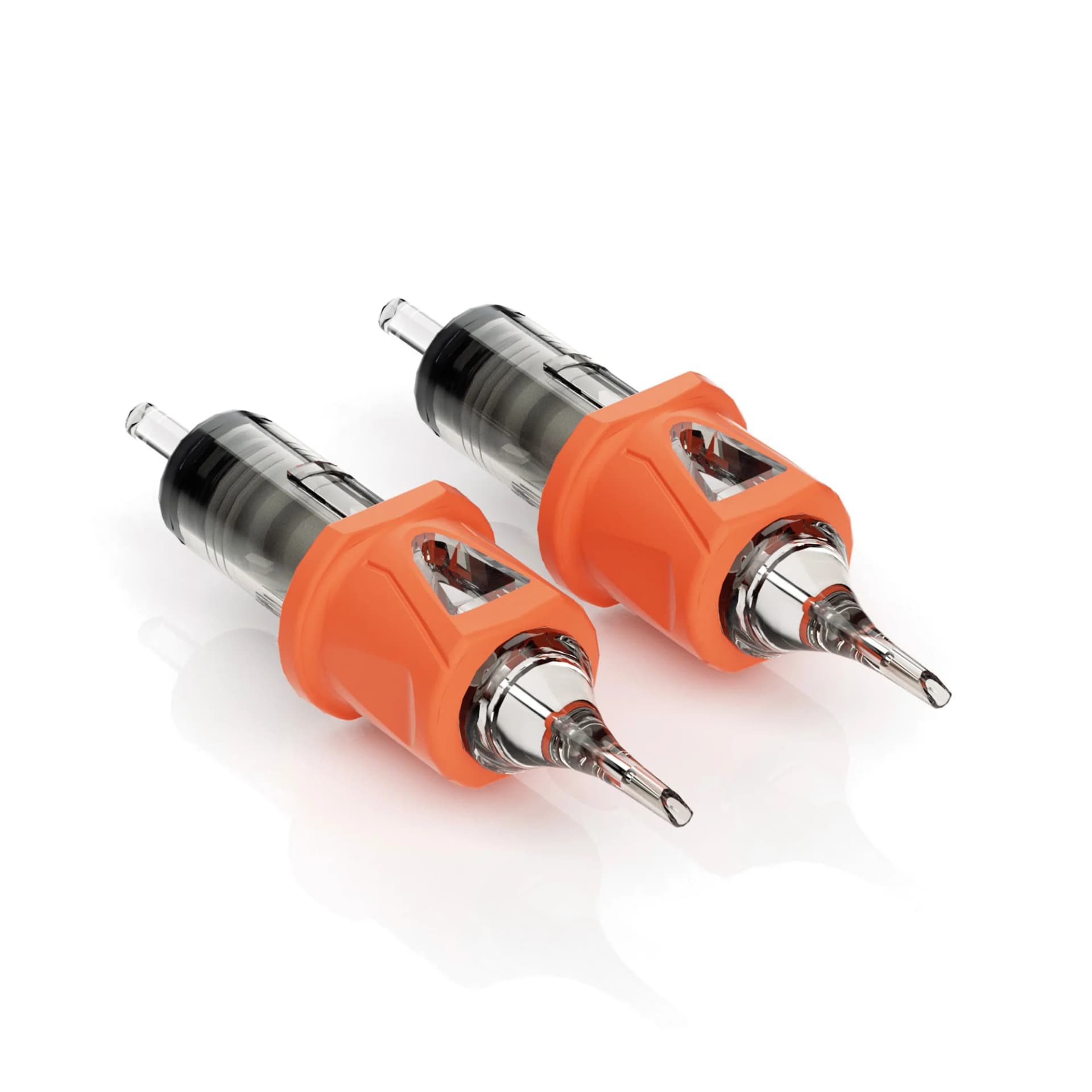
A hexagonal lattice or centered mandala shows drift immediately when a cartridge stops running clean. BigWasp’s new guide, titled “Best Tattoo Cartridges for Geometric & Dotwork 2026,” centers on needle control, line consistency, and dot density because in this style they determine the whole outcome.
Why this guide matters for geometric work
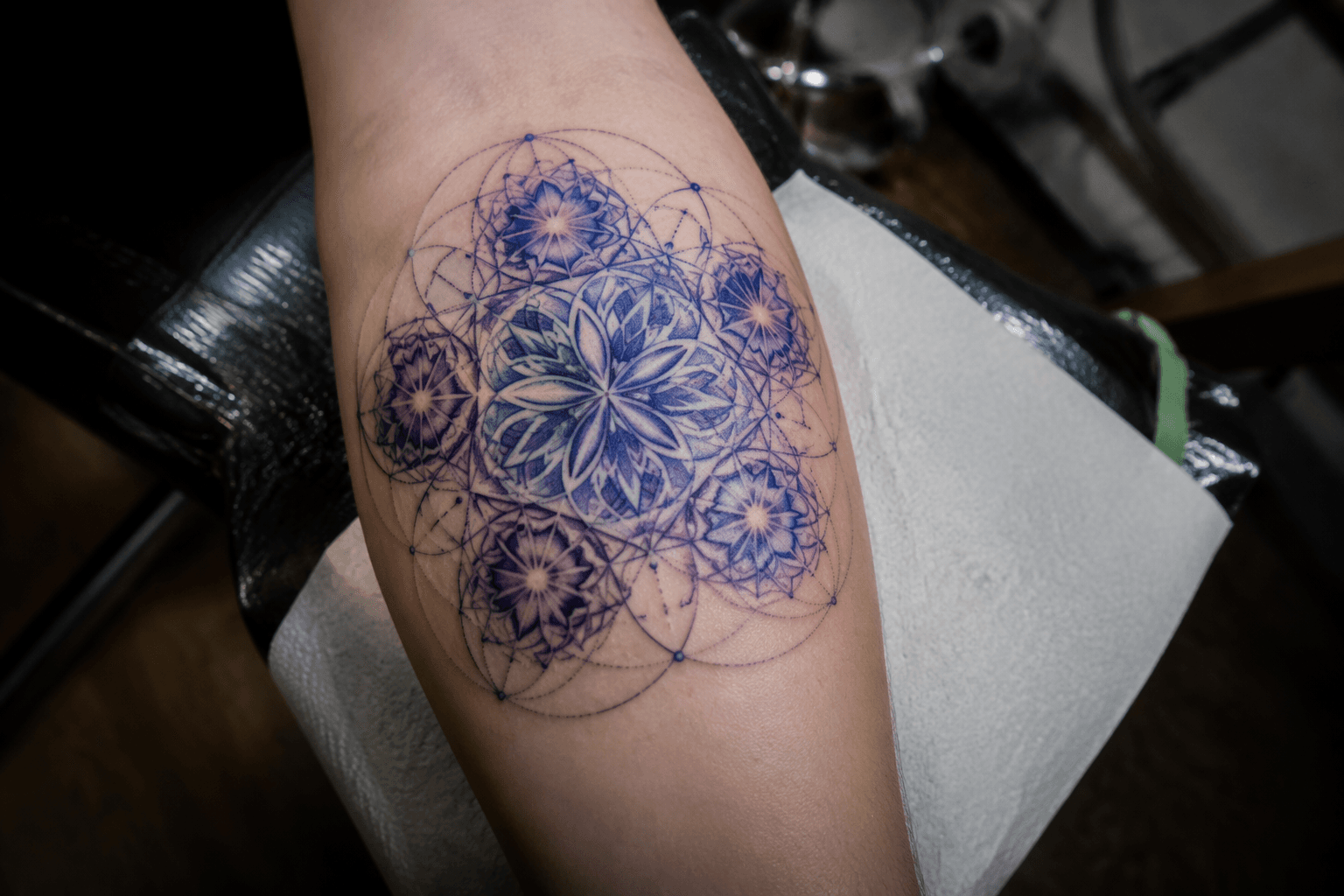
Geometric tattoos live or die on hard edges, uniform line weight, and repeatable symmetry. A cartridge that runs unevenly can turn a hexagonal lattice or sacred-geometry panel into a pattern with visible drift, and those errors are the kind that stand out immediately because the eye has nowhere to hide them. BigWasp treats geometric and dotwork cartridges as central to the final read of the tattoo, not a side variable beside the artist’s hand.
That same logic applies to stencil placement and flow across the body. When a pattern has to stay mirrored, centered, or evenly spaced, a cartridge that feels inconsistent can force extra correction in the session and raise the odds of touch-up work later.
Dotwork puts the cartridge under a different kind of pressure
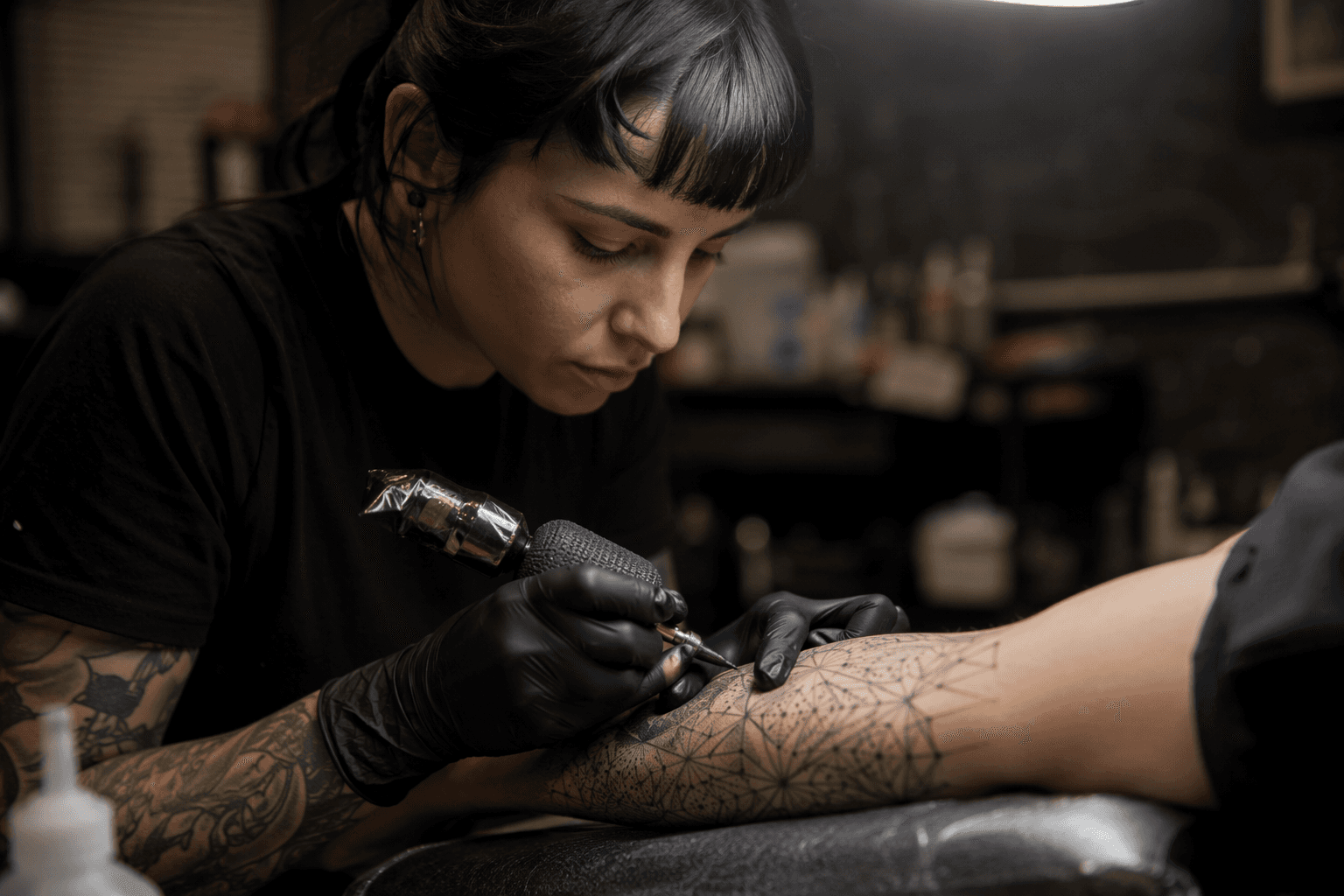
Dotwork asks for controlled stipple density, steady spacing, and ink delivery that stays even across larger compositions. If the cartridge saturates too aggressively, dots can clump and flatten the texture; if it runs too lightly, the pattern can look patchy and uneven. The guide targets that technical problem: a steady cartridge keeps the field of dots readable instead of muddy.
In pieces built from repeated micro-elements, a dotwork background, a halo around a mandala, or the shading inside a geometric frame all depend on a cartridge that helps preserve rhythm from the first cluster of dots to the last. Better control here reduces the chance that the artist has to overwork an area to correct inconsistency, which can slow the session and complicate healing.
BigWasp is building a style-specific cartridge library
The geometric and dotwork page does not sit alone. BigWasp also has 2026 cartridge guides for long studio sessions, fine line work, portraits and realism, and budget cartridges, plus a separate “Ultimate Tattoo Cartridge Guide” in its Learning Center. Together, those pages treat cartridge selection as a style-dependent decision rather than a one-size-fits-all purchase.
Geometric work overlaps with fine-line precision but still demands different handling than portrait or realism work. A cartridge built to hold up during long sessions may help with endurance, while a fine-line cartridge may help with micro-line precision, but geometric and dotwork work asks for both control and repeatability. BigWasp splits those categories into multiple style-led guides.
The broader market is moving the same way
BigWasp is not alone in narrowing the lens. Bronc Tattoo has a 2026 guide titled “Best Tattoo Machine for Dotwork and Geometric Tattoos 2026.” Even the machine category is being segmented around this style. Painful Pleasures, Barber DTS, Killer Ink Tattoo, and Tattoo Clues also have related 2026 cartridge and needle buying-guide content.
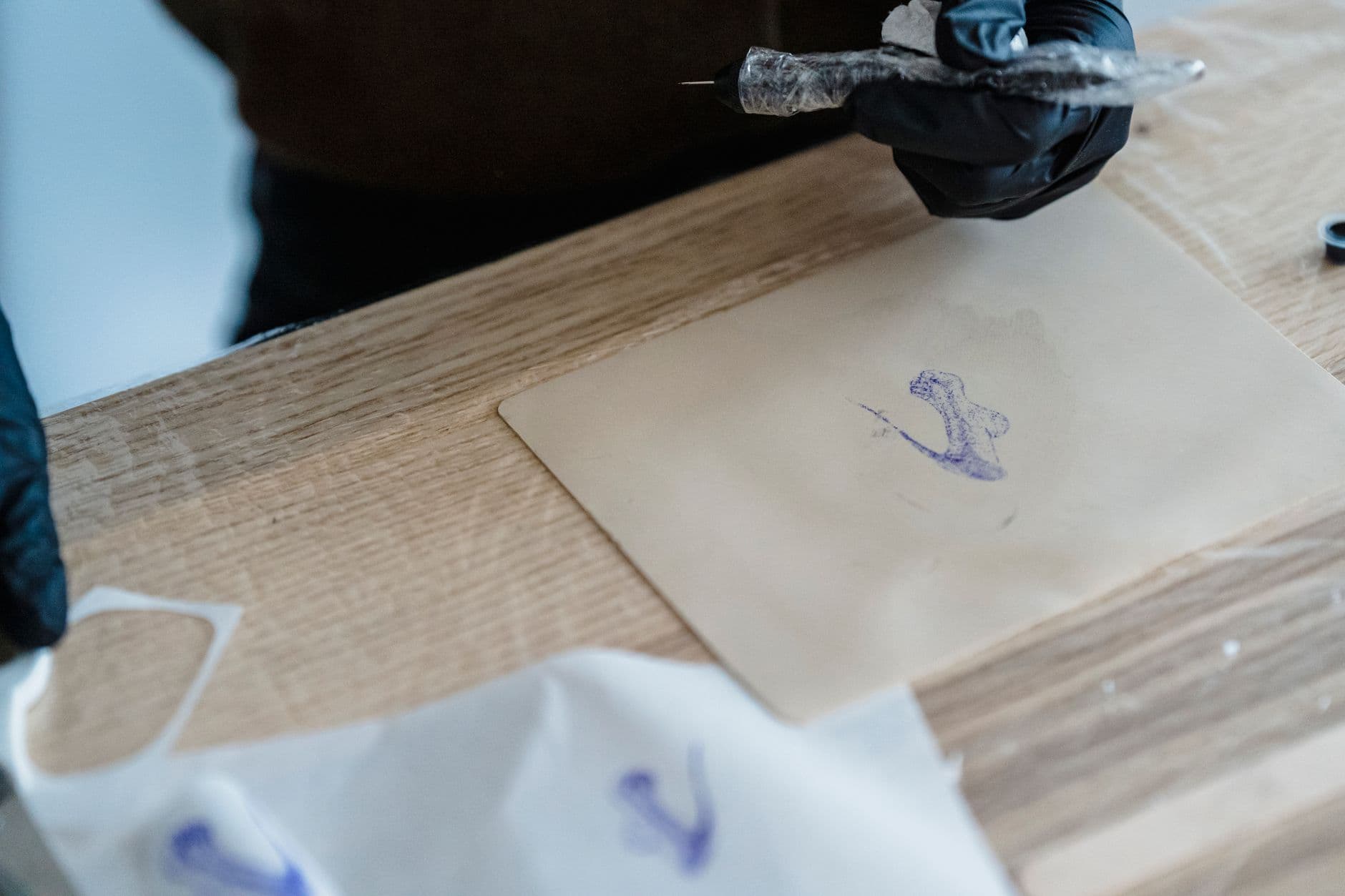
Suppliers and review sites are increasingly speaking to specific workflows: geometric symmetry, dotwork saturation, fine-line precision, and long-session endurance. For studios, purchasing decisions are becoming more technical and more tied to the kind of work that fills the books.
What this means in the chair
A cleaner-running cartridge supports sharper line consistency, tighter dot saturation, and fewer symmetry-breaking mistakes, especially when the composition depends on repeated geometry that the eye can compare from one side to the other. It also improves session efficiency by reducing the need to stop and compensate for uneven needle behavior.
This article was produced by Prism’s automated news system from verified source data, official records, and press releases, then run through automated quality and moderation checks before publishing. The system is built and supervised by the people who set the standards it runs under. Read our full AI policy.
Did this article answer your question?