Fotona StarWalker PICO Pro Wins Top Laser Award, Advancing Tattoo Removal Technology
Fotona's StarWalker PICO Pro won "Best Laser" at Monaco's AMWC awards, with photoacoustic tech that clears black geometric ink in roughly half the sessions of older lasers.

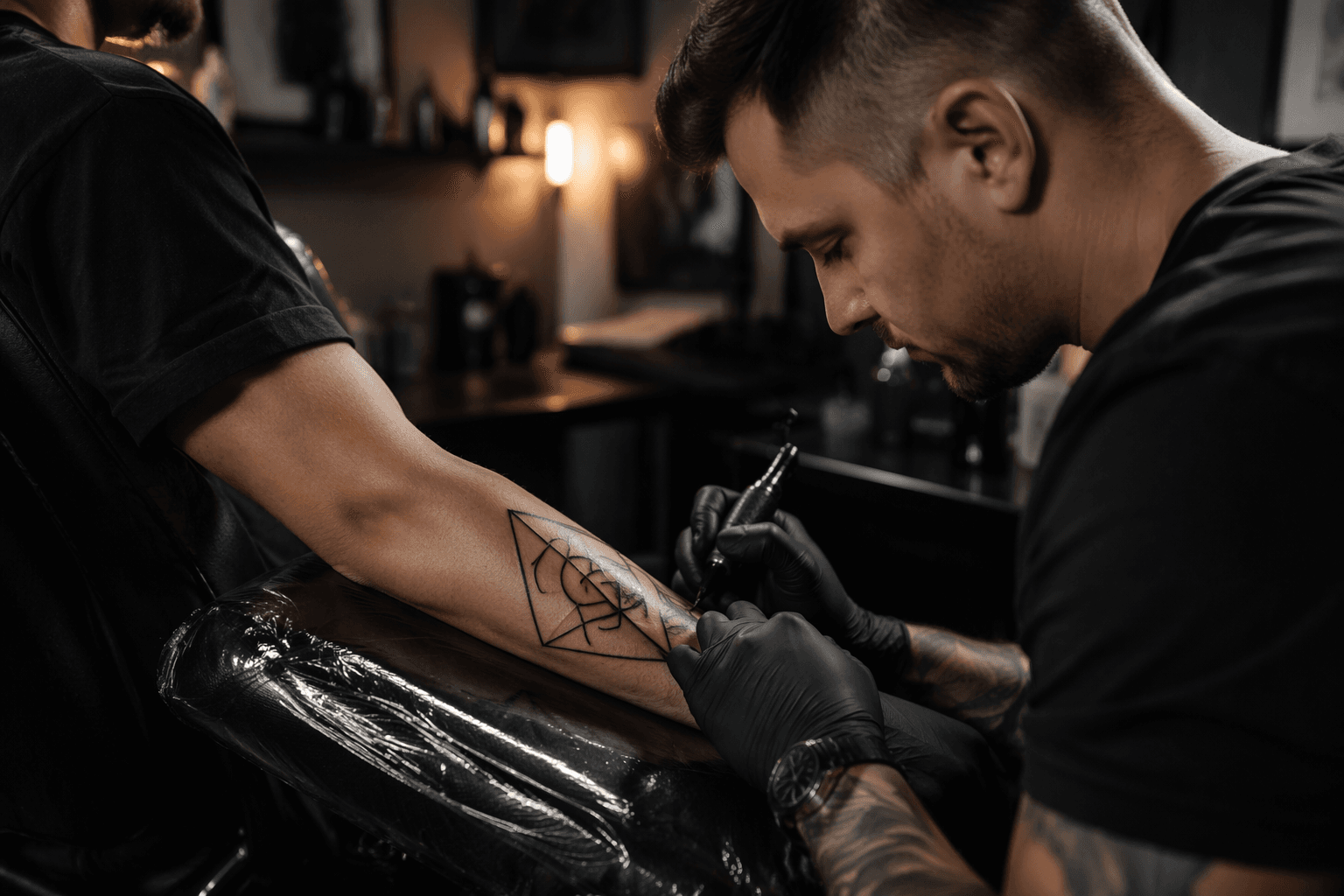
Fotona's StarWalker PICO Pro picked up the "Best Laser, Light & Energy-Based Device" award at the AMWC Aesthetic Medicine Awards in Monaco, and the technology behind the prize matters specifically to anyone carrying dense black geometric ink they'd like to correct, cover, or remove.
The Slovenia-based medical laser company announced the win on March 27, citing the device's picosecond pulse architecture, Adaptive Structured Pulse (ASP) technology, and multi-wavelength capability. Fotona described the system as built to "deliver ultra-short pulse durations and high peak power," enabling photoacoustic effects that fragment embedded ink particles through mechanical shock waves rather than heat. The practical difference for skin: less collateral thermal damage to surrounding tissue, which matters most for anyone planning to re-tattoo a cleared site with precise geometric lines.
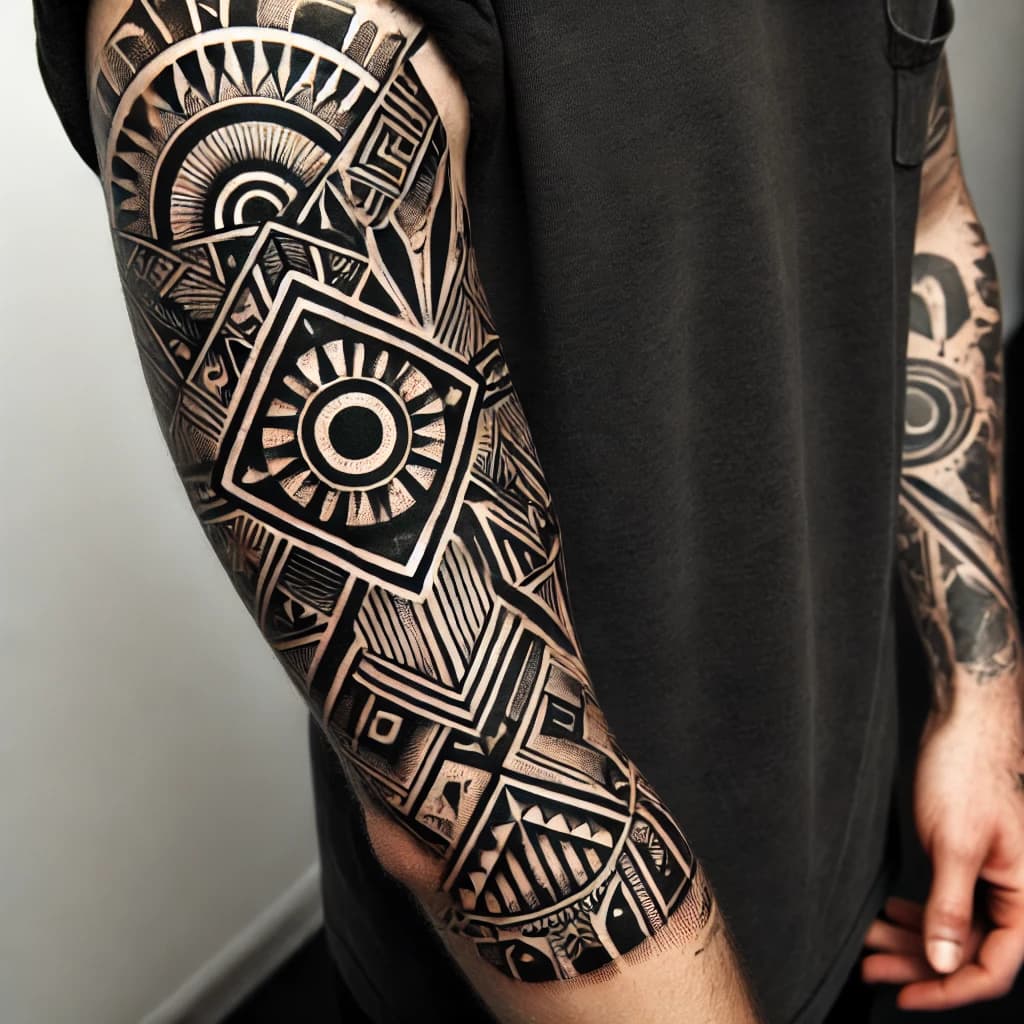
Here is the benchmark worth sharing: black ink, the dominant pigment in linework, mandala compositions, and dotwork, is actually the most laser-responsive color there is. Because carbon-based black absorbs across multiple wavelengths, it typically clears in six to ten sessions with a picosecond device. Peer-reviewed dermatology literature has found picosecond systems more than twice as effective as older Q-switched nanosecond lasers for black ink specifically, cutting the session count roughly in half compared to what the previous generation required. Color tattoos are an entirely different calculation. Greens, blues, and light yellows each require targeted wavelengths and considerably more treatments, which is why the StarWalker PICO Pro's multi-wavelength capability is meaningful for multi-color geometric work rather than purely academic.
Cost for pico laser sessions typically runs $200 to $700 per session for smaller pieces, meaning a fist-sized composition clearing in eight sessions can represent a $1,600 to $5,600 commitment before skin is ready for new work.

Dense blackwork and dotwork present distinct clinical challenges even with next-generation equipment. Highly saturated fills and tightly packed dot clusters can react unpredictably to high-energy pulses, with blistering and pigment trapping among the more common adverse outcomes when sessions are rushed or operators lack experience with high-density work. For clients intending to re-tattoo over a cleared site, hypopigmentation poses the most specific threat to geometric aesthetics. The melanin lightening that aggressive laser passes can cause is not always reversible, and hypopigmented skin disrupts the optical uniformity that crisp linework and symmetrical geometry depend on.
Practitioners at established removal clinics advise the same pre-treatment framework: request a conservative test spot on a non-focal section of the piece before committing to full sessions; confirm the operator has hands-on experience with high-density blackwork rather than decorative or fine-line cosmetic tattoos; schedule a minimum six-to-eight-week healing window between sessions; and, if re-tattooing is the end goal, loop in the incoming artist before the first laser appointment. A removal provider and a tattoo artist with shared knowledge of the plan will set far cleaner expectations on both sides of the process.
The AMWC award is a clinical validation of where pico laser technology stands heading into 2026. For the geometric community, it signals that the infrastructure for precise, color-versatile removal is maturing in ways that make ambitious corrections and cover-up redesigns more viable than they were even three years ago.
This article was produced by Prism’s automated news system from verified source data, official records, and press releases, then run through automated quality and moderation checks before publishing. The system is built and supervised by the people who set the standards it runs under. Read our full AI policy.
Did this article answer your question?