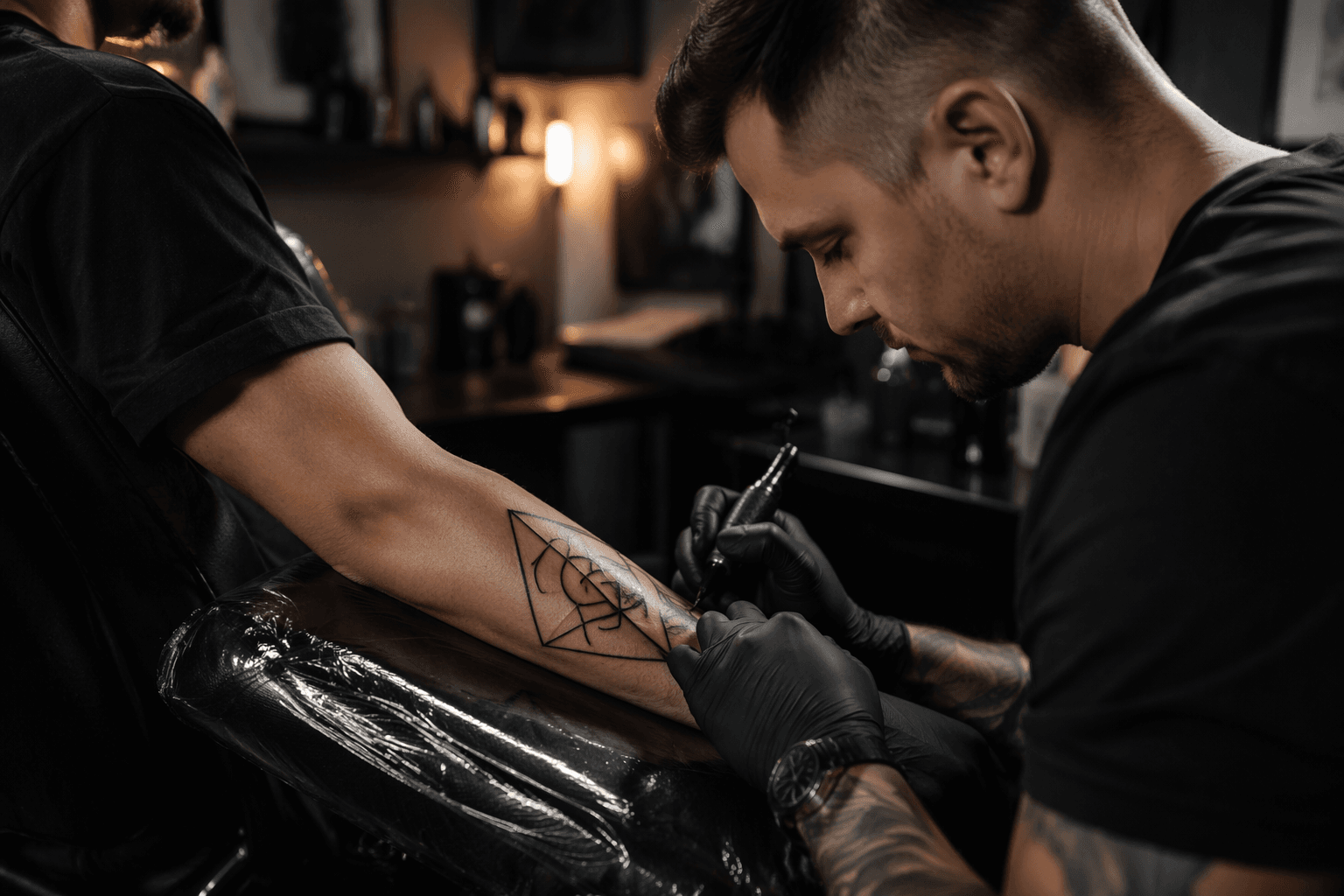
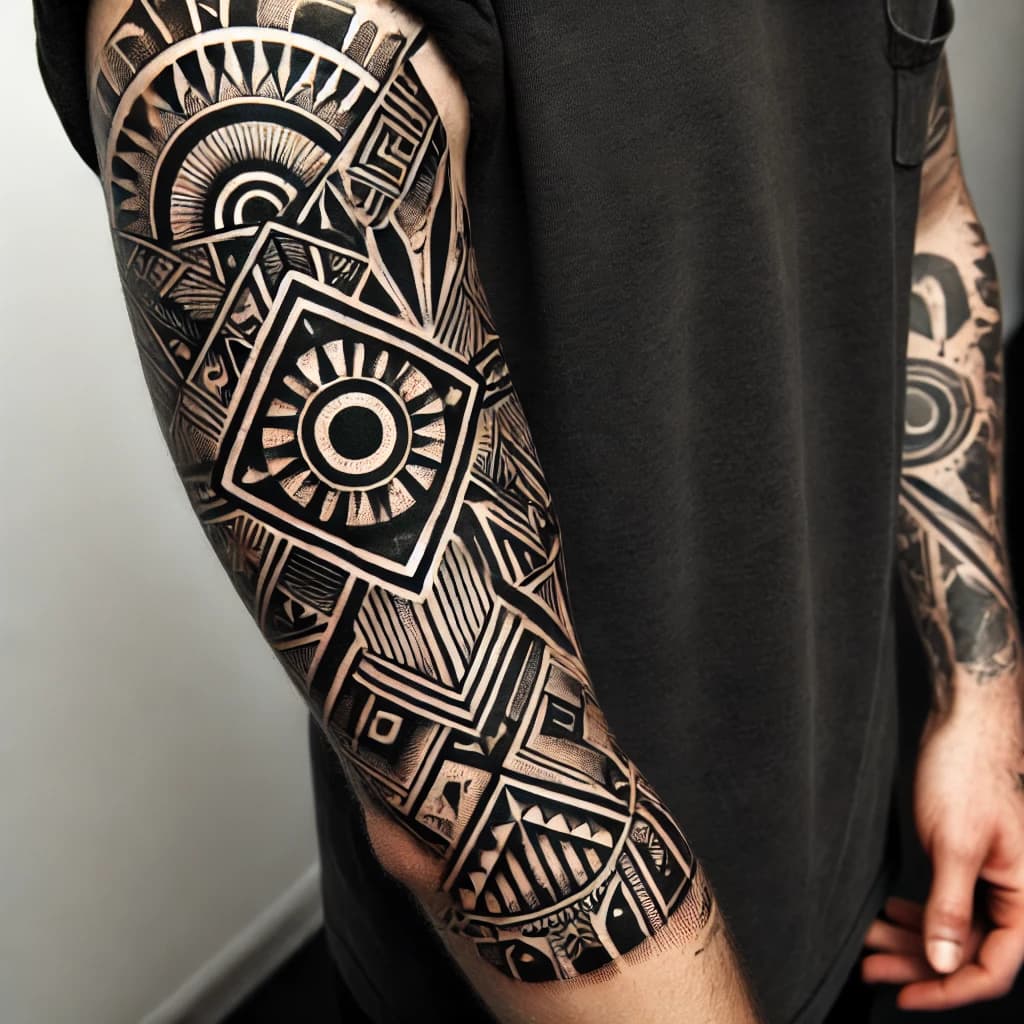
Mandala tattoos cost more than their simple look suggests
Mandala tattoos look calm, but the price climbs with symmetry, placement, and healed-line precision. In 2026, the artist-rate spread alone helps explain why.
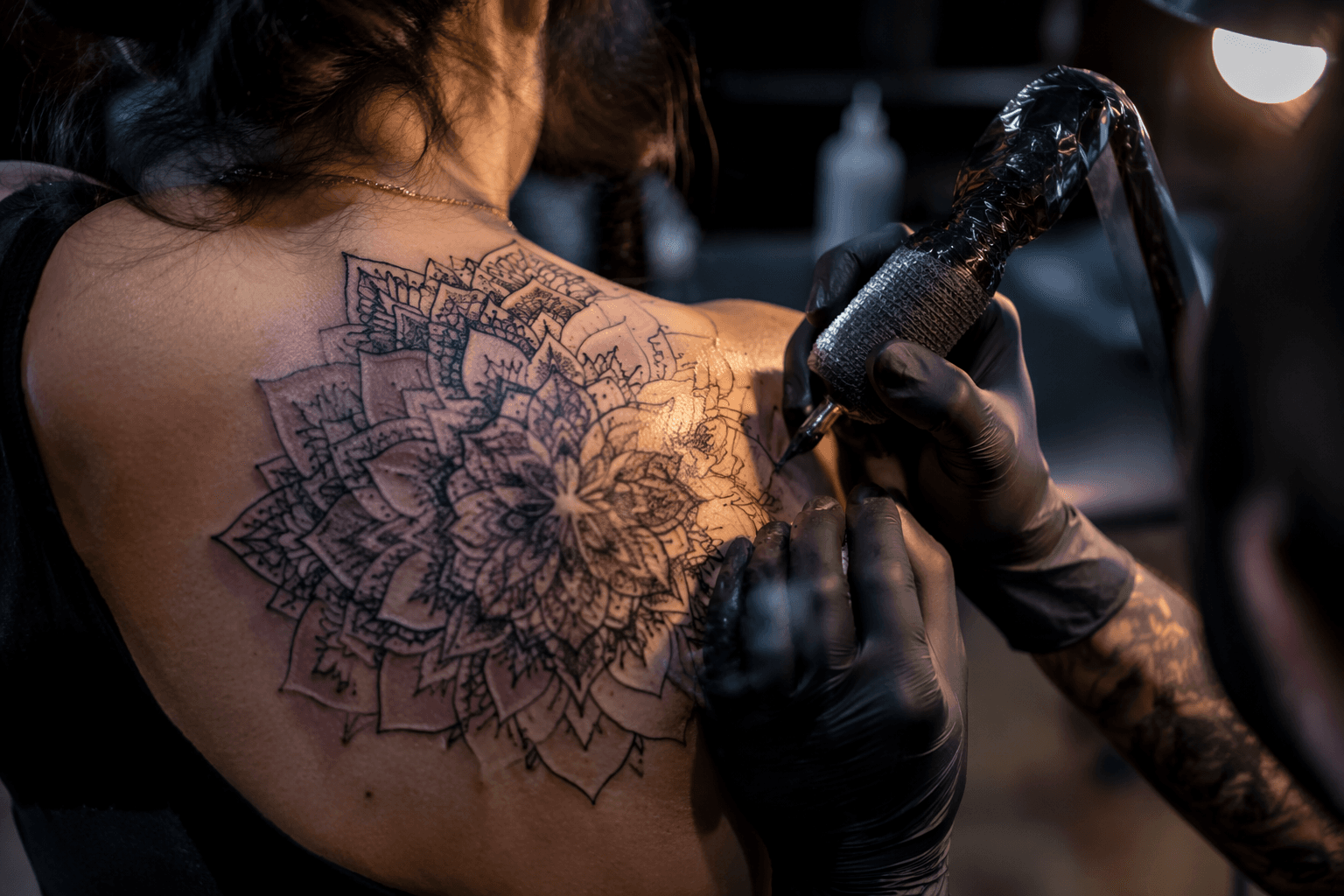
A mandala tattoo can look like a clean, quiet circle from across the room, then turn into a long, exacting appointment once the stencil goes on skin. The cost is not the outer diameter alone; it is the linework, spacing, shading, placement, and the artist’s ability to keep the design balanced as the body moves. A piece that looks simple in a photo can land closer to a technical geometric build than a casual decorative tattoo.
The hidden labor inside the symmetry
Mandalas may look minimal at first glance, but the final quote depends on far more than size. Every ring has to stay even, every petal has to repeat cleanly, and every transition has to hold together after healing, which is where a lot of apparently “simple” work gets expensive. When the design includes floral geometry, sacred geometry, or ornamental framing, the drafting gets even slower because the artist has to keep the whole structure orderly instead of merely pretty.
Mandalas are built on repetition. If one arc is slightly off, the imbalance travels through the rest of the piece. On a small tattoo, that can mean painstaking micro-adjustments to the inner rings and symmetry lines. On a larger piece, the artist has more space to manage, more detail to align, and more surface area to shade or stipple without muddying the center.
Where the budget changes first
The biggest cost jumps usually come from decisions clients treat as cosmetic, not structural. A mandala that lives on its own can be one kind of project; a mandala that has to anchor a sleeve, sternum piece, chest panel, or back panel becomes part of a larger composition, and that changes the amount of design time in the chair. The same circle also costs differently if it is meant to stand alone, bridge into other elements, or sit as the centerpiece of a full layout.
A useful way to think about pricing is through the choices that affect execution:
- Single-session work versus a larger panel that may need multiple passes
- Bold enough linework to age cleanly versus ultra-fine detail that demands more control
- A flat body area versus curved skin that can distort the stencil during placement
- Simple repetition versus added layers of sacred-geometry or ornamental detailing
Those decisions change the labor. A cheaper quote can make sense for a smaller, straightforward mandala, but a bargain price on dense geometric work often leaves visible flaws in line spacing, center balance, or symmetry once the tattoo heals.
Placement is not a side note
Placement can push a mandala from manageable to technically demanding. Ribs and hands generally require extra care, and that extra care often means higher cost because the artist has to work around difficult anatomy, movement, and pain. Tattoos tend to hurt more where there are many nerve endings, little fat, or thin skin, which is why rib, sternum, and other bony placements are harder to sit through and harder to execute cleanly.
Thin skin and curved surfaces can make stencil drift more likely, and a mandala does not forgive drift the way a looser illustrative style might. On ribs, the artist may need to adjust the design so the center stays visually centered when the body expands and contracts. On hands, where placement is compact and unforgiving, the spacing itself can become the challenge.
Why the style carries cultural weight
The motif is not just a decorative pattern, and that is part of why many artists treat mandala requests with extra care. In Hindu and Buddhist Tantrism, a mandala is a symbolic diagram used in sacred rites and meditation, representing the universe and a consecrated space for gods. Tibetan mandalas are tightly balanced geometric compositions with a principal deity in the center, used as tools for wisdom, compassion, and enlightenment.
What 2026 labor rates say about tattoo pricing
The 2026 pay data helps explain why mandala quotes vary so much from one studio to another. PayScale lists average hourly pay for a tattoo artist at $98.53 in 2026, while Salary.com lists average annual pay for a U.S. tattoo artist at $55,107 as of June 1, 2026. SalaryExpert puts the average U.S. tattoo artist hourly rate at about $18, which shows how sharply earnings can diverge depending on region, experience, and whether the artist works as an employee or independent creator.
Tattoo studios do not all price the same way. Studios charge hourly, by piece, or by session. For a mandala, that structure can change the final bill just as much as the design itself, especially when the piece needs careful drafting, tighter symmetry, or extra time for body-specific placement.
How to budget for the circle you actually want
The safest way to approach a mandala quote is to treat the tattoo as both design and construction. A compact piece with bold lines and simple spacing will usually be less costly than a dense, highly layered mandala that has to sit perfectly on ribs, sternum, chest, or back. A larger composition with floral geometry or sacred-geometry framing will almost always add time.
This article was produced by Prism’s automated news system from verified source data, official records, and press releases, then run through automated quality and moderation checks before publishing. The system is built and supervised by the people who set the standards it runs under. Read our full AI policy.
Did this article answer your question?