New thermal stencil printer guide targets geometric tattoo artists
Three months of side-by-side testing across ten thermal printers puts geometric stencil accuracy first, where symmetry, fine lines, and clean transfers can save a full redraw.
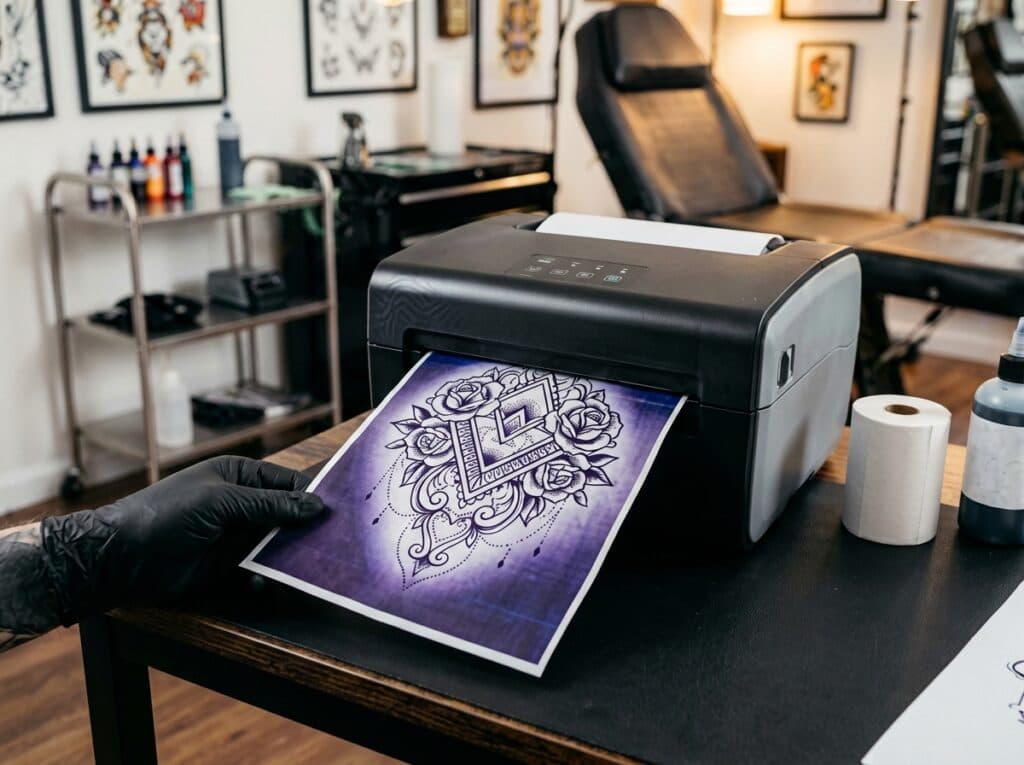
Walter McGuire spent the last three months putting thermal stencil printers through side-by-side tests with the same Procreate designs across ten models, and that kind of comparison lands exactly where geometric tattooing lives or dies: in the transfer. When mirrored halves, repeating bands, and sacred-geometry circles have to sit cleanly on skin, a stencil printer is no longer a shop convenience. It becomes part of the artwork’s structural integrity.
Why geometric work is the toughest stencil test
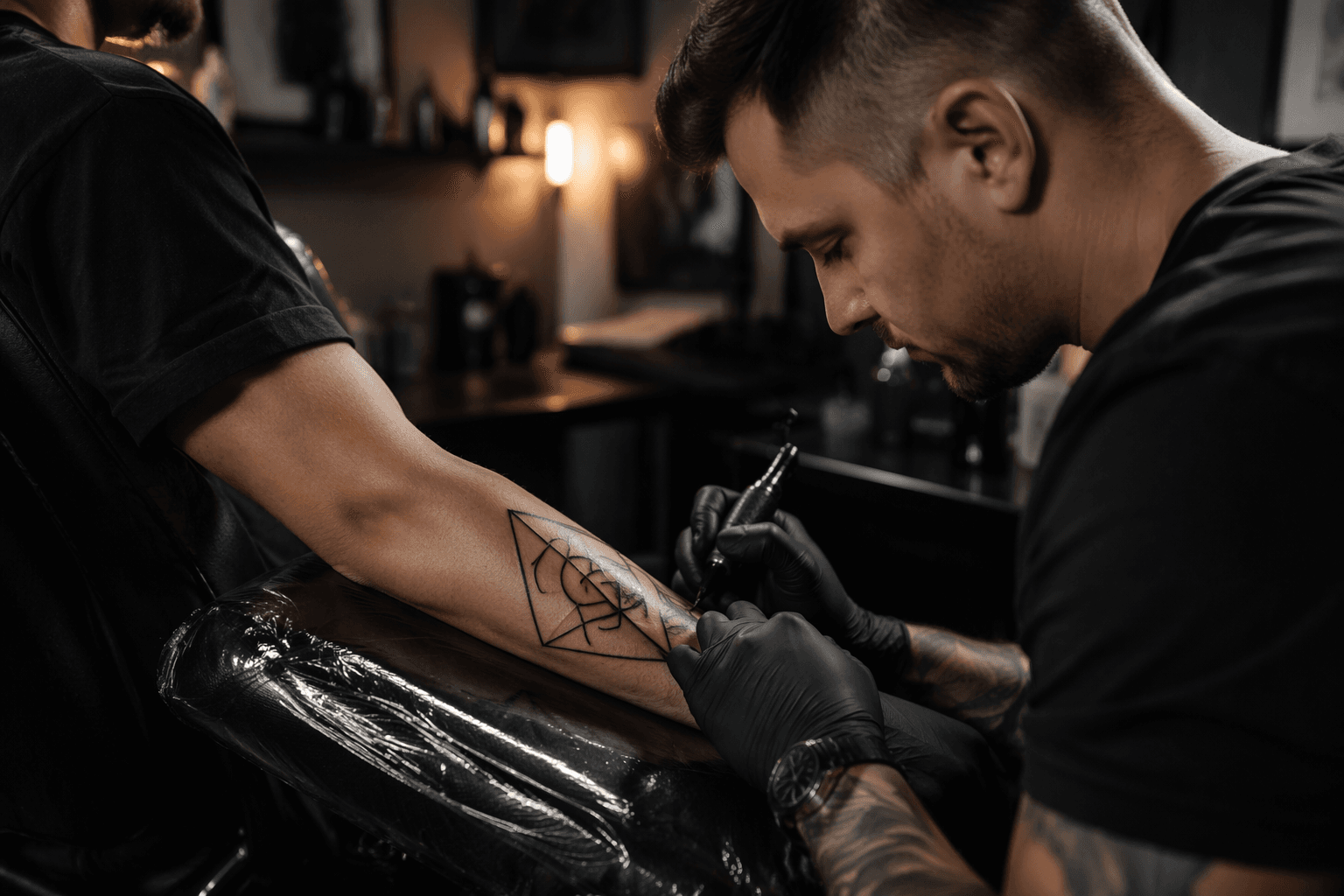
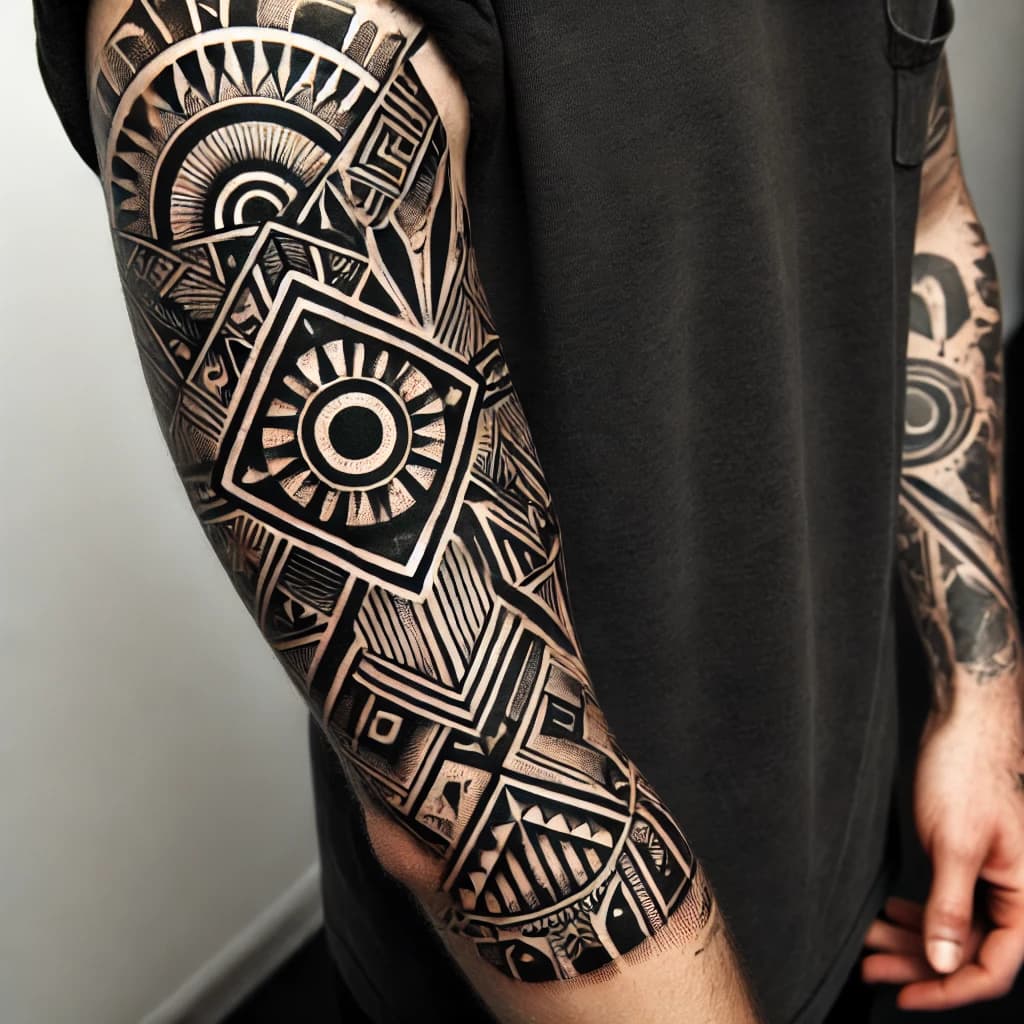
Geometric tattooing asks more from a transfer than most styles do. Tattoodo’s coverage of the style points to sacred geometry, dotwork, mathematical shapes, symmetrical compositions, mandalas, platonic solids, and geometric animal designs, while InkedMag notes that strong geometric work depends on defined shapes and the effective use of body space. That means every tiny wrinkle, drift, or soft edge in a stencil can turn into a visible flaw once the needle follows it.
The new wave of thermal stencil printers matters because the category has moved beyond being a niche accessory. These are portable, inkless devices, and the market has clearly expanded into a real workflow decision. For artists working in symmetry-heavy styles, the question is no longer whether a printer is handy. It is whether the printer preserves the exact geometry that made the design worth tattooing in the first place.
What the stencil has to do before the needle starts
Tattoo transfer paper exists to act as a temporary roadmap, so you do not have to freehand every piece from scratch. Tattooing 101 says stencil creation can happen by hand, with a stencil machine, or with a thermal printer, but the purpose stays the same: give the artist a reliable guide on skin. The site also stresses that a stencil should hold up through the entire tattooing process, which is especially important when the session involves multiple passes, re-wiping, and careful line placement.
That is why Spirit Thermal Transfer Paper has become such a touchstone in the conversation. Tattooing 101 identifies it as the industry standard for professional tattoo artists, and for good reason: a dark, legible stencil is easier to follow when the design depends on precision rather than loose interpretation. In geometric work, a weak stencil does not just look faded. It can compromise symmetry before the first line is even laid down.
Why the digital workflow now reaches all the way to skin
One of the clearest shifts in the current stencil conversation is how closely digital design and machine choice now overlap. McGuire’s test used the same Procreate designs across ten thermal printers, which reflects how normal digital mockups have become in tattoo planning. A few years ago, that kind of direct design-to-device comparison would have felt more specialized. Now it sits at the center of the decision.
InkedMag’s recent reporting pushes the same point from another angle: as realism, fine-line work, and digital tattooing evolve, artists are rethinking whether older stencil technology may be quietly dragging down the final result. The argument is simple and sharp. Tattooing has gone hyper-digital, but for many artists the stencil stage is still where the process starts to fall apart. For geometric tattoos, that gap matters more than most, because a design built on clean repeats and measured spacing cannot afford transfer drift.

What artists are actually weighing when they shop
The best buy decisions in this category are not about chasing the cheapest unit on the shelf. The market is clearly being judged on print quality, portability, battery life, and ease of use, because those are the factors that shape day-to-day workflow in a busy studio. A printer that makes a cleaner transfer may save redraws, shorten consultations, and reduce the chance of a placement mistake that shows up only after the stencil is on skin.
There is also a practical split inside the category itself. Tattooing 101’s forum discussion notes that many stencil printers are essentially thermal printers, and some artists still prefer cheaper thermocopier-style units. The same discussion also points out a tradeoff that matters in real shops: thermal paper can be less attractive once price and durability are factored in. That makes the category less about a single perfect machine and more about choosing the hardware that matches the kind of work you actually do.
Why line fidelity is still the whole game
For geometric artists, one of the most useful comparisons in the discussion comes from Tattooing 101’s 2021 forum thread on a Brother PJ-623. The printer was praised for thin lines, small details, and shaded gradient areas, which are exactly the kinds of qualities that expose how well a device handles precision. Even when the finished tattoo is bold and structural, the stencil often has to carry delicate reference marks, fine intersections, and subtle spacing cues.

That is where a strong printer pays off in the clearest way. A crisp thermal output helps preserve straight edges and repeating elements, while a weaker transfer can force the artist to compensate on the fly. In a mandala or a repeating geometric band, that compensation adds up fast. It can mean more redraws, more checking, and more time lost before the actual tattooing begins.
A better transfer protects the finished piece
The biggest payoff is not simply a nicer stencil sheet. It is what happens when the design lands correctly on the body. Geometric pieces rely on placement as much as they rely on line quality, and the skin itself is never flat or static. A printer that helps preserve scale, balance, and alignment gives the artist a better starting point for working with the body instead of against it.
That is why this guide matters now. Geometric tattooing has long been tied to motifs like Fibonacci spirals, mandalas, and knotwork, and those forms remain popular because they promise order, balance, and visual control. When the stencil stage is clean, the rest of the tattoo has a much better chance of living up to that promise. The three-month test across ten thermal printers is not just about equipment. It is about protecting the symmetry the client came in for, before a single line has to make the design permanent.
This article was produced by Prism’s automated news system from verified source data, official records, and press releases, then run through automated quality and moderation checks before publishing. The system is built and supervised by the people who set the standards it runs under. Read our full AI policy.
Did this article answer your question?