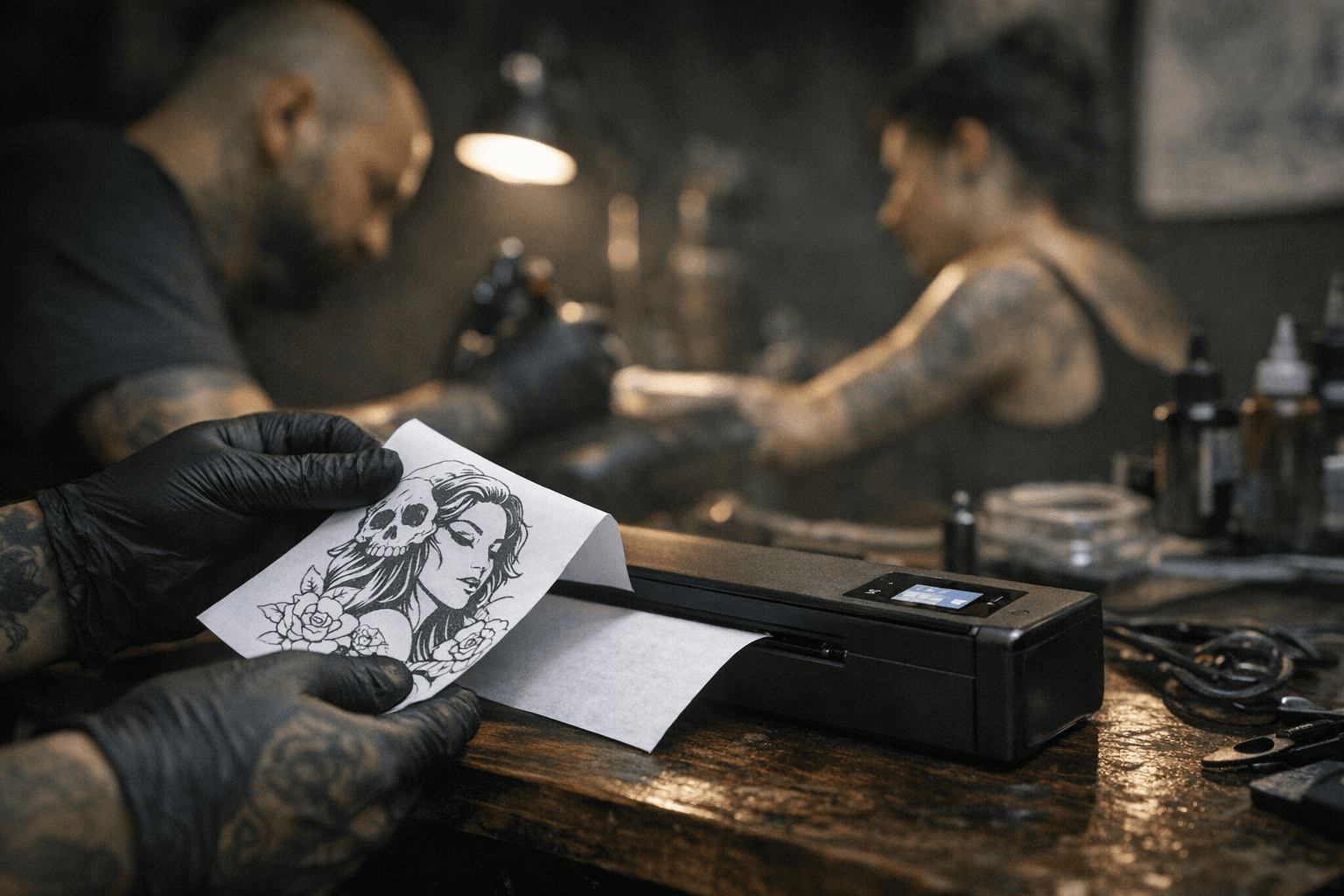
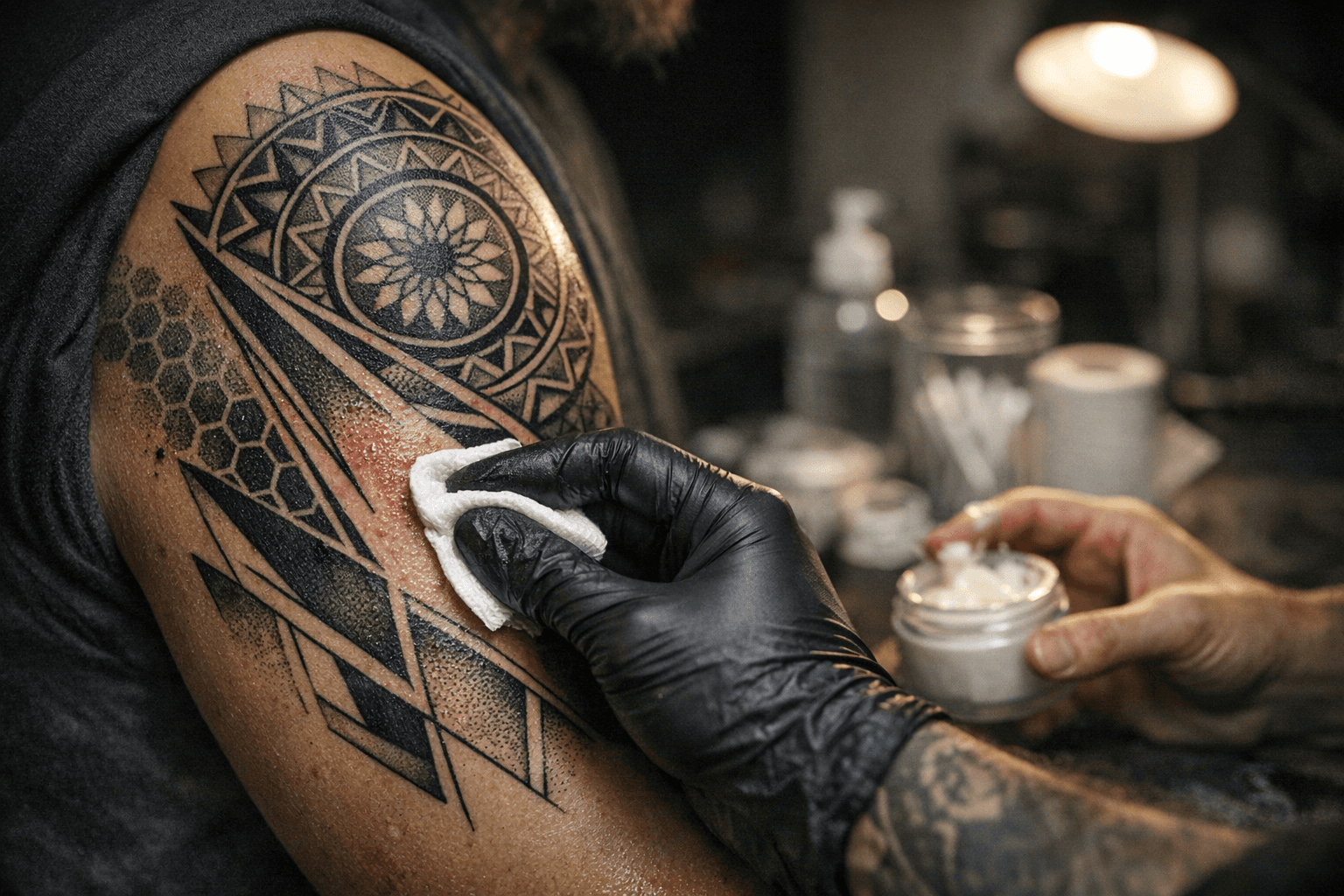
Pacific Leaders Challenge Auckland's Proposed Tattoo Bylaw Changes for Tatau Practitioners
Pacific leaders and tufuga pushed back on Auckland Council's Health and Hygiene Bylaw changes at a Māngere fono, demanding evidence before tighter rules reshape a centuries-old practice.
Auckland Council's proposed changes to rules affecting traditional Sāmoan tatau are facing pushback from Pacific community leaders, who question whether the evidence supports tighter regulation and how it could affect cultural practice in Auckland.
The amendments sit within the council's Health and Hygiene Bylaw, which regulates services that pierce the skin, including tattooing, body piercing, and acupuncture. The council says the review is driven by public health concerns, with General Manager of Policy Louise Mason stating the aim is to respect traditional practices while keeping people safe.
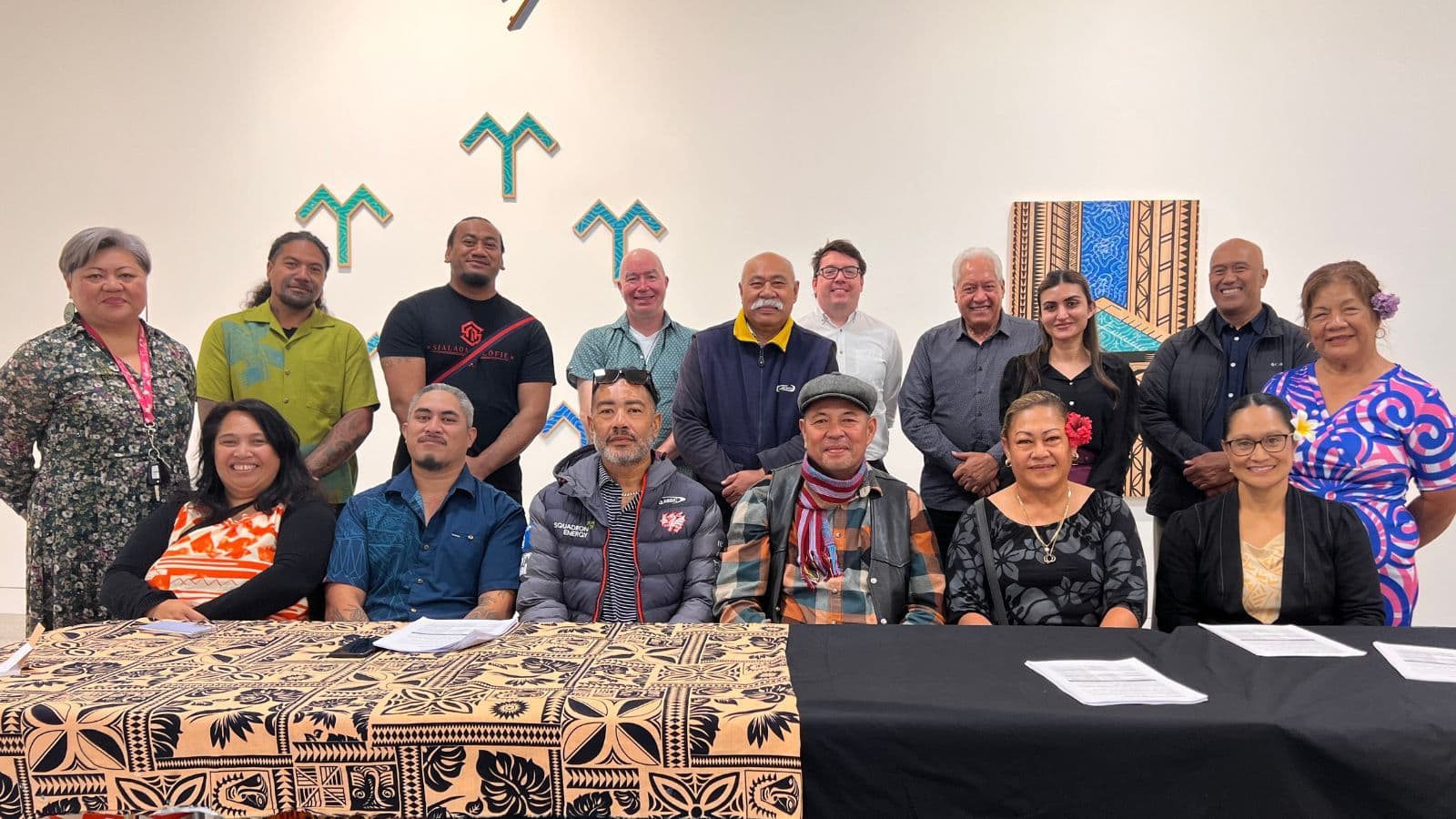
A Māngere Local Board-supported tufuga ta tatau fono brought together practitioners and community members to give feedback on the review. Pastor Victor Pouesi was among the voices pushing back hardest. Pouesi demanded the health sector produce clear data linking infections to tattooing, questioned claims about deaths, and warned the bylaw could unfairly harm a cultural practice passed down through generations. "But if they're just assuming and doing a lot of speculations, then that's not a good law," he said.
Pouesi also challenged the representativeness of the consultation itself. He questioned how broadly the process had reached, noting that only five Samoan tattooists appeared to have been included, and asking where the Māori, African, Fijian, and Tongan communities were in the conversation.
Cost emerged as another flashpoint. Tufuga currently pay around $519 annually for a licence, with more compliance, training, and equipment costs potentially on the way. Apulu Uta'ile'uō Tu'u'u Mary Kalala Autagavaia, who facilitated the fono, put the financial concern plainly: "For us, it's not a business, it's our culture. And yet they're charged as if they were a full-time business."
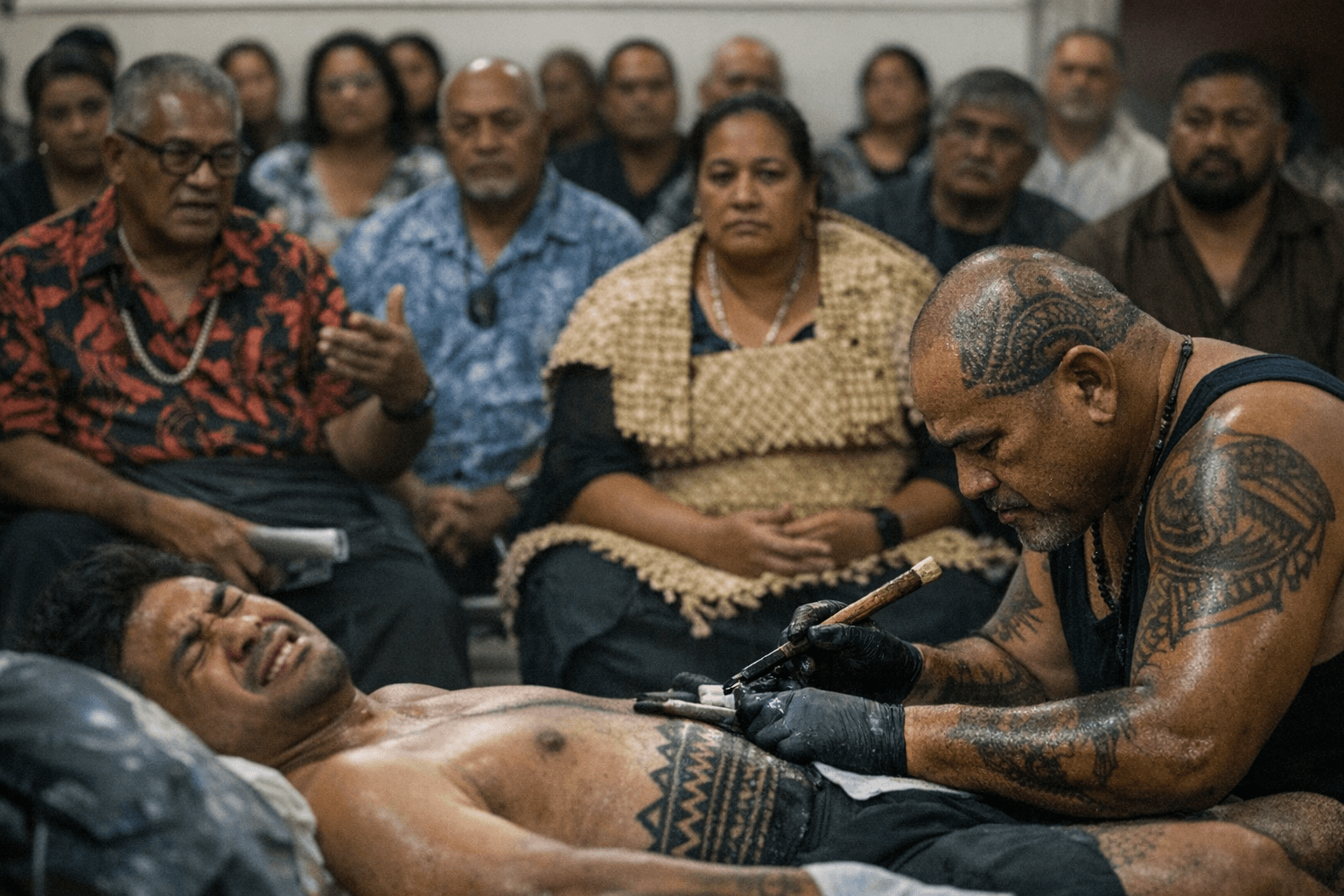
Saunima'a Josephine Sasa, a public health adviser and nurse, argued that any training requirements must be practical and relevant to tufuga, focusing on blood-borne pathogens, infection control, and cross-contamination prevention rather than generic commercial standards. She also argued that rules should apply consistently to all practitioners, including visitors from overseas, a significant point given that tufuga frequently travel from Samoa to perform the pe'a and malu in Auckland before returning home. Calls were also made for greater transparency on how licensing fees are used, with Sasa arguing the council should be directing those funds to actively support tufuga in their work.
Autagavaia argued that regulation should be community-led rather than imposed, warning that forced compliance has historically pushed practitioners underground. Mason acknowledged the common ground, saying the fono "confirmed the understanding… that tufuga and council share a strong desire to keep the people giving and receiving tatau safe."
The proposed amendments will go before Auckland Council's Regulatory and Community Safety Committee, with public consultation expected to open in May and final decisions due later in 2026. For tufuga and the communities who carry tatau as living culture, the window between now and May is the critical moment to ensure their voices shape what comes next.
Know something we missed? Have a correction or additional information?
Submit a Tip