Wireless and AI tools reshape geometric tattoo design in 2026
Wireless machines and AI are moving from side tools to shop standards, and geometric work stands to benefit most from the push for precision.

Wireless is becoming the new default
Thunderlord Power’s 2026 forecast points to a real shift in tattooing: wireless and smart machines are no longer being treated as premium add-ons, but as baseline equipment. The clearest signal is the company’s projection that wireless rotary machines could make up 60 to 70 percent of new equipment sales globally by the end of 2026. That is a big number for one simple reason: it reflects how fast artists are voting with their purchases when battery life, lower prices, and ergonomics start beating old cable-heavy habits.
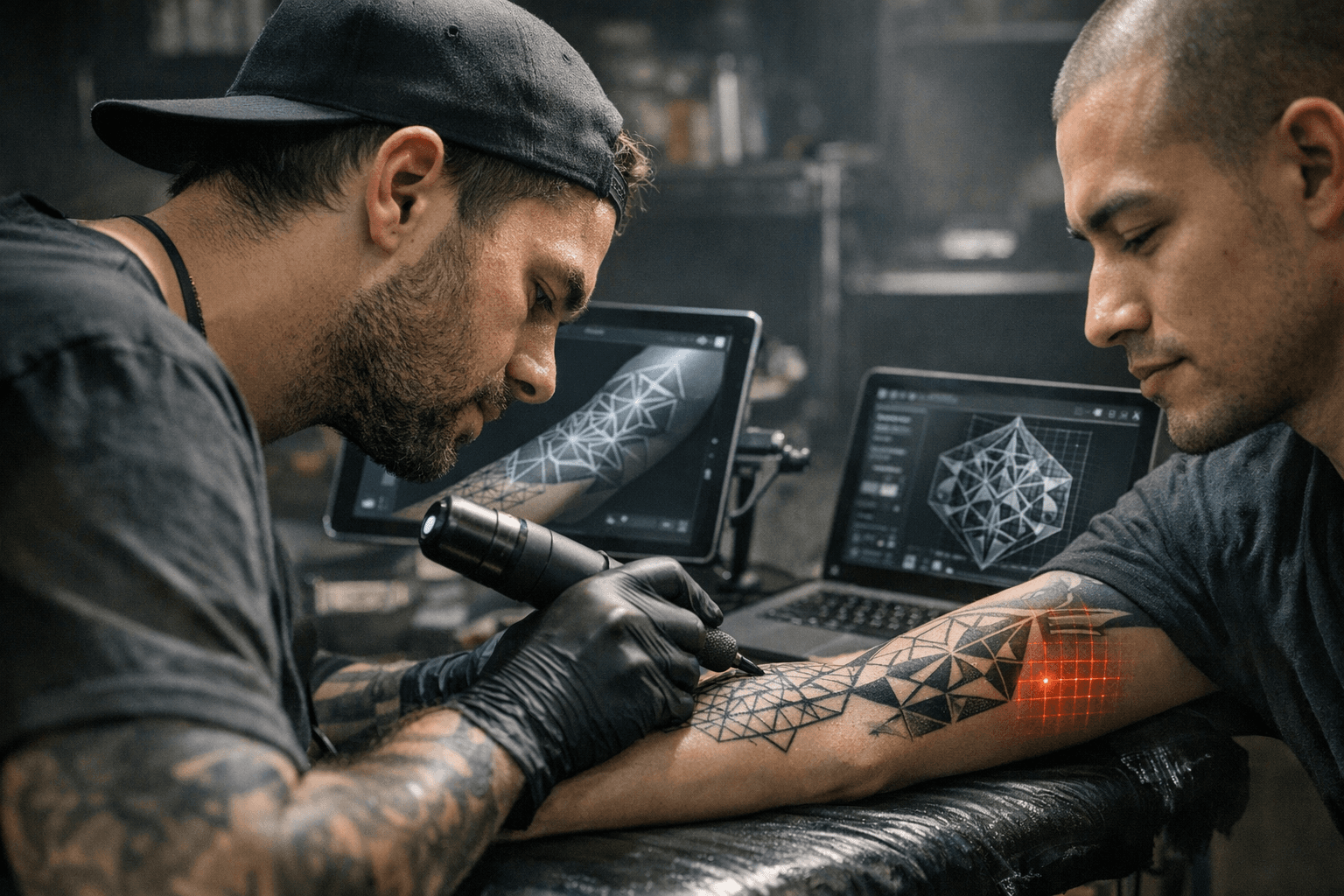
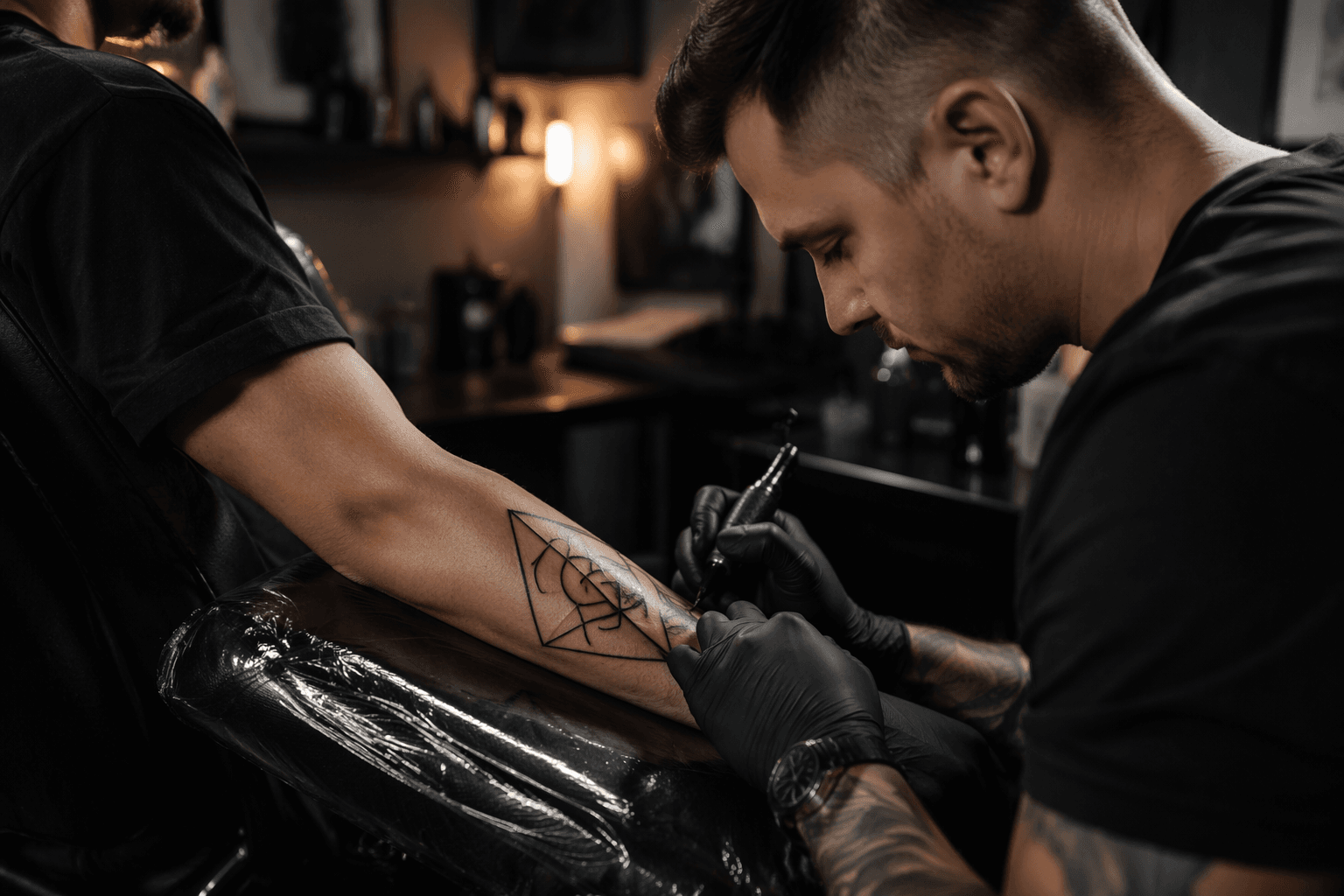
For geometric tattooing, that matters immediately. Clean lines, balanced spacing, and symmetrical forms depend on a steady hand and a predictable machine. A lighter setup with less cable drag makes long, controlled passes easier to maintain, especially when a design asks for repeated line weights or mirrored angles across a large panel. In that sense, wireless is not just convenient. It is being sold as a precision tool.
Why geometry benefits more than most styles
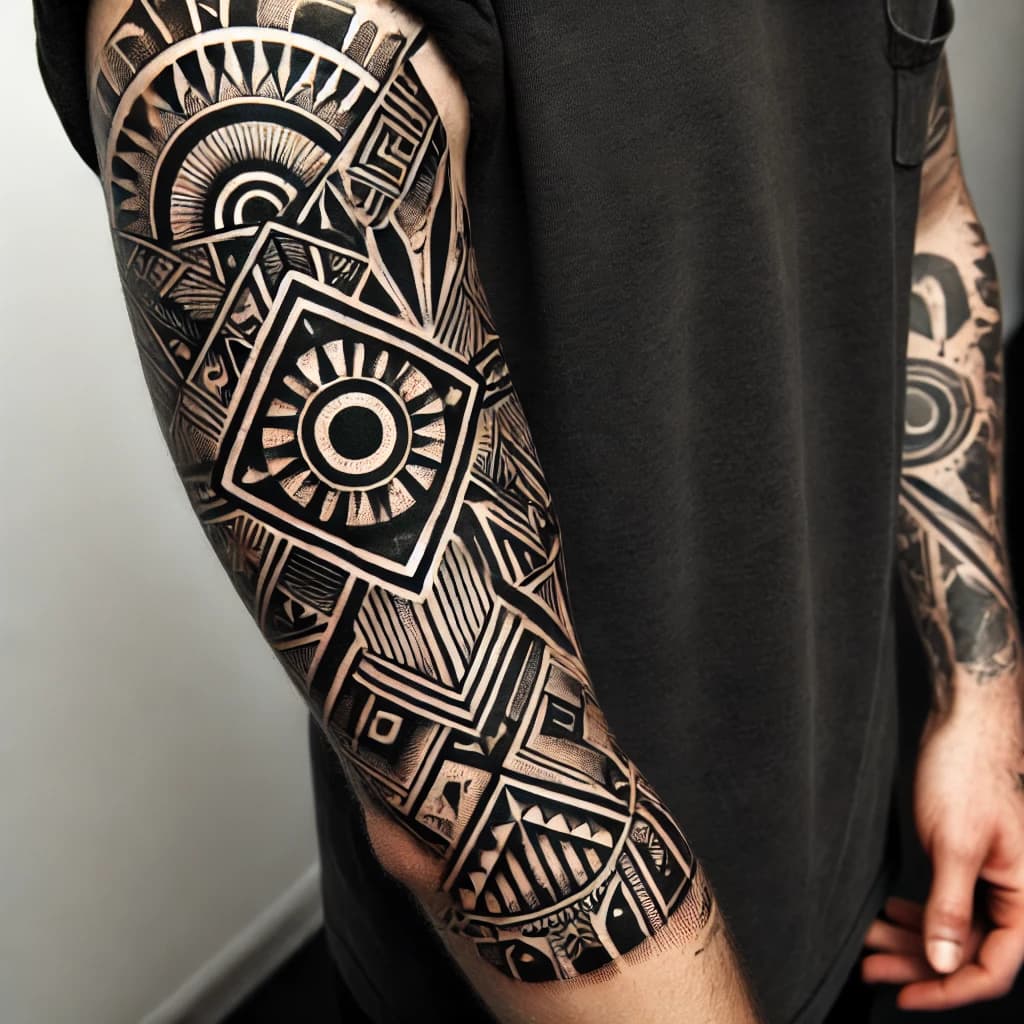
The geometry crowd already knows that the style lives or dies on consistency. A circle that is a little off reads as sloppy. A spacing error in a mandala or sacred-geometry layout becomes visible fast, especially once the tattoo heals and sits against skin movement. That is why the current move toward lightweight wireless rotary machines has more than a cosmetic appeal for this niche. It aligns with the core demands of the work.
A 2025 wireless machine buying guide backs up that direction with the features professionals say they prioritize: adjustable voltage, at least four hours of battery life, swappable cells, stroke adjustment, and weights under 280 grams to reduce fatigue. Those requirements read like a geometric artist’s checklist as much as a product spec sheet. When a session runs long, fatigue can show up in the spacing before it shows up anywhere else, and that is where a stable, low-drag setup earns its keep.
Thunderlord Power also highlights a new generation of smart machines that log session time, track voltage history, count needle cycles, sync via Bluetooth, and store presets for different techniques. For geometric work, those functions can help make multi-session pieces more repeatable. If you are building a complex pattern over multiple appointments, being able to return to a saved setup instead of guessing your last settings can save both time and line quality.
AI is entering the consultation, not replacing the artist
The other major shift in the forecast is AI. The industry conversation has clearly moved beyond concept art for social posts. Studios are now using AI to streamline consultations, generate initial concepts, create design variations, and preview placements on the body. That makes the technology useful before the first needle ever touches skin, which is where many geometric projects are won or lost.
That distinction matters. Geometric tattoos are built on intent: symmetry, proportion, negative space, and flow with the body’s structure. AI can speed up the earliest round of visual testing, especially when a client wants to compare multiple stencil directions or see how a pattern wraps a forearm, sternum, or calf. It can also help artists sort through ideas faster when a design needs several clean versions before one is ready for stencil transfer.
But the technology is still framed as an assistant, not a substitute for judgment. That is important for geometry because AI can suggest pattern variations quickly, yet it cannot fully read how skin tension, placement, or healed contrast will affect the final result. The strongest workflow is likely to be a hybrid one: AI for speed and visual options, artist judgment for the real decisions that determine whether the tattoo stays crisp.
Fine-line demand is rising, but geometry has to last
Thunderlord Power also ties the current market to fine-line and minimalist demand, styles that spread quickly through social media aesthetics. Geometric tattoos fit neatly inside that visual language because they photograph well, read clearly on a phone screen, and carry the clean structure that online audiences tend to reward. Blackwork, ornamental work, and minimalist line art are all feeding the same momentum.
Still, there is a tension here that geometric artists know well. Fine-line may be hot, but geometry has durability demands that go beyond trend appeal. The sharper the structure, the more unforgiving the healing process becomes. A minimalist look can be visually current, but a geometric piece still has to hold its balance months and years later, not just in a fresh post or a flash photo.
That is why the style conversation should not be reduced to aesthetics alone. Geometric tattoos are thriving because they sit at the intersection of crisp presentation and technical discipline. They are part of the broader rise in fine-line and minimalist work, but they also demand the kind of execution that benefits from better machines, clearer planning, and more controlled sessions.
The market is bigger, and the scrutiny is sharper
The commercial side of this story is impossible to ignore. Tattooing has become common enough that the Centers for Disease Control and Prevention said in 2012 that 21 percent of U.S. adults reported at least one tattoo. A 2024 population-based study in Utah adults found tattoo prevalence is still increasing and described roughly one-third of U.S. adults as tattooed. World Health Organization and International Agency for Research on Cancer materials go even further, estimating prevalence in industrialized countries at 15 percent to 20 percent across adult age groups, and above 40 percent among U.S. adults under 40.
Those numbers explain why style trends now have real business weight. If a larger share of the adult market is tattooed, then the demand for geometric, minimalist, blackwork, and AI-assisted custom designs stops being niche and starts affecting how studios buy equipment and book consultations. More clients also means more comparison shopping, more visual proof, and more expectation that the studio can document the process cleanly from concept to finished piece.
At the same time, the public-health backdrop is not going away. WHO and IARC materials say tattoo inks are introduced into the skin without the kind of premarket safety testing used for drugs and cosmetics, and they note that long-term health effects are still not well understood. That scrutiny matters alongside the style boom, because clients are not only choosing patterns now. They are also asking more questions about ink, hygiene, and the long-term behavior of what goes under the skin.
What the 2026 shift really means for geometric work
The headline is not that tattooing has discovered something completely new. The deeper story is that the tools and workflows supporting precision styles are finally catching up to the demand for them. Wireless machines reduce cable drag and physical fatigue. Smart systems bring more consistency to repeat sessions. AI speeds up design iteration and body previews. Together, those changes make geometric work easier to plan, easier to present, and easier to execute with the kind of repeatability that the style requires.
That is why the current forecast feels more like a new baseline than a passing trend cycle. The studios that adapt fastest will be the ones that can translate complex geometric ideas into clean, wearable tattoos without wasting time on avoidable technical friction. In a market where precision is becoming as visible as style, the artists who master both will set the pace.
This article was produced by Prism’s automated news system from verified source data, official records, and press releases, then run through automated quality and moderation checks before publishing. The system is built and supervised by the people who set the standards it runs under. Read our full AI policy.
Did this article answer your question?