Hand Tattoos Fade Fast, Why Bold Geometry Lasts Longer
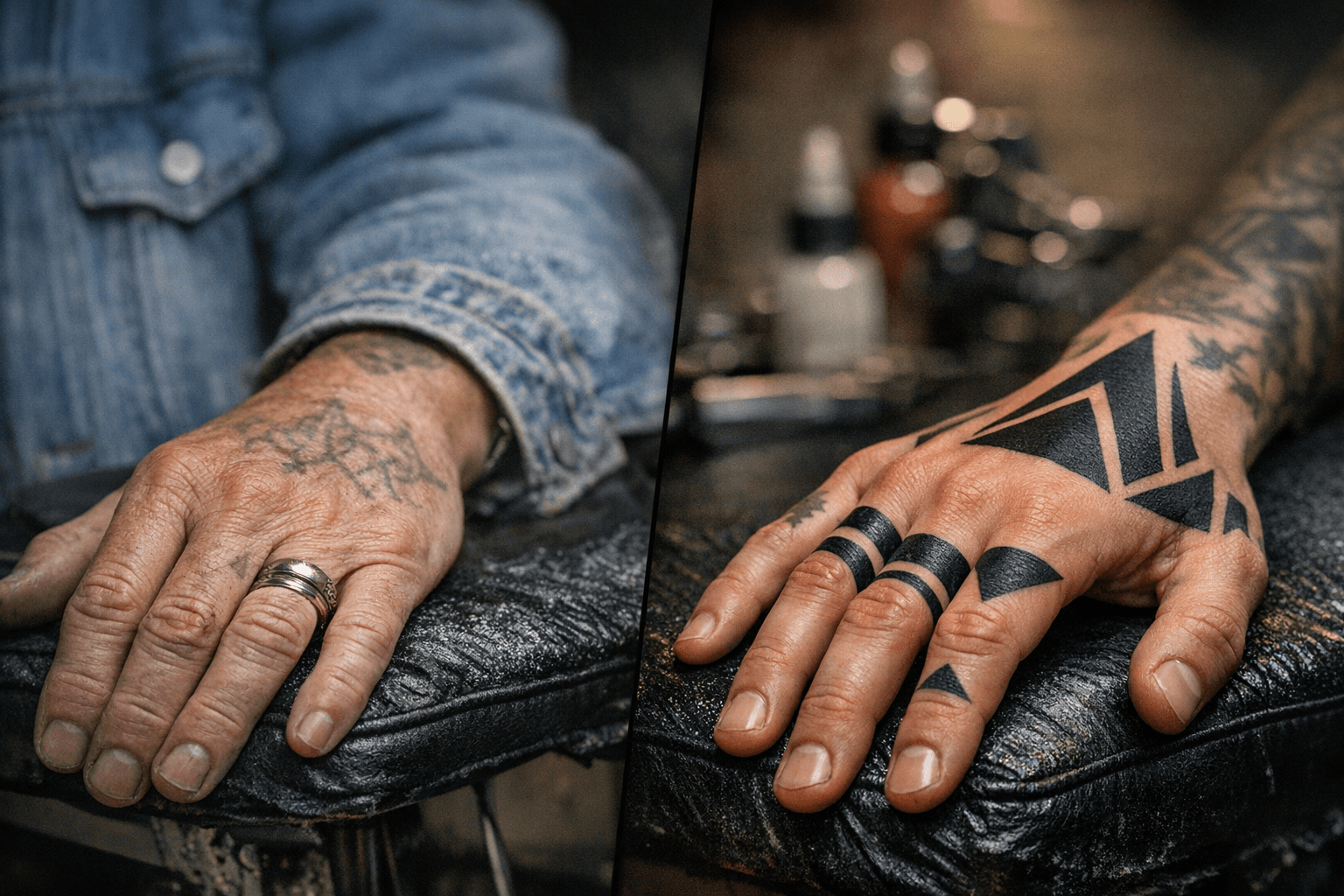
Hand geometry lives or dies by spacing and line weight. On hands, fine lines can vanish in 12 to 18 months, while bold shapes stay readable much longer.
Why the hand changes the whole brief
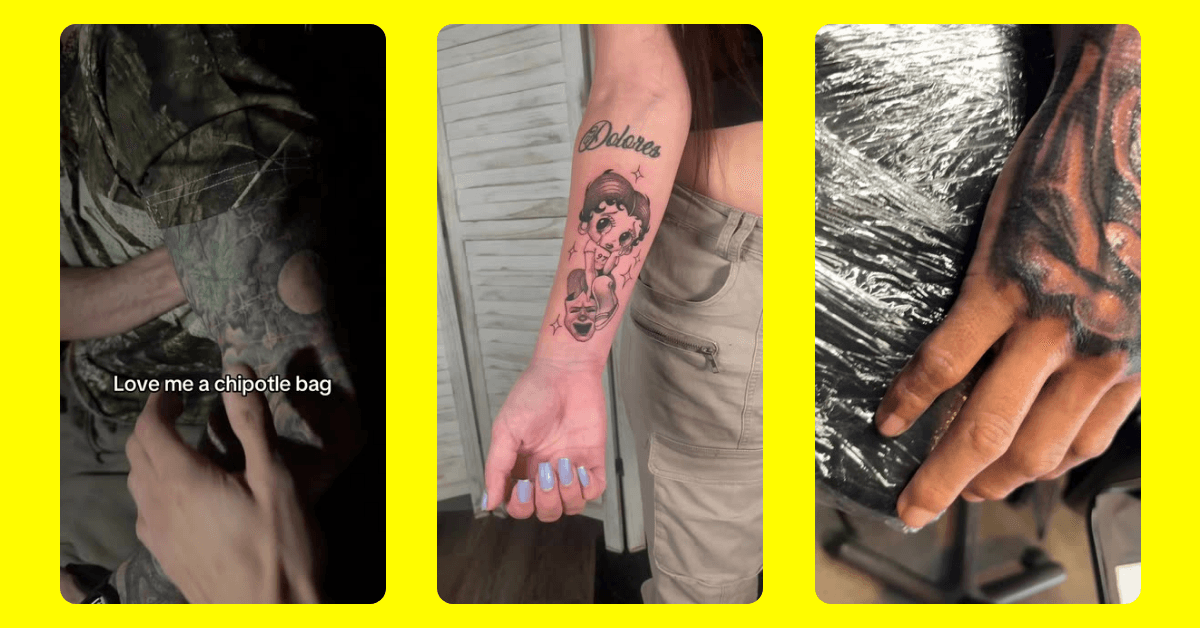
A hand tattoo lives in the worst possible neighborhood for delicate geometry: constant motion, constant washing, and constant sun. That is why a design that looks razor-sharp in the chair can come back looking soft, broken, or blurred if the structure is too delicate for the placement.
The hand is not just another small canvas. Tattoo pigment sits in the dermis, while the outer epidermis is continually renewed and shed, so the surface you see every day is always working against ultra-fine detail. The Sky Rye Design hand guide makes that point in plain terms, and it is the kind of reminder people ignore until the aftercare window is long gone.
Why geometric work either survives or falls apart here
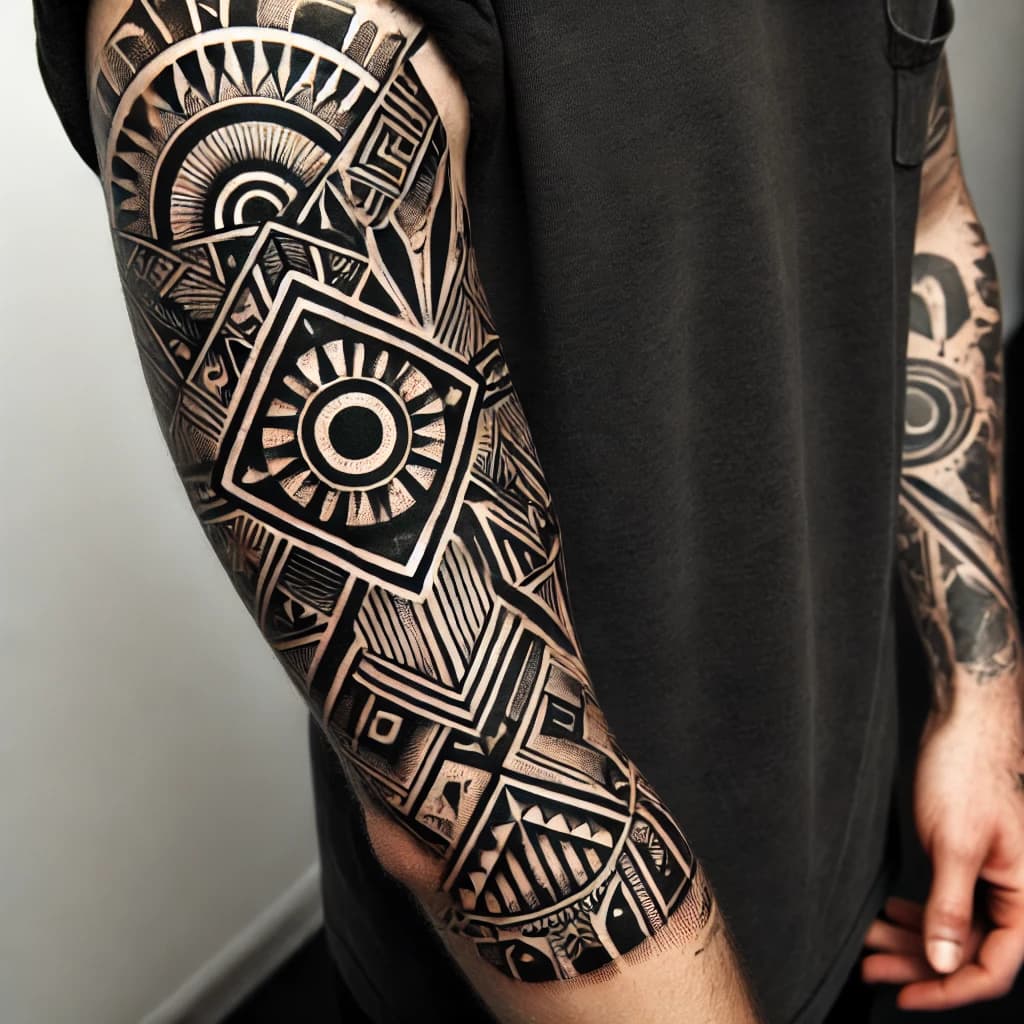
Geometry gives you a better survival strategy on the hand because it can lean on structure instead of decoration. Bold outlines, clean spacing, and solid black areas usually age more gracefully than thin ornamental webs of linework, especially when the placement is getting hit by friction from sleeves, gloves, bags, gym equipment, and endless handwashing.
The key is readability. A geometric hand piece should still make sense when a line loses a little crispness, because hands do not forgive tight micro-detail the way an upper arm or back sometimes can. If the design depends on every tiny gap staying perfect, it is already fighting a losing battle.
Fine lines are the first thing to go
The bluntest warning in the Sky Rye Design guide is the one most people need to hear: fine lines thinner than 1 mm can partially disappear within 12 to 18 months on hands. That is not a sign of weak technique by itself, it is a sign that the skin is simply a bad long-term host for ultra-delicate work in this spot.
For geometric tattoo fans, that should change the design conversation immediately. If you want the tattoo to still read clearly years later, trade some delicacy for discipline: cleaner geometry, stronger borders, and simpler symmetry usually outperform a fragile lattice of tiny marks. On hands, restraint is not boring, it is smart.
Sun, soap, and daily wear are the real enemies
Dermatology guidance backs up the longevity problem with a few practical facts. Ultraviolet light can fade tattoo inks, and the American Academy of Dermatology recommends broad-spectrum, water-resistant sunscreen with SPF 30 or more on tattooed skin exposed to the sun. On a hand, that matters more than on hidden placements because the skin is exposed every day, not just in summer.
The same guidance also warns that petroleum-based products, such as petroleum jelly, can cause ink to fade. Add constant handwashing, repeated drying, and everyday contact with rough surfaces, and the hand becomes a place where even a solid design has to earn its keep. This is why the smartest hand tattoos are built to survive ordinary life, not just a good first week.
What to ask your artist before you commit
The easiest way to judge hand work is not by the freshest photo in a portfolio. It is by the healed photo. Fresh hand tattoos always look cleaner than they will after months of friction, washing, and sun exposure, so healed images tell you whether the artist understands how a design ages on real skin.
That matters even more for geometry because spacing and line weight can look perfect on day one and still fail after the hand has lived in it for six months. If the portfolio only shows crisp fresh work, you are not seeing the part that decides whether the tattoo actually holds up. Ask for healed examples, and pay attention to whether the pattern still reads without becoming a gray blur.
Why simpler symmetry beats overstuffed detail
The strongest hand geometry usually looks almost stubborn in its simplicity. A single black triangle, a clean mandala fragment, a small sacred-shape composition, or a pair of mirrored lines can outlast a more intricate design because the eye can still reconstruct the form even when the skin softens it a little.
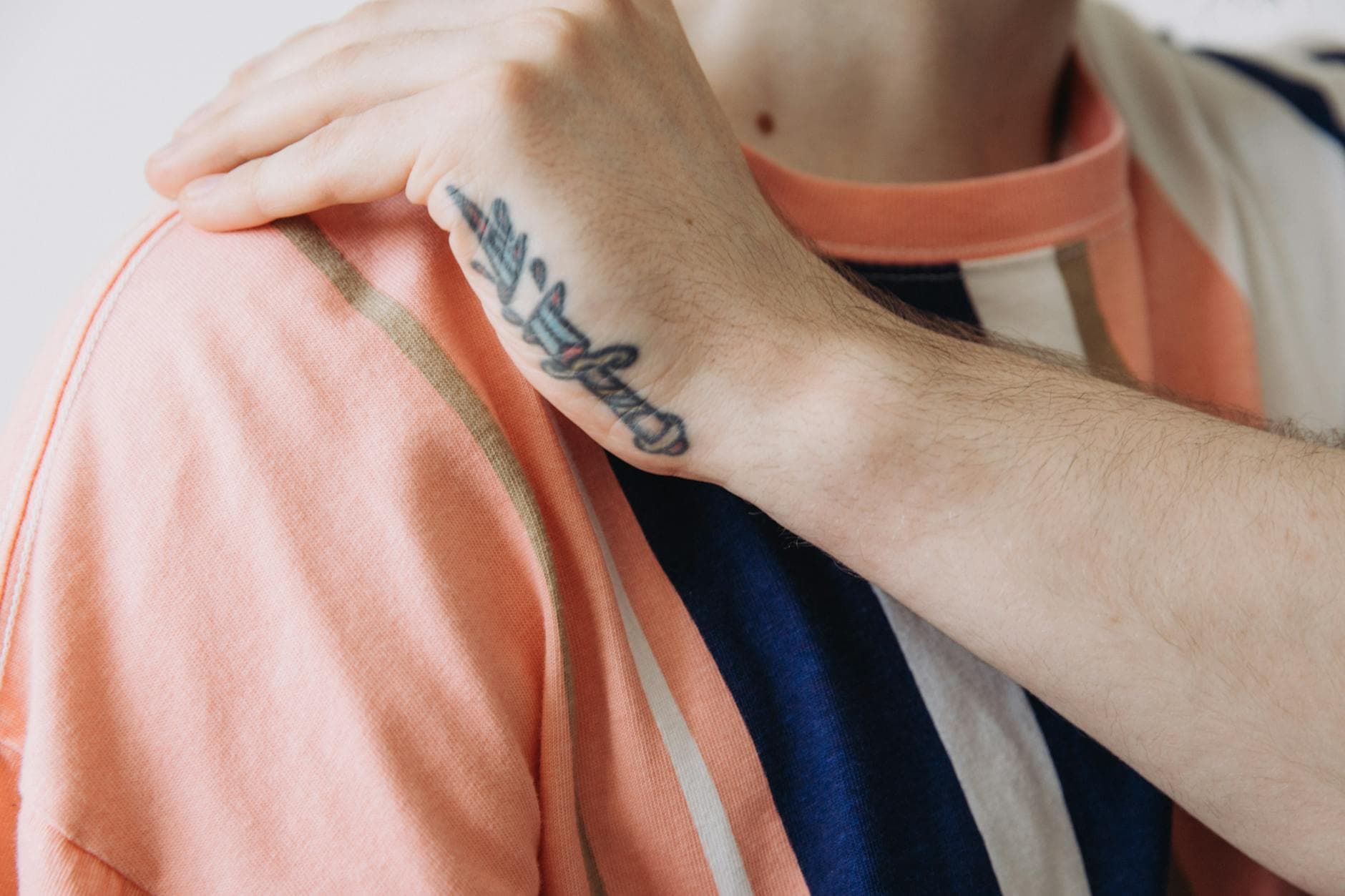
That is the real design lesson here: the hand rewards decisions that anticipate wear. Clean symmetry, heavier outlines, and obvious negative space do more work over time than tiny decorative filigree. If you want the tattoo to age like geometry instead of collapsing into noise, build it with enough contrast that each shape can survive a little loss of precision.
The health side is not optional
Dermatology guidance adds two more reasons to take hand placement seriously. Tattoo-related skin reactions can appear immediately, or weeks or years later, even when the tattoo was done by a licensed artist and the aftercare was followed. The hand does not get a pass on that risk, and because it is exposed, any problem can be harder to ignore.
There is also the skin-cancer issue. Dermatologists warn that tattoos may disguise skin cancer and make it harder to detect, which is another reason to think carefully before covering a highly visible area with dense ink. When a placement is as exposed as the hand, you want a design that works with the skin, not one that turns a medical warning sign into visual clutter.
Why this advice is more mainstream than it used to be
Tattooing is no longer a niche habit. A 2024 review indexed in PubMed says prevalence rates can reach 30 to 40 percent among adults younger than 40 in industrialized countries. That surge is part of why placement-and-longevity advice matters so much now: more people are choosing visible tattoos, and more of them need designs that still look intentional after years of use.
That shift makes the hand a poor place for impulse decisions and an excellent place for disciplined geometry. If you want a piece that still reads clearly two, five, or ten years down the line, design for the way the hand actually lives: exposed, moving, and constantly renewing itself. On this placement, bold geometry is not just a style choice, it is the difference between a tattoo that ages with the body and one that gets worn out by it.
This article was produced by Prism’s automated news system from verified source data, official records, and press releases, then run through automated quality and moderation checks before publishing. The system is built and supervised by the people who set the standards it runs under. Read our full AI policy.
Did this article answer your question?