Grand Theft Auto began as a top-down crime game before GTA III changed everything
Grand Theft Auto started as a top-down crime game, but GTA III turned Liberty City into the open-world template that still powers free-roam chaos and roleplay.
Grand Theft Auto did not begin as the giant, fully lived-in sandbox most players picture now. It started as a bird’s-eye crime game where the core fantasy was already there, steal cars, work through missions, and climb the criminal ladder, but the city still felt like a map rather than a place. That early shape matters because the series’ biggest leap was not just graphical polish, it was the moment the camera dropped into the world and made the streets feel usable, reactive, and worth inhabiting.
From bird’s-eye crime to a recognizable GTA loop
The original Grand Theft Auto arrived in 1997 and 1998 on consoles and personal computers through ASC Games, with Scottish designer David Jones behind it. Even in that top-down form, the series had the bones that would define it for decades: car theft, mission structure, and the pleasure of moving through a city as a criminal trying to get ahead. What it did not yet have was the physical intimacy that later made the franchise so sticky for players and modders alike.
That older perspective changed the way the world felt. In the top-down games, the city could support chaos, but it was chaos seen from above, almost like a criminal board game. You understood the rules, but you were not yet inside the pressure cooker that later made every alley, intersection, and shortcut feel like a possible story.
GTA III turned the city into a place you could live inside
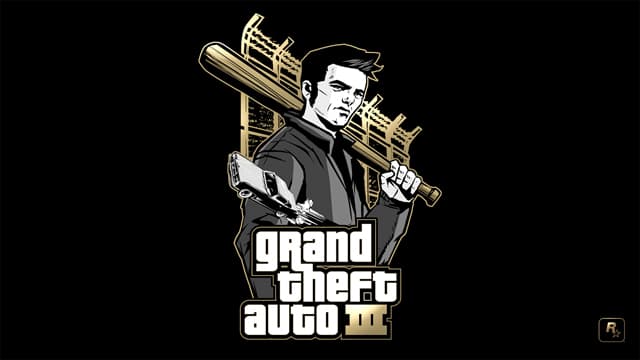
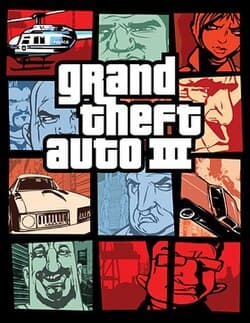
Grand Theft Auto III released on October 22, 2001, and it is the point where the series stopped feeling like a clever crime game and started feeling like the modern open-world model everyone else would chase. Rockstar describes Liberty City as a dark and seedy underworld inside a massive and diverse open world, with freedom to explore at will, and that language gets at the real break in the series’ DNA. The city was no longer just the stage for missions, it was the mission system’s partner, a place you could ignore, exploit, or simply wander through.
Metacritic’s summary highlights the fully realized 3D city and the large set of vehicles, missions, and weapons, which is exactly why GTA III still reads like a hinge point. Once the world became three-dimensional, the series could support free-roam chaos in a way the top-down games only hinted at. A player could chase a story objective one minute and get sidetracked by a stolen car, a police pursuit, or a bad decision the next, and that emergent rhythm became the series’ real signature.
Rockstar now says GTA III defined the open-world genre for a generation, and that is not just marketing talk. It explains why so many later GTA habits, from mission hopping to traffic-strewn stunts to treating the city as a sandbox for improvisation, all trace back to this one design jump. The game made the world feel navigable instead of merely readable, and that shift is still the foundation of how people play and modify GTA today.
Vice City and San Andreas gave the template a personality
After GTA III, the series did not grow by scale alone. Vice City, released on October 29, 2002, showed that GTA could be as much about tone as technology. Rockstar frames it as a neon-soaked crime story centered on Tommy Vercetti, set in a tropical urban sprawl that moves from beaches to swamps and from glitz to the ghetto, with the excess and pastel suits of the 1980s baked into every corner.
San Andreas, released on October 26, 2004, widened the formula again. Rockstar sets it in the early 1990s and follows Carl “CJ” Johnson as he returns to Los Santos, where gang trouble, drugs, and corruption send the story across an entire state rather than a single city block. That structure mattered because it turned GTA into more than a crime tour through one metropolis. It became a road trip through a fictionalized American West Coast, with each place carrying its own mood and social texture.
Together, III, Vice City, and San Andreas locked in the formula the community still recognizes instantly. A fictional American city became a character. A strong lead character gave the chaos a point of view. Satire, crime, and freedom started to work as one system instead of separate parts. Once that happened, GTA was no longer just a series about missions, it was a series about inhabiting a world that feels alive enough to misbehave in.
Why the trilogy still shapes how GTA gets played, modded, and remembered
Rockstar now calls III, Vice City, and San Andreas the genre-defining classics of the original Grand Theft Auto Trilogy, and the 2021 Definitive Edition made that framing explicit. Released on November 11, 2021, the bundle added brighter lighting, environmental upgrades, high-resolution textures, increased draw distances, and GTA V-style controls and targeting. That package mattered because it showed how much of the modern GTA experience still rests on the skeleton built by those earlier games.
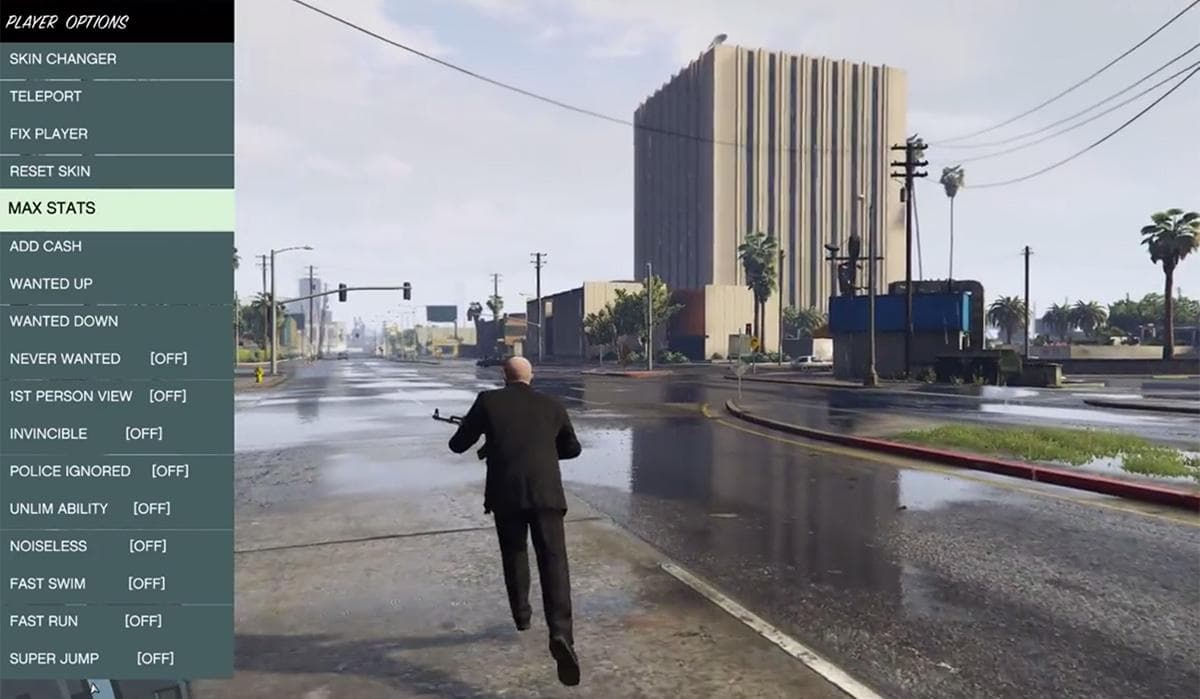
For players, that skeleton is the reason GTA still invites two kinds of play at once: structured missions and unplanned disaster. For modders, it is the reason the series remains such a durable hobby space, because the best GTA projects are usually trying to sharpen immersion, smooth friction, or extend the world’s ability to react. The old top-down games had the crime fantasy, but GTA III and the trilogy that followed gave the hobby its living city, and that is the part the community has been rebuilding, expanding, and roleplaying inside ever since.
The leap from a bird’s-eye caper to Liberty City’s 3D streets is the whole story in miniature. Once GTA stopped being a map viewed from above and became a place you could step into, the series did more than change cameras, it created the playstyle that still defines it.
This article was produced by Prism’s automated news system from verified source data, official records, and press releases, then run through automated quality and moderation checks before publishing. The system is built and supervised by the people who set the standards it runs under. Read our full AI policy.
Did this article answer your question?