How GTA's radio stations turned driving into worldbuilding and memory
GTA’s radio works because it turns every drive into a curated city scene, not background noise. From GTA V’s 240 songs to Cayo Perico’s 250-track update, it makes memory stick.
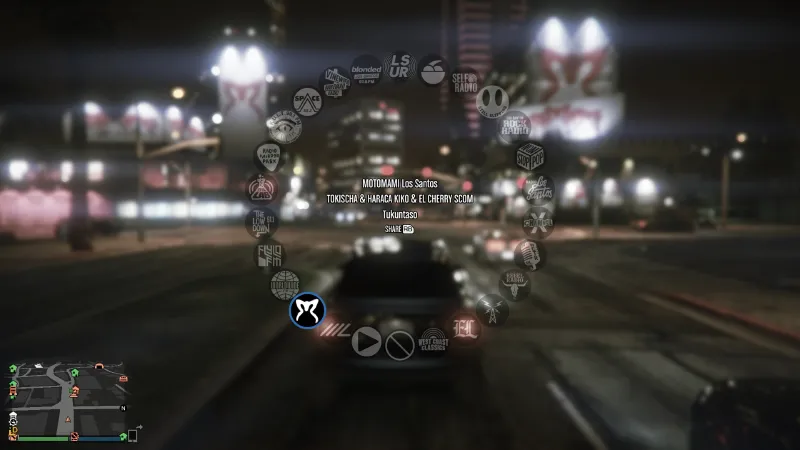
The best GTA soundtrack is the one that keeps you in the car. Every long run across Los Santos, Liberty City, or Vice City turns into a private broadcast, where a licensed track, a DJ crackle, or a fake ad can do more worldbuilding than a mission briefing ever could. Rockstar figured out early that driving is not dead air in Grand Theft Auto, it is the main stage.
The radio was part of GTA’s DNA before it became a signature
The series did not stumble into radio by accident in the HD era. FutureLearn identifies Colin Anderson, the former head of DMA Designs, as the person responsible for soundtracks for GTA and Lemmings, and a GTA Wiki entry says Anderson and Craig Conner crafted original songs for the in-game stations in the original Grand Theft Auto and Grand Theft Auto 2. That is the important clue: GTA’s audio identity began with original station material, not just a pile of licensed songs dropped over a map.
That early foundation is why the radio feels so tied to place. Before players ever spent hours in the GTA III-era fictional setting, the games were already building little audio worlds with station personalities and original tracks. The setup gave Rockstar a language it could expand later in Vice City and Liberty City, where the station became a shorthand for the whole city, not just the song currently playing.
There is also a near-miss baked into the story. A Quarter to Three feature published on September 24, 2020, argued that the radio stations players know in Grand Theft Auto almost did not happen. That makes the feature feel less like decorative polish and more like one of the series’ defining inventions, because without it, GTA loses a huge chunk of its tone, comedy, and mood control.
GTA V made radio impossible to ignore
By the time Grand Theft Auto V arrived, Rockstar had turned radio into one of the game’s headline features. In August 2013, GameSpot reported that GTA V would include 240 licensed songs across 15 radio stations, and Polygon published the same basic breakdown a few days later. Another 2013 report said the soundtrack also included two talk stations, which matters because talk radio changes the pacing as much as the music does.
That mix is why GTA radio lasts in memory. A station is not just a playlist in motion. It is a curated stretch of personality, with licensed tracks, host chatter, and the kind of station identity that can make one city feel glossy while another feels cynical or strange. GTA V’s 15-station spread gave Rockstar room to do both, and the two talk stations made the world feel like it had a public voice beyond the player’s car.
The important part is how specific the memory gets. Nobody remembers “the soundtrack” as a generic blob. They remember the exact station they left on during a chase, the host they heard for the hundredth time, or the one track that somehow made the freeway feel bigger than the mission marker.
Cayo Perico turned music into a live-service asset
Rockstar pushed that logic harder around The Cayo Perico Heist. The company said GTA Online’s musical update added more than 250 new tracks and called it “the biggest ever musical update to GTA Online.” That same wave of changes brought the Music Locker, new resident DJs, and stations including Still Slipping Los Santos and K.U.L.T. 99.1 FM, while established stations such as FlyLo FM and Worldwide FM got new mixes featuring songs released between 2013 and 2020.
That update matters because it shows Rockstar treating station design like active worldbuilding, not content filler. The Music Locker gives the soundtrack an in-world venue, new DJs make the city feel socially current, and fresh mixes on FlyLo FM and Worldwide FM keep old station identities from going stale. Instead of replacing what worked, Rockstar kept extending the same logic: a station has to feel like part of the city’s social fabric.
NTS Radio’s collaboration, titled “The Sound of GTA: A Musical History,” pushed that idea into archival territory. On Monday, December 14, 2020, NTS hosted a six-hour radio takeover across two live channels, while Rockstar described the same collaboration as 12 hours of non-stop radio celebrating the musical legacy of Grand Theft Auto from GTA III onward. That framing matters because it stops sounding like a promo and starts sounding like a museum exhibit built out of signals, memories, and scene-setting.
Why the stations outlast the missions
What makes GTA radio different from a disposable game soundtrack is the way it combines three things at once: licensed music, DJ banter, and station design. A song on its own can be background noise, but a song tethered to a fake ad, a host personality, and a city map becomes part of the setting. That is why fans remember a specific station as clearly as a heist setup or a mission fail.
The series also benefits from range. The original games used original songs and fictional stations, GTA V brought scale with 240 licensed tracks and 15 stations, and the Cayo Perico-era update expanded the whole system with more than 250 new tracks, new DJs, and refreshed mixes. Across all of it, the structure stays the same: the car is the listening room, the road is the stage, and the city is what gives the broadcast meaning.
That is the trick GTA pulled better than most games. It made driving feel authored without ever stopping to announce that it was doing worldbuilding. The station you left on, the DJ you tolerated, and the song that played as you crossed town were never just filler. They were the city speaking back.
This article was produced by Prism’s automated news system from verified source data, official records, and press releases, then run through automated quality and moderation checks before publishing. The system is built and supervised by the people who set the standards it runs under. Read our full AI policy.
Did this article answer your question?