Devon Gilfillian aims to take Nashville soul global with new album
Devon Gilfillian is pushing his Nashville soul past Music Row, with Cory Wong, live-to-tape sessions at RCA Studio A, and a new album built to travel.
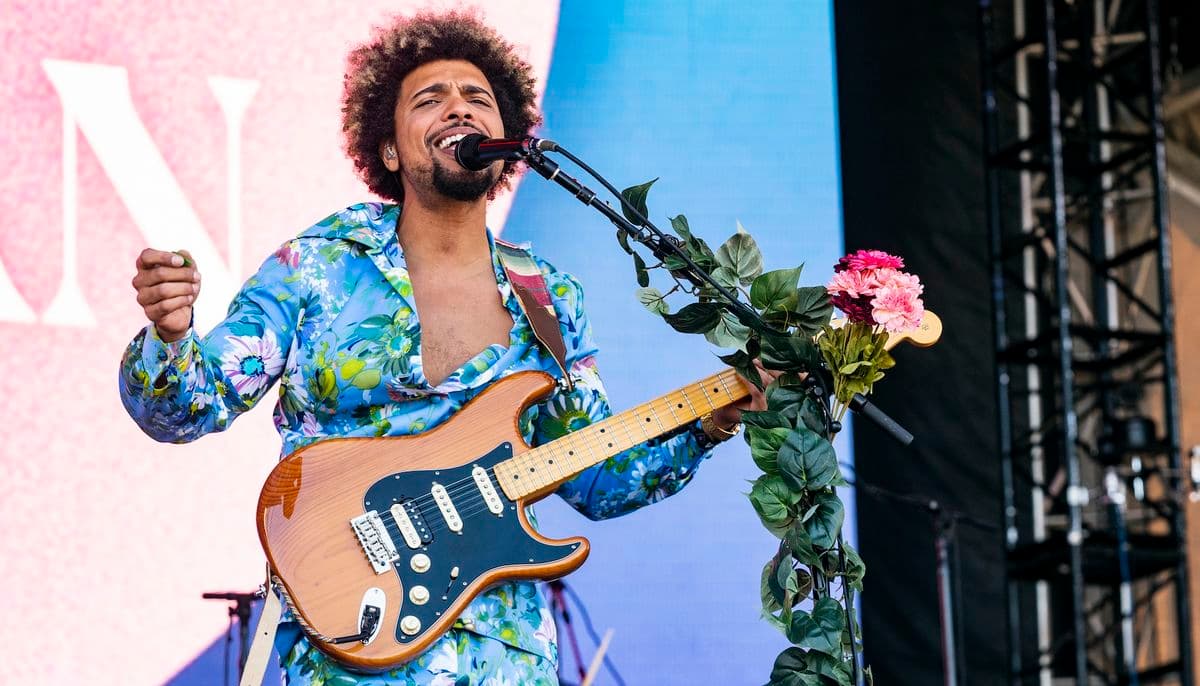
Devon Gilfillian is making the case that Nashville soul can sound bigger than Nashville itself. The Nashville-based, Philly native singer-guitarist has a third album, Time Will Tell, due June 26 via Concord Records and Fantasy Records, and he is using live performance, trusted collaborators, and a sharper guitar-led identity to carry it outward.
What Nashville soul sounds like in Gilfillian’s hands
Gilfillian has been framed in Nashville coverage as both a “neo soul” artist and a “country-tinged soul” man, which is exactly why his music stands out in a city still defined by country guitar and songwriting. That label is not just branding language. It points to a sound that pulls from Black music traditions rooted in soul while living inside the same Nashville ecosystem that has long marketed a narrower version of the city.
That tension is the story here. Gilfillian is not presenting soul as an imported novelty, he is treating it as part of Nashville’s own fabric, and the guitar is the instrument that makes the argument audible. When a singer-guitarist with Philly roots makes that move from Music Row, the result is less museum piece and more live proposition: groove, feel, and band interaction matter as much as polish.
Time Will Tell is the record built to carry it
Time Will Tell was announced as Gilfillian’s third album, and the framing around it is unusually direct. Concord said it is the album he has been working toward his entire life, while Rolling Stone reported that Gilfillian wanted to “get weird” and buck Nashville’s system on the new record. That combination tells you where this project sits: not as a cautious career step, but as a deliberate attempt to widen the lane.
The emotional backdrop is heavy, but the musical read is simple. Coverage says the album was inspired by a difficult stretch that included his father’s health scare, a breakup, and depression, but the record was still cut with an eye toward forward motion rather than autobiography alone. If you are listening for the guitar, that matters, because records made in that frame tend to leave more air around the players and more room for instinct to show through.
Why RCA Studio A changes the feel
The album was recorded at the historic RCA Studio A on Music Row, and that choice is doing real work. WNXP noted that it was recorded live to tape with trusted collaborators from past projects, which usually means fewer studio tricks and more focus on the way the band breathes together. In a soul record, that can be the difference between a polished surface and something that actually swings.
RCA Studio A also carries its own weight in Nashville history, which makes Gilfillian’s decision feel pointed rather than nostalgic. He is placing a Black-rooted, genre-blending Nashville record inside one of the city’s most recognizable rooms and cutting it in a way that puts the players first. For a guitar-focused listener, that is where the appeal starts: live-to-tape sessions expose the hands, the touch, and the arrangements instead of hiding them behind edits.
Cory Wong and the push beyond the local lane
The Cory Wong connection gives this project another route to a wider audience. Relix said Wong brought Gilfillian to the Relix office in February 2026 for a live session that included music from Lost In The Wonder and a cover of Bill Withers’ “The Same Love That Made Me Laugh.” The video description also listed “Roses Fade” as a featured track, which helps show how Gilfillian is using live performance to keep his material in circulation.
That collaboration matters because Wong’s audience already knows how much can be said with a tight band, a strong pocket, and guitar parts that serve the song without sanding off personality. Gilfillian fits that setting naturally. His music has enough soul and enough guitar detail to work in a stripped live environment, and that is exactly the kind of proof an artist needs when trying to move a scene-specific sound into a broader market.
How to hear the guitar in the campaign
If you are trying to hear what makes this push different from a routine album cycle, focus on the parts that are already visible:
- The live-to-tape approach at RCA Studio A, which leaves less room for gloss and more room for touch.
- The Nashville soul framing, which places his guitar playing inside a Black musical tradition rather than a standard country template.
- The Cory Wong live-session setting, which rewards players who can lock into a groove and still sound distinctive.
- The Bill Withers cover, which signals that Gilfillian is comfortable placing his voice and guitar against classic soul material while still making the song his own.
That is what separates this from a normal artist profile. Gilfillian is not only releasing new music, he is testing whether a specifically Nashville version of soul can stand on a wider stage without losing its accent. The combination of Time Will Tell, RCA Studio A, and the Wong connection suggests he already knows the answer: if the guitars stay this direct, the sound can travel.
This article was produced by Prism’s automated news system from verified source data, official records, and press releases, then run through automated quality and moderation checks before publishing. The system is built and supervised by the people who set the standards it runs under. Read our full AI policy.
Did this article answer your question?