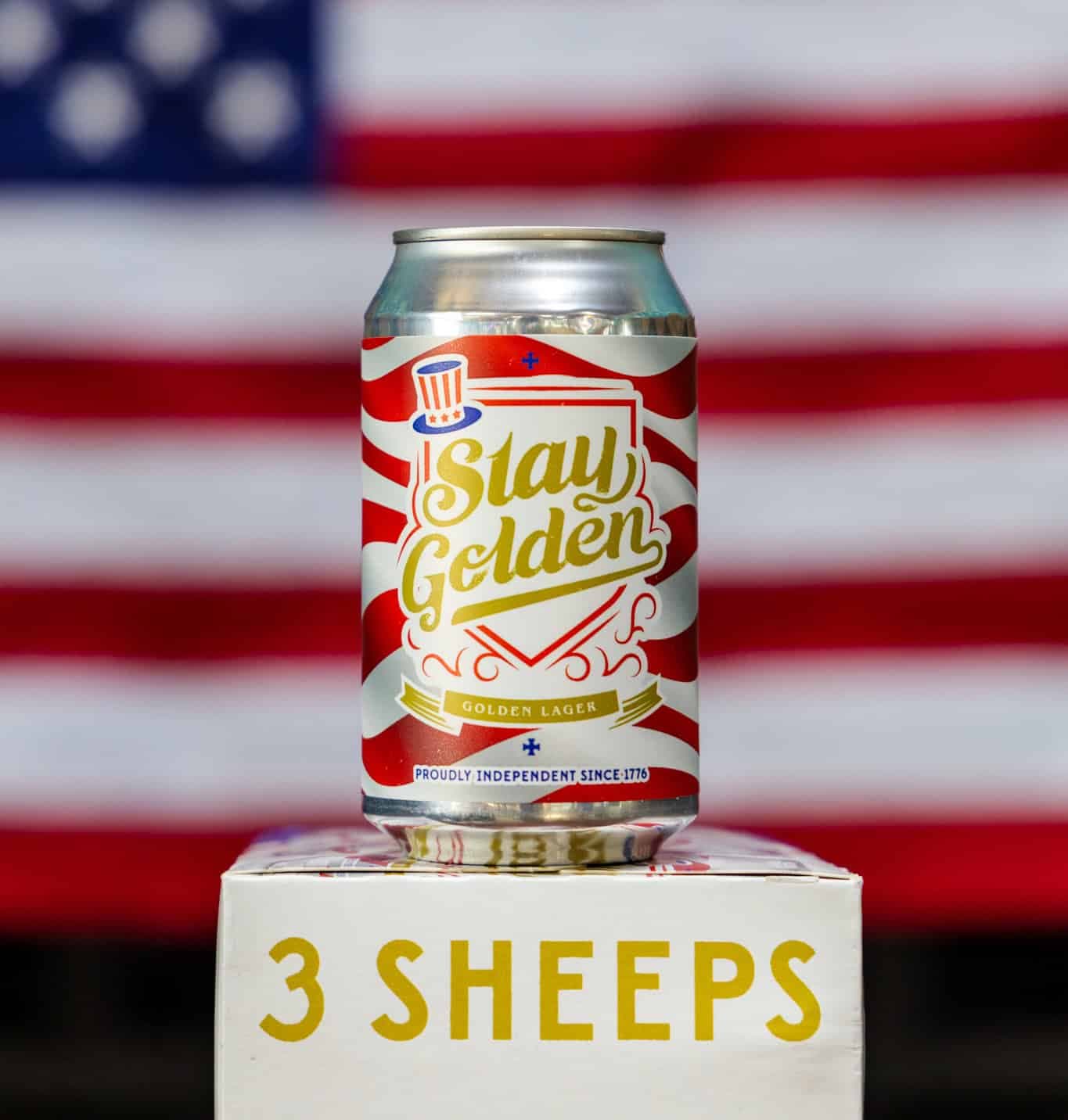
American craft beer shifts toward German and Czech lagers
American craft beer is rebalancing around crisp German and Czech lagers as IPA fatigue meets a slower market, and clean process is suddenly a selling point.

At the 2024 Great American Beer Festival, the Bohemian-Style Pilsener category drew 135 entries. The new house beer showing up in more taprooms is not another hazy IPA. It is the pilsner, the helles, the Czech-style lager that tastes simple only because the brewhouse got everything right. As American craft beer matures, breweries are betting that balance, freshness, and technical precision can pull drinkers back in when louder flavors no longer do all the work.
The market is forcing breweries to get sharper
The Brewers Association counted 9,736 small and independent breweries operating in the United States at the end of 2024, alongside 335 openings and 399 closings. That was the first year since 2005 that closings outpaced openings nationwide, and craft beer production fell 4%. Craft still accounted for 24.7% of total U.S. beer retail dollar sales.
In a softer market, breweries have been leaning harder into distribution, taprooms, brewpubs, partnerships, and broader beverage portfolios instead of betting everything on one style family. The old playbook of turning the volume up on hops has given way to something more disciplined: beers that can sell in volume, pour cleanly, and fit into a session without exhausting the drinker.
Why German and Czech lagers are winning attention
This shift is bigger than nostalgia for Pilsen or Munich. German- and Czech-style lagers bring the kind of balance that a saturated IPA market has spent years pushing to the edge. They give brewers a way to show restraint, and they give drinkers a beer that can live on a crowded tap list without shouting.
That is why the styles being favored right now tend to be the ones that reward patience and exacting process. Bohemian pilsner, German pilsner, Kölsch, and Hefeweizen have all shown up in the same conversation about sessionability and freshness, along with nonalcoholic beer in some taproom discussions. The common thread is not ABV alone, but drinkability with enough character to keep the pint interesting.
A good lager does not hide behind heavy dry-hop charge or caramel sweetness. It exposes your mash control, yeast health, fermentation temperature, and packaging discipline in a way a bigger beer sometimes forgives.
- Keep the grist simple and the water profile clean enough to let the malt read crisp, not thin.
- Ferment cold and give the beer time, because rushed lagering leaves sulfur, diacetyl, and rough edges in the glass.
- Treat freshness as part of the recipe, especially if the beer is destined for a taproom line or short distribution run.
The style guides and competition tables are already reflecting it
The Brewers Association has published beer style guidelines since 1979. The guidelines reflect historical significance, authenticity, or a high profile in the current commercial beer market.
Its 2024 beer style guidelines added Italian-style Pilsener, a clear nod to the wider continental lager family. The 2026 guidelines went further by adding Rice Lager and updating German and Belgian styles based on brewer and judge feedback.
The 2024 World Beer Cup’s German-Style Pilsener category drew 221 entries.
Taproom strategy is changing with the beer
A lot of breweries are using lagers as a taproom anchor because they work differently from hop-heavy flagships. They bring in people who want one more pint, not one more palate blast, and they make room for a second beer, a food pairing, or a non-beer option.
The old assumption was that a brewery needed a loud signature IPA to define itself. A clean lager program can do three jobs at once: it gives regulars a reliable house beer, it signals technical competence to beer nerds, and it helps the taproom feel less like a one-note hop bar and more like a place with range.
This article was produced by Prism’s automated news system from verified source data, official records, and press releases, then run through automated quality and moderation checks before publishing. The system is built and supervised by the people who set the standards it runs under. Read our full AI policy.
Did this article answer your question?