BeerSmith podcast covers advanced dry hop techniques with Michael Tonsmeire
Michael Tonsmeire breaks down the dry-hop choices that actually move aroma and flavor, from timing and temperature to oxygen control and hop creep.
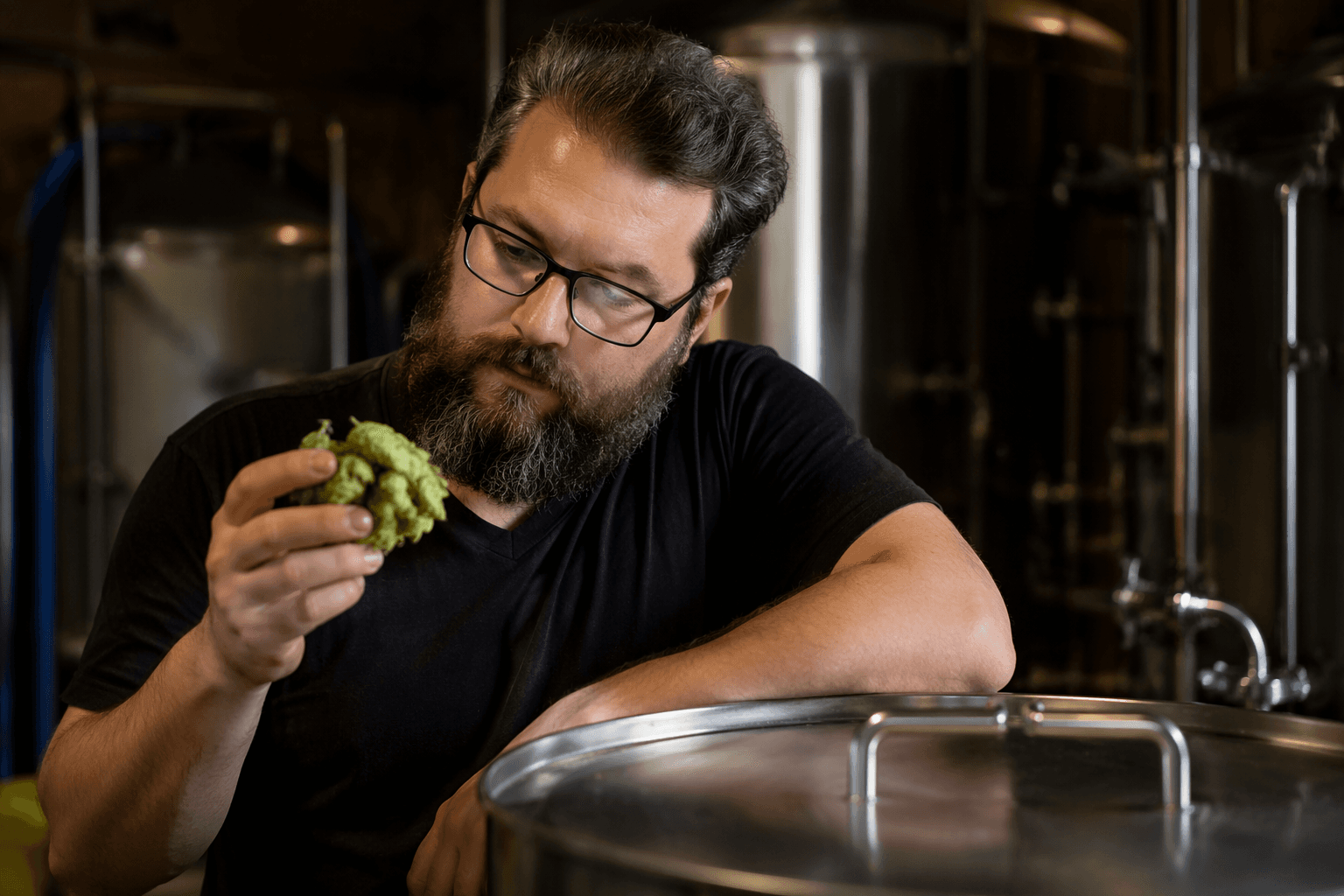
BeerSmith Podcast #344 puts Michael Tonsmeire back in the dry-hop spotlight, and this time the conversation is built for brewers who want fewer guesses and better hop aroma. The episode, titled “Advanced Dry Hop Techniques with Michael Tonsmeire,” was published on May 20, 2026 and focuses on dry hopping techniques and advanced hop products.
What advanced dry hopping is really trying to solve
Dry hopping is often treated like a simple finishing move, but Brew Your Own defines it more precisely as adding hops at the tail end of fermentation or after fermentation. That timing matters because the hop charge is not just there to make beer smell bright, it is there to interact with beer that is still changing. The result depends on time, temperature, hop quality, and quantity, which means the biggest aroma gains usually come from process control, not from throwing in more hops and hoping for the best.
That is why this BeerSmith episode lands where it does. BeerSmith describes its podcast feed as an interview series with brewing experts from around the world for beer, craft beer, and homebrew audiences, and this one fits that mission cleanly. The focus is practical brewing technique, not theory for theory’s sake, which makes it especially useful for anyone trying to stretch expensive hops further.
Timing is not a minor detail
If dry hopping happens at the tail end of fermentation or after fermentation, the exact moment you add hops changes how the beer handles hop character. Tonsmeire’s appearance is a reminder that dry hopping is not one fixed step, because active beer behaves differently from finished beer. For homebrewers, that means the timing decision should match the effect you want, whether that is more lift, a softer integration, or a cleaner aroma impression.
This is also where the episode’s “advanced” framing matters. The gain is not just from using a dry-hop charge, it is from choosing when that charge enters the beer. In a process where time is already a named variable, a few extra days or a rushed pull can change the result enough to make a hop bill feel either vivid or muted.
Temperature, contact time, and hop quality do more work than most people think
Brew Your Own points to temperature, hop quality, and quantity as key variables, and that is where a lot of dry-hop myths start to fall apart. Temperature influences how aggressively hop character moves into the beer and how the finished beer presents those aromas. Contact time matters too, because dry hopping is not about endlessly soaking hops until the beer improves by default.
Hop quality is the part many brewers underplay. The best technique in the world cannot fully rescue tired hops, and quantity alone cannot fix poor storage or stale character. This is the kind of practical reality Tonsmeire is known for exploring through The Mad Fermentationist blog and his Advanced Brewing column for Brew Your Own, both of which have long leaned into the details that separate decent beer from dialed-in beer.
Oxygen control is the difference between bright aroma and faded aroma
Advanced dry hopping only pays off if the beer keeps the aroma it gains. Oxygen is the enemy here, because hop character is easiest to lose when beer is exposed during a transfer, a hop addition, or a packaging step that is not tightly controlled. That is why dry hopping belongs in the same conversation as process hygiene and careful handling, not just ingredient choice.
The practical takeaway is simple: every time the beer is opened up, aroma has a chance to slip away. That is especially true when chasing expressive hop character in fresh hoppy ales, the kind of beers Sapwood Cellars says it specializes in at its Columbia, Maryland brewery. The point is not to turn dry hopping into a fragile ritual, but to treat oxygen control as part of the recipe, not an afterthought.
Hop creep is a flavor issue and a process issue
The episode also covers advanced hop products, which puts hop creep squarely in the conversation. Hop creep is one of those terms that can sound niche until it shows up in a fermenter, where extra enzymatic activity can keep beer moving after the brewer thinks fermentation is done. That can change body, dryness, and aroma in ways that are easy to underestimate.
Advanced hop products can widen the options available to brewers, but they do not remove the need to manage the beer around them. This is where Tonsmeire’s background matters: he is co-founder of Sapwood Cellars, which says it specializes in fresh hoppy ales and barrel-aged sour beers, and he also wrote American Sour Beers, published in 2014. A brewer working across hoppy beer and mixed-fermentation beer is exactly the kind of voice that can connect aroma goals to the stability problems that follow them.
Why this conversation keeps coming back
BeerSmith has been here before. Episode #324, published on April 28, 2025, also featured Michael Tonsmeire and focused on dry hopping beer, which shows that this is not a one-off topic for the show. BeerSmith’s return to the subject in episode #344 suggests that dry hop technique remains one of the most valuable levers homebrewers can pull when they want better aroma without wasting hops.
That is the core lesson of the new episode: the hop bag matters, but the process matters more. Tonsmeire’s dry-hop advice, paired with BeerSmith’s straight-ahead interview format, keeps the focus on the variables that actually change the glass, especially timing, temperature, contact time, oxygen control, and hop creep. For anyone trying to make the next batch smell as good as it tastes, that is where the expensive hops start earning their keep.
This article was produced by Prism’s automated news system from verified source data, official records, and press releases, then run through automated quality and moderation checks before publishing. The system is built and supervised by the people who set the standards it runs under. Read our full AI policy.
Did this article answer your question?