Benchtop malting system shows strong promise for early barley screening
A 3-gram barley test tracked micro-malting closely enough to speed early screening and cut a long breeding bottleneck.

A smaller sample, a bigger pipeline shift
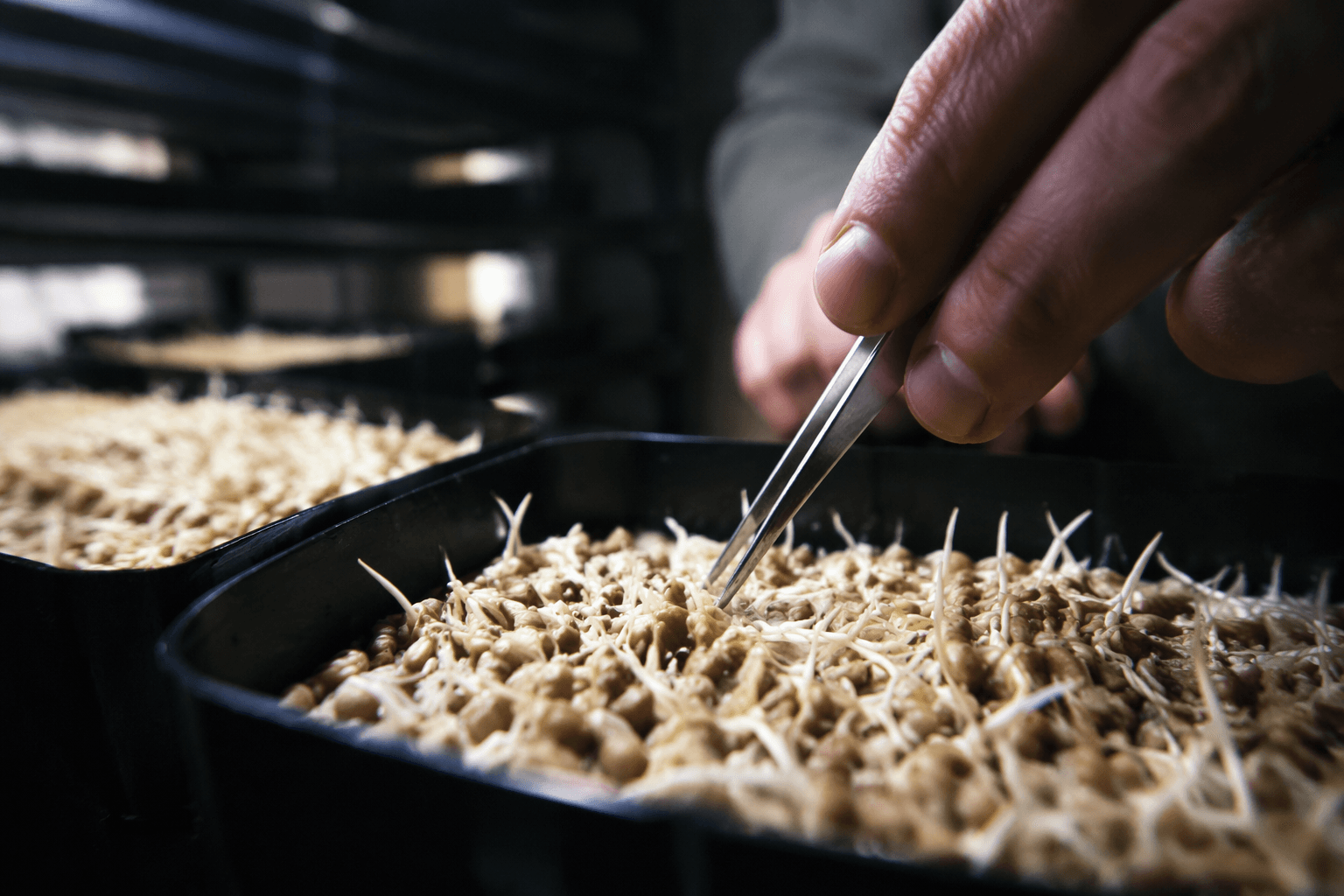
A 3-gram barley sample is not much to work with, but this benchtop malting system is proving it may be enough to sort promising lines early and move the right ones forward faster. For brewers, that is the real prize: shorter variety-development cycles, better odds of resilient grain getting through the pipeline, and a quicker path to new malt profiles reaching the brewhouse.
The new study, titled *A Case Study: Benchtop Malting System for Early-Generation Malt Quality Screening*, comes from Heena Rani, Sarah J. Whitcomb, and Jason G. Walling of the USDA Agricultural Research Service’s Cereal Crops Research Unit in Madison, Wisconsin. It tested 45 two-row barley breeding lines and found that the benchtop method tracked closely with micro-malting for the traits that matter most when you are deciding whether a line deserves more attention.
What the tiny test got right
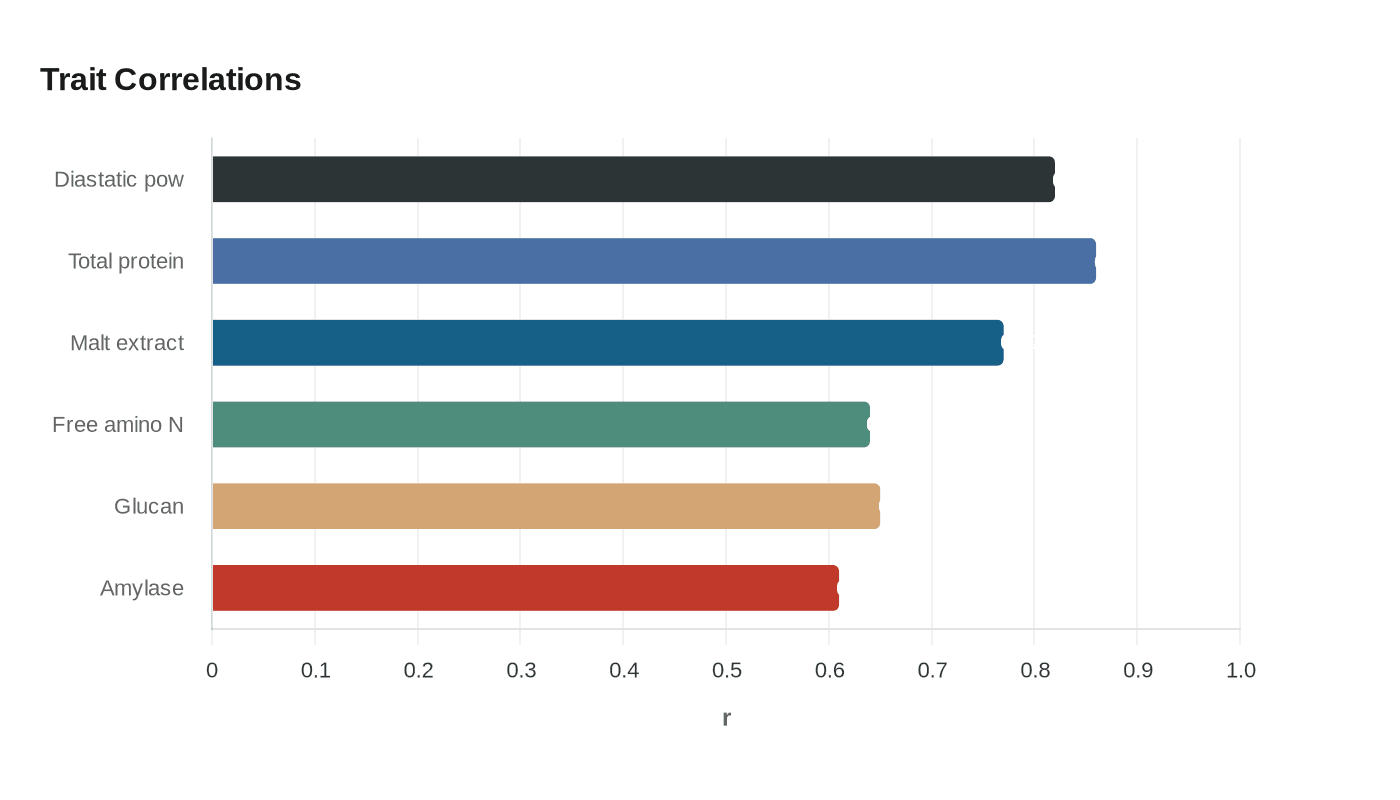
The strongest takeaway is the correlation data. The benchtop system showed strong correlations with micro-malting for diastatic power at r = 0.82, total malt protein at r = 0.86, and malt extract at r = 0.77. Those are not throwaway numbers. In brewing terms, they point straight at conversion potential, fermentability, and the extract the malt can actually deliver in the brewhouse.
It also posted moderate correlations for free amino nitrogen at r = 0.64, -glucan at r = 0.65, and -amylase at r = 0.61. Those traits still matter because they shape wort nutrition, filtration behavior, and starch breakdown, but they are also the kind of measurements that can get noisy if the post-malting handling is not aligned between methods.
The authors note that some of the weaker relationships may have come from differences in post-malting analytical protocols. That detail matters, because it suggests the benchtop system itself was not the only variable in play. When the team reanalyzed a subset of 15 genotypes using identical post-malting methods, correlation strength improved across all malt-quality parameters, which is exactly the sort of result breeders want to see before trusting a faster workflow.
Why brewers should care about a breeding tool
This is not just a lab efficiency story. USDA’s interpretive summary says the breeding process from initial cross to public release can take more than 10 years, and full-scale malt-quality testing can become a bottleneck when thousands of early-generation samples need screening. That is the choke point this system is aiming at.
The agency says the benchtop setup can be assembled with commonplace equipment, and that it reduces costs, labor, and turnaround time. USDA also says full-scale malt-quality testing can exceed several thousand dollars per year, which is enough to slow decisions when breeders are looking at huge numbers of lines and trying to separate real candidates from dead ends. If a line can be rejected or advanced earlier, that saves time not just in the breeding program, but all the way down the supply chain.
For brewers, faster screening means the upstream part of the grain business can respond more quickly to what the industry actually needs. If climate pressure is pushing for more resilient barley, or if maltsters want lines with a different protein balance, enzyme package, or extract profile, the faster you can sort the field, the sooner those traits can become commercially relevant.
How this fits into the sample-size arms race
The sample size is where this story gets especially interesting. USDA’s Cereal Crops Research Unit says its conventional early-generation malting work typically uses 170 g dry-basis samples. That is a perfectly normal research scale, but it is still large enough to create a real burden when the breeding program is staring at thousands of early-generation entries.
The benchtop approach is designed for far smaller sample sizes, and that is part of the point. A separate 2025 USDA publication described an earlier low-cost bench-top malting protocol using a standard laboratory water bath, and said it uses smaller amounts of barley, water, energy, and space while still working well for early-stage screening and training. In other words, this is not a one-off gadget. It is part of a broader push toward compact, lower-cost malt evaluation that can fit the pace of modern breeding.
Montana State University’s barley breeding program gives a useful comparison here. Its “pico malting” scale for early-generation breeding data uses just 5.6 g barley samples. Put beside that, the USDA’s 3 g benchtop test looks like the next step in shrinking the amount of grain needed to make an informed call. The direction of travel is clear: breeders are trying to make meaningful malt-quality decisions with less grain, less equipment, and less wait time.
What that means for maltsters and the beer shelf
The practical upside is not just speed. If early screening gets cheaper and easier, more lines can be evaluated without forcing the program to bet heavily on a few oversized samples. That raises the odds of finding barley that holds up under stress, performs cleanly in the malt house, and gives brewers more room to work with flavor, body, and process performance.
For breweries, that could mean more variety in the malt stream, not less. Better screening can help push forward barley with useful enzyme levels, better extract potential, or altered protein behavior that gives maltsters and brewers new options instead of the same narrow set of familiar choices. In a category that lives and dies on process consistency, that kind of upstream innovation matters.
The bottom line
A 3-gram benchtop test will not replace every malting assay, but it does look strong enough to change how early barley lines are handled. If the industry can sort promising material sooner, the result is a more efficient breeding pipeline and a better shot at getting resilient grain and new malt profiles into production before the next decade slips by.
This article was produced by Prism’s automated news system from verified source data, official records, and press releases, then run through automated quality and moderation checks before publishing. The system is built and supervised by the people who set the standards it runs under. Read our full AI policy.
Know something we missed? Have a correction or additional information?
Submit a Tip