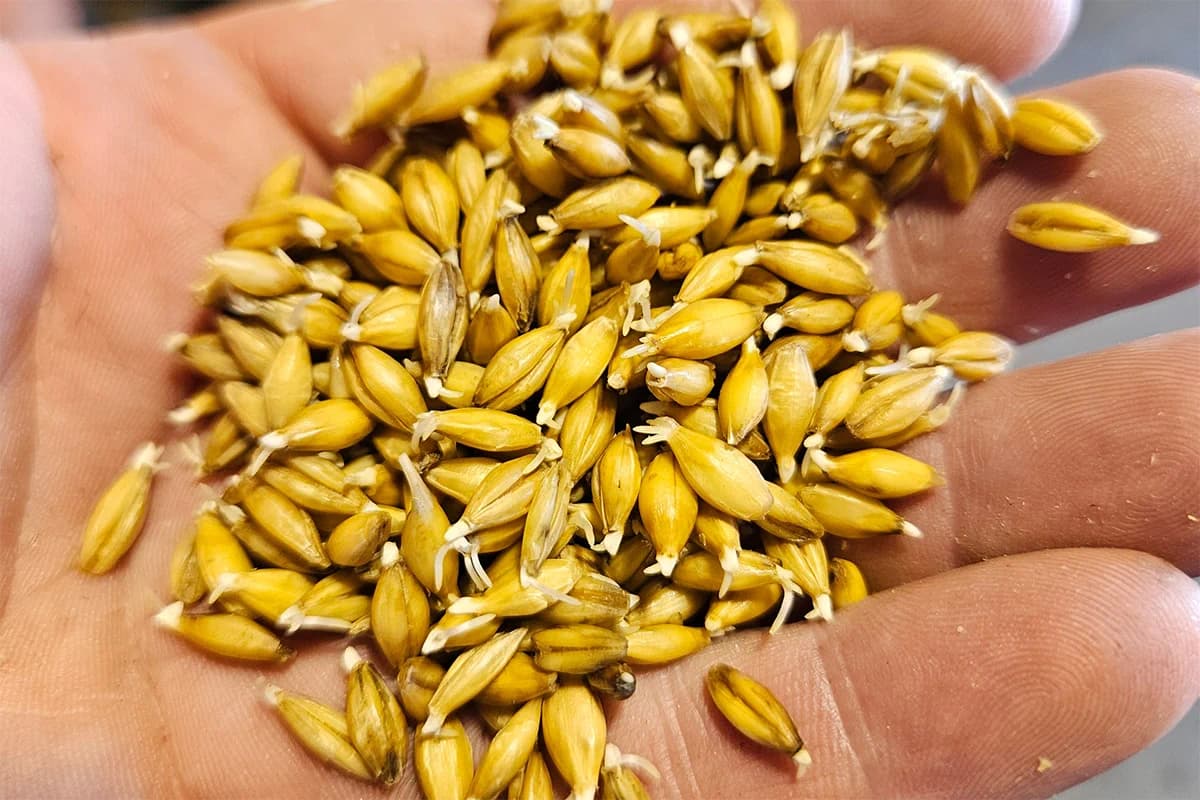
Chuckanut and Icicle brew a Franconian lager collaboration
Chuckanut and Icicle's new Franconian lager turns a collaboration into a style lesson, with a June 5 tapping in Leavenworth and a clear nod to old-world discipline.
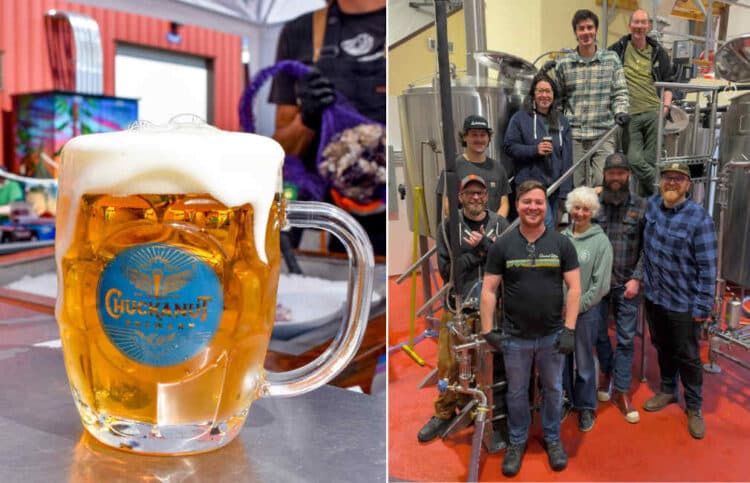
A collaboration with a purpose
Chuckanut and Icicle have turned a regional collaboration into a lesson in lager style. Their Franconian Lager lands at 5% ABV and 23 IBUs, with Chuckanut describing it as “golden, crackery, smooth, clean,” and built on Bamberger Pilsner, Weyermann Barke Vienna, Spalt, and Hersbrucker hops.
That ingredient list tells you almost everything about the intent. This is not a loud, hop-forward release trying to win attention by force; it is a beer designed to show restraint, balance, and a distinctly old-world sense of place. Chuckanut’s description also points to a bready malt character and a polite hop finish, which is exactly the kind of language that separates a Franconian lager from the looser, catch-all label of “craft lager.”
Why Franconia matters to the glass
Franconian lager makes more sense once you look at where it comes from. Franconia’s tourism materials say the region has more breweries per square kilometer than any other area in Europe, and Upper Franconia is described as having more than 200 breweries and the highest brewery density in the world. That density is not just a trivia point; it explains why beer in this part of Germany has long been treated as a local language rather than a marketing category.
The region’s brewing culture goes back deep into monastic tradition, with materials from Franconia noting that medieval monasteries brewed a range of beers, including Bock. Bamberg adds another layer to the story. Schlenkerla notes that July 23, 1635 was when the first smoke-free malt-drying machine was patented, a moment that made smoked beer rarer while Bamberg preserved the fire-kiln method that kept its own brewing identity intact.
That history helps define what drinkers are tasting when they encounter a Franconian lager. It is not simply “German lager” with a rustic tag attached. It is a style rooted in locality, where malt character, clean fermentation, and a sense of regional continuity matter as much as aroma or bitterness.
Why this collaboration lands now
The timing of the Chuckanut and Icicle beer says as much as the recipe. Industry coverage says Chuckanut invited Icicle Brewing to its Skagit Valley brewery in March 2026 to collaborate on the beer, and the release was brewed in March before being rolled out on draft and in cans. The beer is already listed on Chuckanut’s site, and the official tapping is set for June 5, 2026 at Icicle Brewpub in Leavenworth, Washington, at 5:30 p.m., followed by live music at 6 p.m.
That matters because the collaboration is doing two jobs at once. It gives local drinkers a new seasonal release, and it gives beer fans a reason to think more carefully about fermentation, lager character, and regional brewing history. In a crowded market where “craft lager” can mean almost anything, a Franconian lager offers specificity, and that specificity is the point.
The style also fits a broader trend in brewing right now: respected breweries are leaning into narrowly defined old-world traditions because they still carry meaning. A beer like this invites conversation without needing gimmicks. It asks drinkers to notice how the malt reads, how the hop finish supports rather than dominates, and how a clean lager can still have personality when the recipe is disciplined enough to let the ingredients speak.
What homebrewers can take from it
Franconian lager is a useful style lesson precisely because it rewards precision. The grist here is not trying to do everything at once, and that restraint is part of the appeal. Bamberger Pilsner and Weyermann Barke Vienna point to a pale, focused malt base that still has enough depth to keep the beer from tasting empty, while Spalt and Hersbrucker support the beer without turning it into a hop showcase.
For homebrewers, the big takeaway is discipline over decoration.
- Build the beer around clean malt character first, then let the hops frame it.
- Aim for “golden, crackery, smooth, clean” rather than pushing body, sweetness, or bitterness past the style’s comfort zone.
- Treat the finish as part of the recipe, not an afterthought. A polite hop finish is a feature here, not a compromise.
- Resist the urge to overload the beer with specialty malts or aggressive hopping when the style’s strength is balance.
That kind of restraint can be harder than chasing intensity. A Franconian lager only works when the brewer trusts the process enough to leave space for clarity, texture, and drinkability to show up on their own. For a homebrewer, that makes it a valuable style to study, because it exposes every shortcut and every careful choice.
A style lesson disguised as a release
The bigger story in Chuckanut and Icicle’s Franconian Lager is not just that the beer exists, but that it uses a collaboration to point drinkers toward a brewing tradition many people barely know by name. Nuremberg’s official tourism site says the Franconian Beer Festival runs June 3 through 7, 2026, with 40 local breweries pouring more than 100 types of beer, which is a reminder of how dense and active the region’s beer culture remains.
That is why this release stands out. It is local in Washington, but it reaches back to Franconia’s long brewing memory, where density, tradition, and style discipline still shape what beer means. Chuckanut and Icicle have given their fans a fresh pint, but they have also handed them a clear example of how a well-made lager can carry history without ever feeling academic.
This article was produced by Prism’s automated news system from verified source data, official records, and press releases, then run through automated quality and moderation checks before publishing. The system is built and supervised by the people who set the standards it runs under. Read our full AI policy.
Did this article answer your question?