Cold-liquor tanks help breweries chill wort and save energy
The cold-liquor tank is the quiet piece of gear that makes fast chilling, cleaner fermentation, and lower utility bills possible.
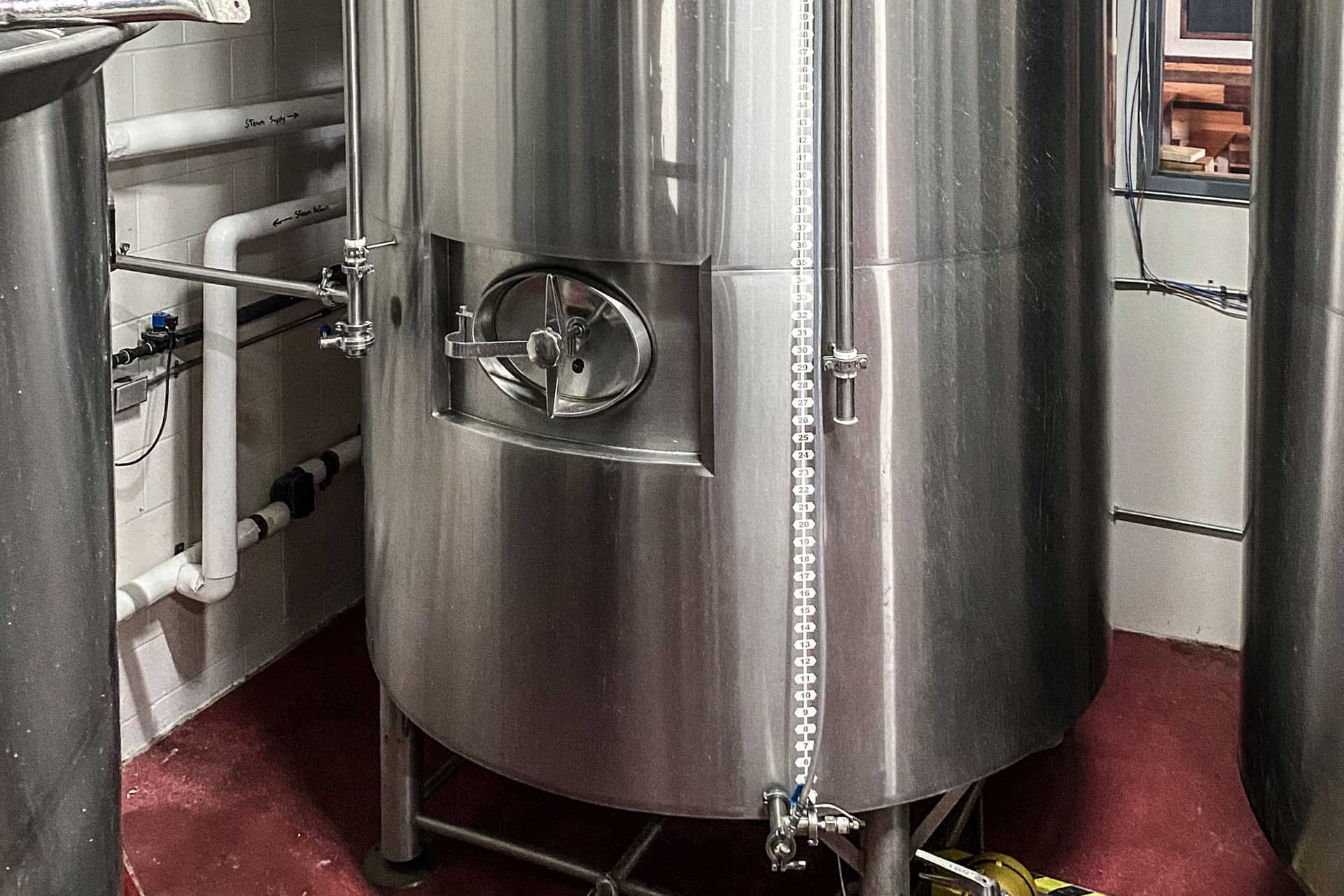
Cold-liquor tanks are the hidden variable in a brewery’s cold side. They do not get the glamour of shiny fermenters or the attention given to hop schedules, but they shape how fast wort comes down in temperature, how hard yeast has to work, and how repeatable the brewhouse feels from batch to batch. If you have ever chased a hot summer knockout, fought sluggish fermentation, or watched utility costs climb while the beer still needed to cool, you have already met the problem a CLT is built to solve.
Why the cold-liquor tank matters
At its simplest, a cold-liquor tank is a large water storage tank, usually one of the first stages in the brewing process. In brewery language, it is not just “cold water on hand.” It is a thermal buffer, a place to store chilled liquor so the brewhouse can move heat out of boiling wort quickly and predictably. That matters because temperature swings are not harmless. They can encourage oxidation, give unwanted organisms a better opening, and stress yeast in ways that lead to off-flavors or sluggish fermentation.
That is why Mark Fischer, the brewery operations director at Firestone Walker Brewing Company, describes the process in such plain terms: “the brewing process starts with making freezing-cold water.” It is a blunt way of saying the real work begins before the wort ever reaches the fermenter. The cold side is not an afterthought. It is the system that decides how cleanly the hot side ends.
How the system actually works
In practical brewery design, the CLT is commonly paired with a plate heat exchanger. The chilled liquor absorbs heat from boiling wort, then the warmed liquor can be captured in the hot-liquor tank, or HLT, for later use. That loop is where the tank stops being a passive reservoir and starts acting like a piece of energy machinery. Instead of treating water as a one-way consumable, the brewery uses it twice, first to pull heat out of wort and then, after it has warmed up, to support the hot side.
Thermaline’s guidance is straightforward: a properly sized plate heat exchanger can chill wort to knockout temperature. Its CLT material also describes the tank as one of the first stages in brewing and says it may be cooled by glycol jackets or an external plate heat exchanger. In other words, the tank can be cold because of direct refrigeration or because it is tied into a broader cooling system, but the point is the same: give the brewhouse a reliable source of low-temperature water before the kettle run ends.
ProBrewer discussions describe cold-liquor tanks as buffer tanks that contain cold water used to cool wort down into a fermentable temperature range after boiling. Brewers on that forum also point out a very practical use case: when city water runs warm in summer, the CLT becomes the difference between acceptable knockout temperatures and the warm, frustrating water many breweries get from the tap. It can also help knock out wort colder than groundwater alone would allow.
Sizing, temperature, and the part people get wrong
This is where the CLT becomes a systems tool rather than a big insulated box. A common rule of thumb from ProBrewer is about 1.1 to 1.3 liters of chilled liquor for every liter of hot wort, with total tank volume often approaching about twice the wort volume. That ratio tells you something important: chilling is not a tiny support task. It is a major process load, and undersizing the tank or the exchanger makes the whole system feel sluggish.
Temperature targeting matters just as much. ProBrewer guidance says a good heat exchanger can cool wort to around 5°F above the cold-liquor temperature, which means overchilling the CLT is wasted energy. If the water in the tank is much colder than the system actually needs, you are paying to make extra cold you never use. The smarter move is to size the tank and set the target temperature so the exchanger does its job efficiently without turning the refrigeration plant into a brute-force solution.

Thermaline’s example of a two-stage brewhouse shows how this can play out in the real world. Cold liquor can cool roughly 212°F wort, then the warmed liquor can be reclaimed at 160°F or greater for the HLT. That is a very brewer-friendly number because it shows the tank is not just helping with knockout, it is feeding heat back into the brewhouse instead of letting it disappear down the drain.
What homebrewers can steal from the idea
You may not be installing a stainless CLT in the garage, but the logic absolutely carries over. The homebrew version of the same problem is deciding how to manage chilling water, keep temperatures stable, and hit the same knockout point every time. If your tap water swings wildly by season, or if your immersion chiller seems to work one month and struggle the next, you are dealing with the same hidden variable breweries solve with a CLT.
A few practical takeaways translate cleanly:
- If your groundwater is warm, pre-chill your chilling water or stage it in a cold reservoir before brew day.
- Match your chiller to the volume you actually brew, not just the fanciest spec on the box.
- Focus on repeatability. The goal is not the coldest possible water, it is the same knockout temp, batch after batch.
- Watch how fast you move through the hot-to-cold transition, because the faster, cleaner drop helps protect aroma, yeast health, and consistency.
That last point is the one a lot of homebrewers miss. Chilling is not only about getting to pitching temperature. It is about getting there cleanly, with less opportunity for oxidation and less thermal stress on the yeast. Breweries build expensive infrastructure around that idea because it affects flavor, fermentation performance, and yield all at once.
The energy payoff is bigger than it looks
The best argument for a CLT is not that it looks impressive on a brewery tour, because it does not. The best argument is that it quietly improves the whole brewhouse. Thermaline says a CLT paired with an HLT can reduce water consumption and energy demand by capturing spent cold liquor and reusing the warmed water. Frontiers’ 2022 craft-brewing analysis makes the same point in systems language, describing heated cold liquor being sent to the hot-liquor tank as part of the brewery water-energy nexus.
That is the part worth remembering. A cold-liquor tank is not just there to make wort colder. It helps breweries move heat around intelligently, lower waste, and keep the cold side predictable when summer weather, changing water temperatures, or bigger batch volumes try to throw everything off. The unglamorous stainless box is doing the job that keeps the rest of the brewhouse honest, and the beer better for it.
This article was produced by Prism’s automated news system from verified source data, official records, and press releases, then run through automated quality and moderation checks before publishing. The system is built and supervised by the people who set the standards it runs under. Read our full AI policy.
Did this article answer your question?