Craft Beer Faces Mixed Q1 Sales as Daycap Trend and Rebrands Reshape Industry
Craft beer posted mixed Q1 off-premise numbers while the new "daycap" trend pushes brands toward lower-ABV daytime drinks.
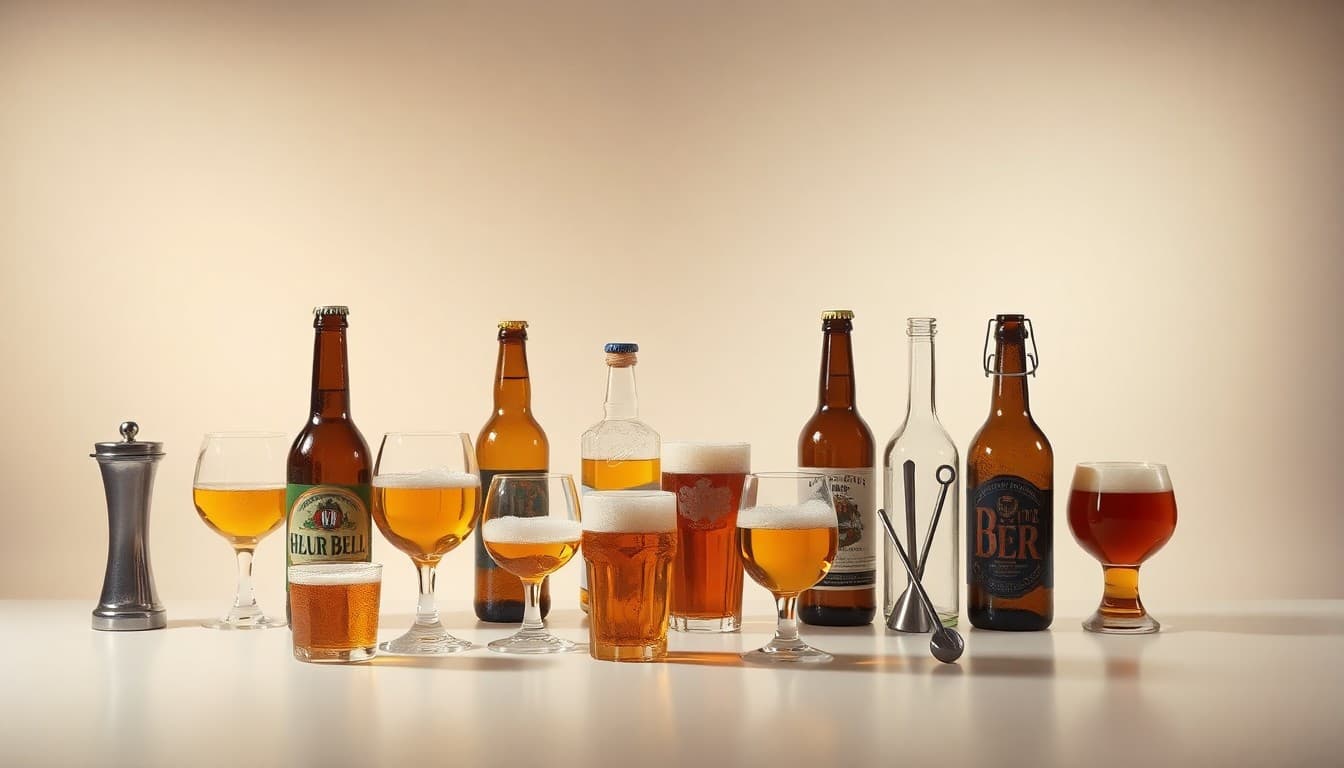
Q1 off-premise retail data for craft beer came in mixed, and the Brewbound podcast team spent its April 9 episode laying out exactly what's being reshuffled in response: distribution collectives gaining leverage, regional breweries pivoting to beverage platforms, and a new consumer ritual called the daycap that's beginning to reshape how brands build their SKU rosters.
The daycap concept, lower-ABV beverages explicitly positioned for daytime drinking occasions, surfaced as one of the episode's clearest emerging growth signals. It's not just a marketing frame; it's a product development directive. Brands chasing daytime shelf real estate are shrinking ABVs, adding functional-adjacent ingredients, and rethinking when, not just where, their beers get consumed. If you're watching shelf trends as a recipe compass, the daycap is the sharpest signal Q1 produced.
Three styles map cleanly onto this moment. A session IPA targeting 3.5-4.0% ABV hits the daycap sweet spot without sacrificing hop presence if you load the dry-hop post-fermentation: Mosaic and Citra at 1.5 oz per gallon keep the aroma aggressive enough that the lower alcohol reads as intentional rather than thin. A modern pilsner at 4.2-4.5% is arguably the format most aligned with off-premise shelf velocity right now; lager yeast pitched cold at 48-50°F and late Hallertau Blanc or Saphir additions read fresh without swinging aggressively craft. The third template is a low-ABV hazy at 3.2-3.8%, where the key is accepting a slightly fuller body from unfermented dextrins by mashing at 156-158°F, which compensates for the reduced alcohol warmth and keeps the mouthfeel from falling flat.
Abita's rebrand to Abita Beverage Group, with a stated capacity target of 170,000 barrels, is the most concrete commercial signal of where regional brewers think the shelf is heading: away from beer-only positioning and toward broader beverage portfolios that can absorb mixed retail results without losing distribution leverage. BrewDog, now operating under Tilray ownership, is working through a parallel identity negotiation, trying to hold legacy craft credibility while adapting to corporate-scale strategy.
Distribution got significant attention in the episode too. Frontier Beverage Collective was cited as an example of a collective model acting as a critical intermediary for mid-sized breweries that can't justify building full distribution infrastructure. If you're somewhere in the hobbyist-to-commercial pipeline, the collective model is worth tracking closely: it's a structural path to retail presence that didn't exist in the same form five years ago.
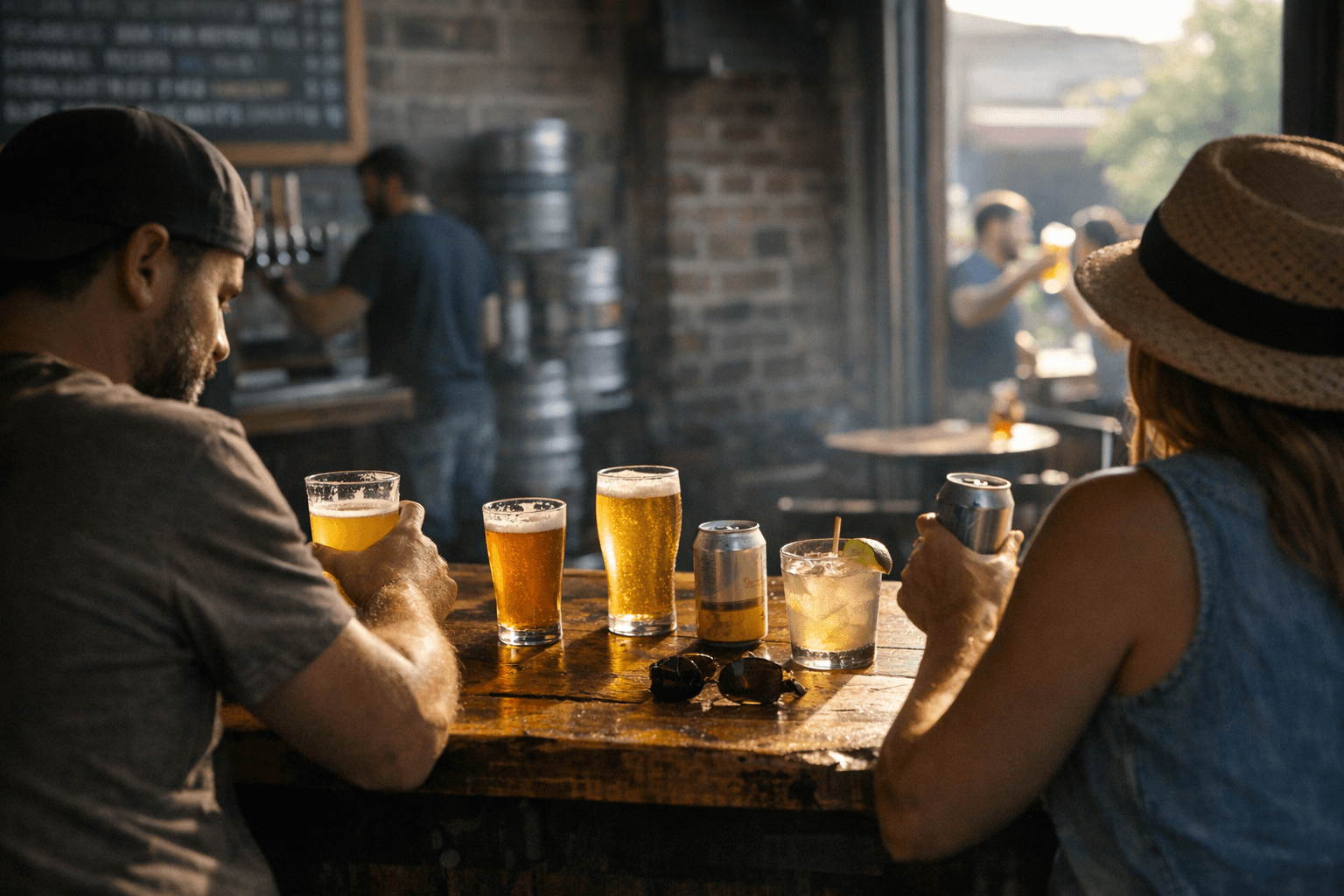
Package format is where the daycap trend intersects most directly with off-premise shelf data. Smaller packs and variety packs are outperforming in velocity metrics, which lines up with the daytime occasion logic: consumers buying for a single afternoon aren't reaching for a 12-pack. If you're piloting a commercial recipe, the 6-pack or 4-pack 16-oz can format is where the trend data points.
The mixed Q1 numbers aren't a crisis, but they are a compass reading. The breweries already trimming ABV and rethinking pack size will be positioned to read the next data drop with far fewer surprises.
This article was produced by Prism’s automated news system from verified source data, official records, and press releases, then run through automated quality and moderation checks before publishing. The system is built and supervised by the people who set the standards it runs under. Read our full AI policy.
Did this article answer your question?