Federal appeals court ends home distilling ban with permit approval
A Fifth Circuit ruling cracked open home distilling, but TTB permits, taxes, and a conflicting Sixth Circuit decision keep the stills parked.
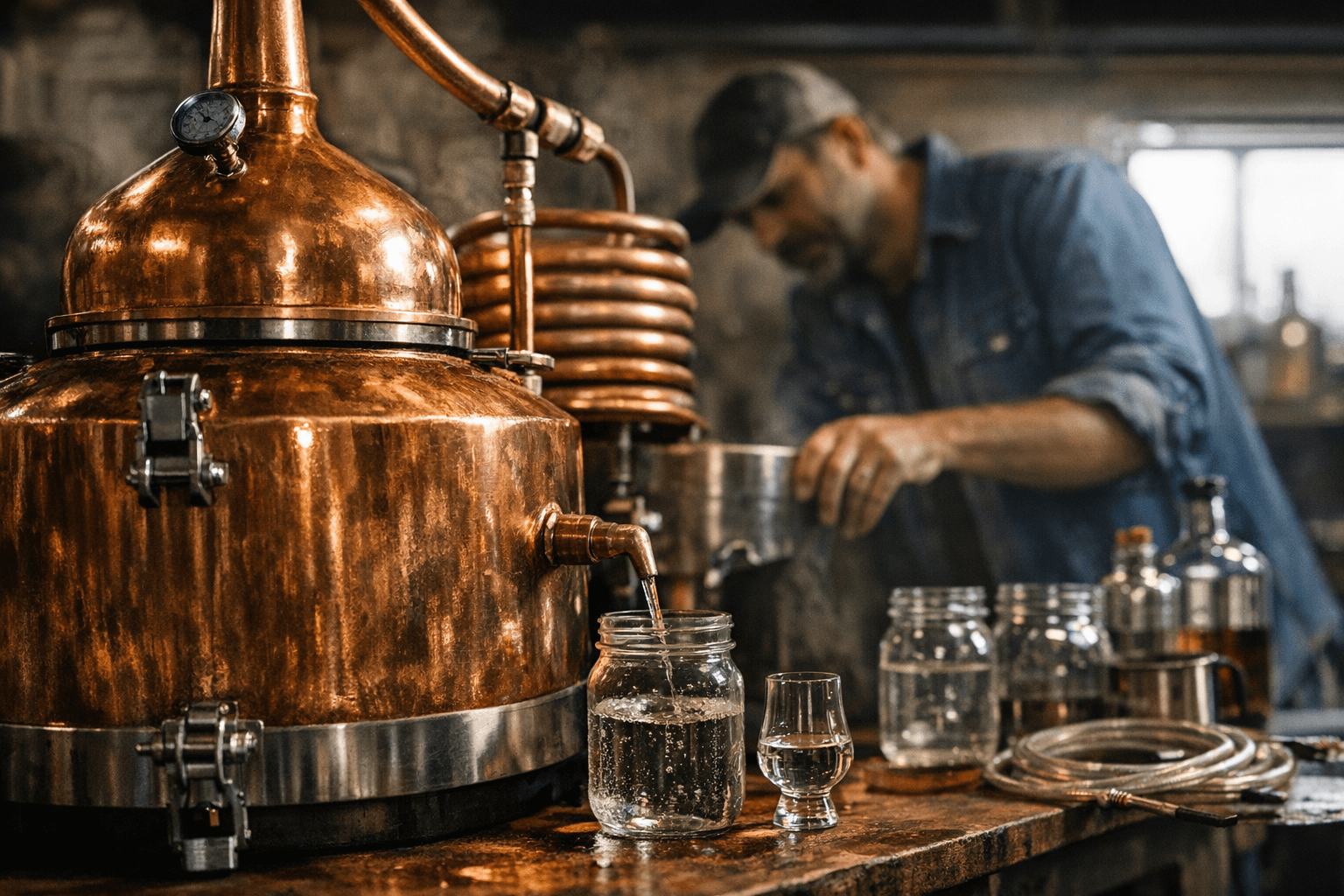
A federal appeals court in New Orleans knocked down the 1868 home-distilling ban, siding with the Hobby Distillers Association and four members who wanted to make spirits at home, including Rick Morris, a bourbon steward and still maker. The Fifth Circuit said Congress had pushed too far with a prohibition that carried up to five years in prison and a $10,000 fine, and held that the law was not a proper use of federal taxing power.
That ruling was a real break from the old regime, but it did not hand hobbyists a blank check to fire up a still in the garage tomorrow. The court took aim at the federal restriction on locating a distilled spirits plant in a dwelling or connected enclosure, not at every permit and tax rule around spirits production. TTB permit requirements still matter, and the remaining compliance stack includes excise taxes, records, reports, and state and local licensing, which is where most would-be home distillers are still going to hit the wall.
Then the legal picture split in two. On April 21, the Sixth Circuit in John Ream v. Treasury upheld the same 1868 ban in a 2-1 decision, with Judge Kethledge writing that the law remained a “necessary and proper” means of collecting the federal excise tax on distilled spirits. Ream, an Ohio brewery and taproom owner, had challenged the ban because he wanted to distill whiskey at home for personal use, and the split now points this issue toward the Supreme Court instead of a clean nationwide green light.
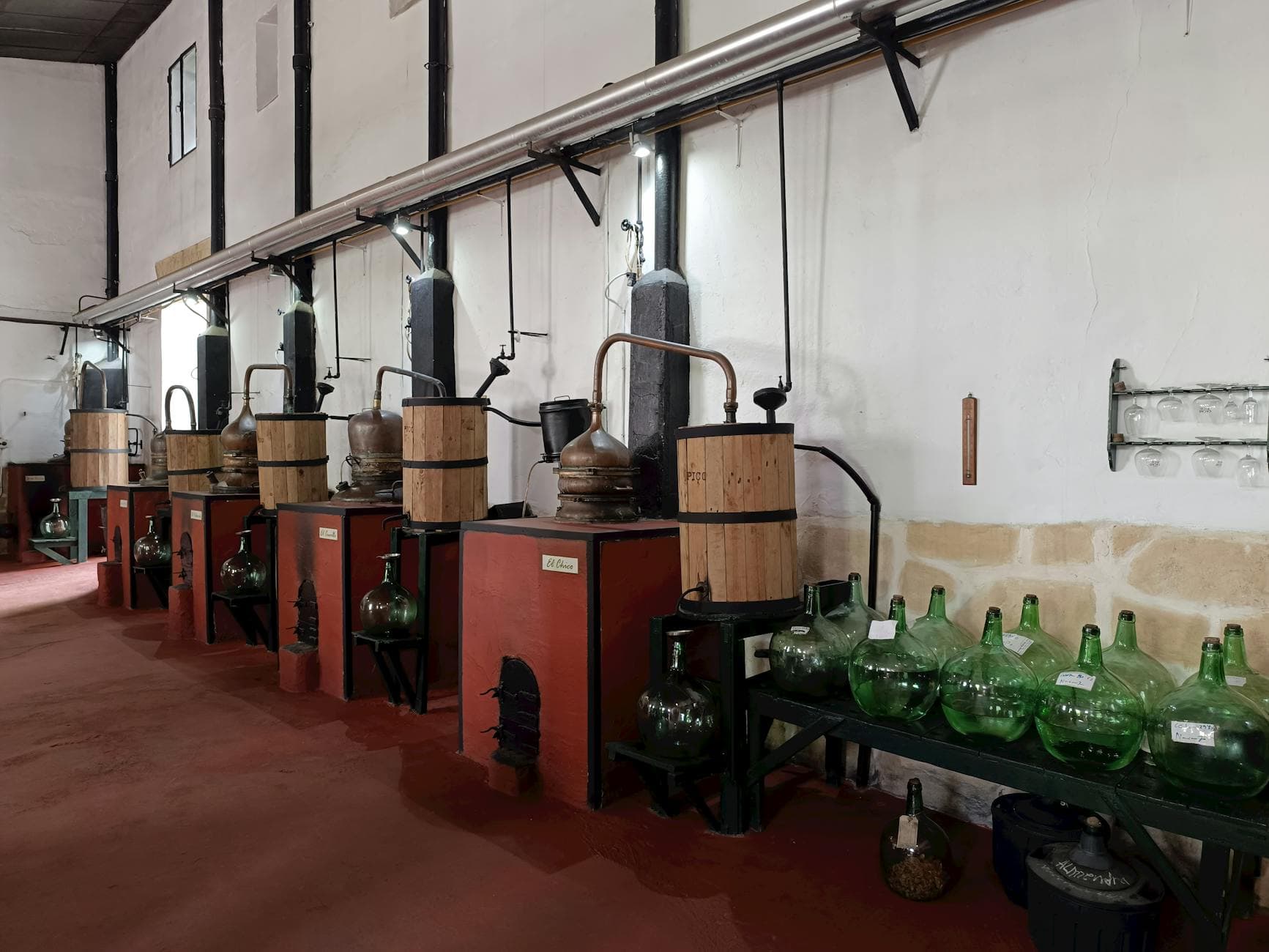
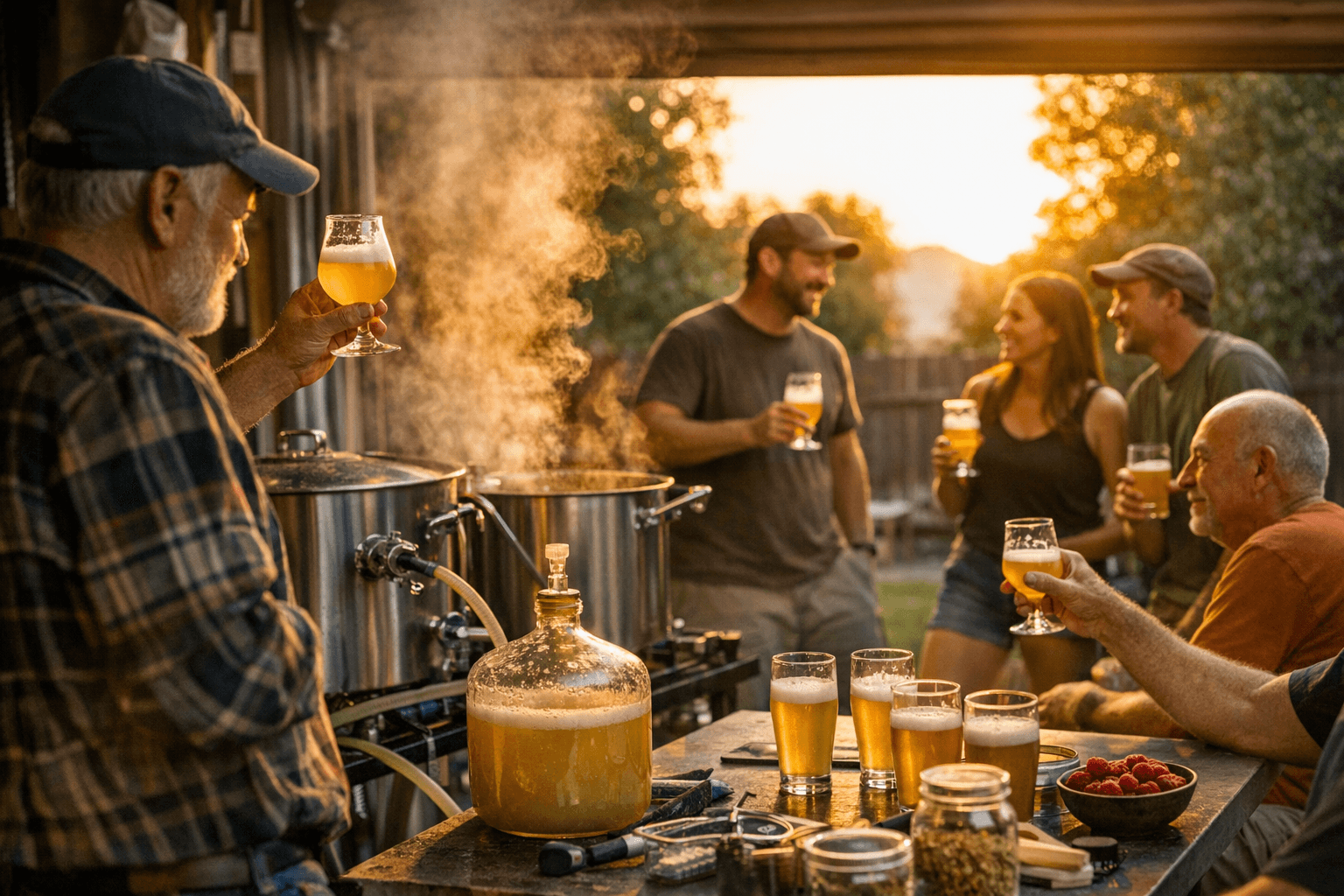
For homebrewers, the crossover matters because beer, cider, and mead still live in a different legal lane from spirits. The Fifth Circuit decision opened a narrow path for permit-seeking distillers inside that circuit, but it did not erase federal tax obligations, label and formula rules, or the fact that most states still ban home distillation outright. The big change is not that garage distilling is suddenly legal everywhere. It is that the old federal wall now has a crack in it, and another appeals court just helped widen the fight over whether that crack becomes a door.
Know something we missed? Have a correction or additional information?
Submit a Tip