Ferment homebrewing masterclass tackles boiling sugar water in brewing
Ferment’s sugar-water lesson is really a lesson in the boil, giving intermediate homebrewers the structure that scattered tips usually miss.
Ferment is betting on the unglamorous part of brewing
Ferment is making a smart move here: it is not treating homebrewing as a pile of random hacks, but as a skill set that can be taught in order. The latest installment in its multi-part masterclass zeroes in on boiling sugar water, a topic that sounds basic until you remember how many homebrew kits used to gloss over exactly this step.
That is the real value of the format. Ferment, published by Beer52 and billed as the UK's No.1 craft beer magazine, already talks the language of breweries, beer history, brewing science, and practical tips. With issue 130 carrying a Siren Time Hops theme and the magazine listed as a roughly 100-page monthly, it is trying to do more than entertain readers between pours. It is trying to become a place where homebrewers can actually build competence.
Why sugar water matters more than it sounds like it should
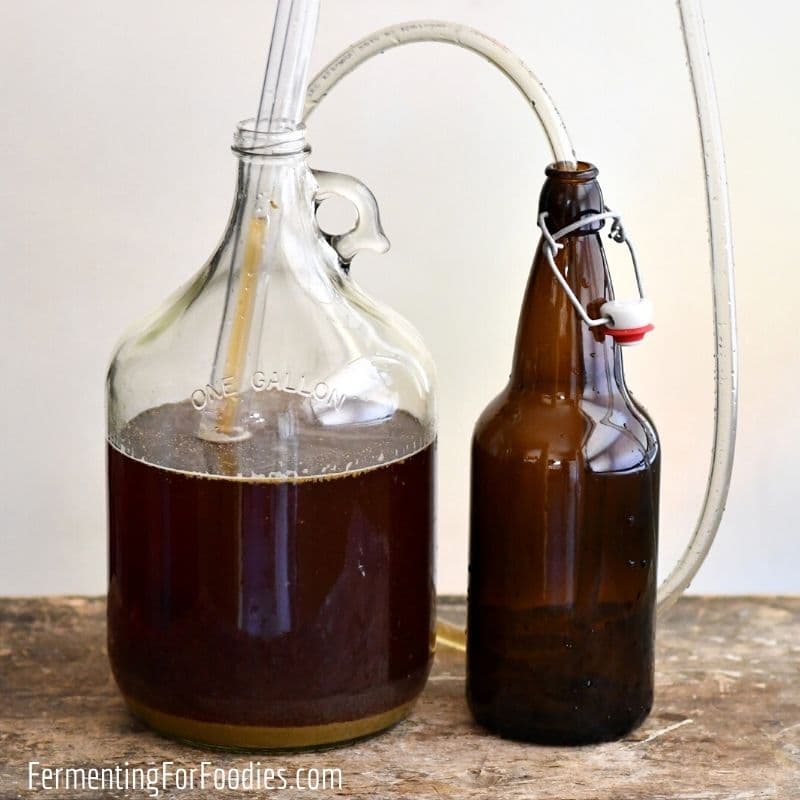
A sugar-water lesson is not just about dissolving sugar in a pan. In brewing terms, it sits right at the intersection of sanitation, flavor control, and repeatability. Brewers often boil priming sugar in water before adding it to beer, because a quick boil helps sanitize the solution before it goes into the finished batch.
That basic move connects directly to how yeast does its work. Grainfather’s brewing guide makes the logic plain: yeast converts sugar into alcohol and carbon dioxide during fermentation, and the brew kettle is where wort gets boiled after mashing. In other words, sugar is not a side note in brewing. It is one of the core levers that determines how beer ferments, conditions, and finishes.
For intermediate brewers, this is where the lesson gets useful. You already know that sugar exists in beer. The gap is understanding when to boil it, why to boil it, and what changes when you handle it like a brewing ingredient instead of a kitchen shortcut.
The boil is the step that separates brewing from guessing
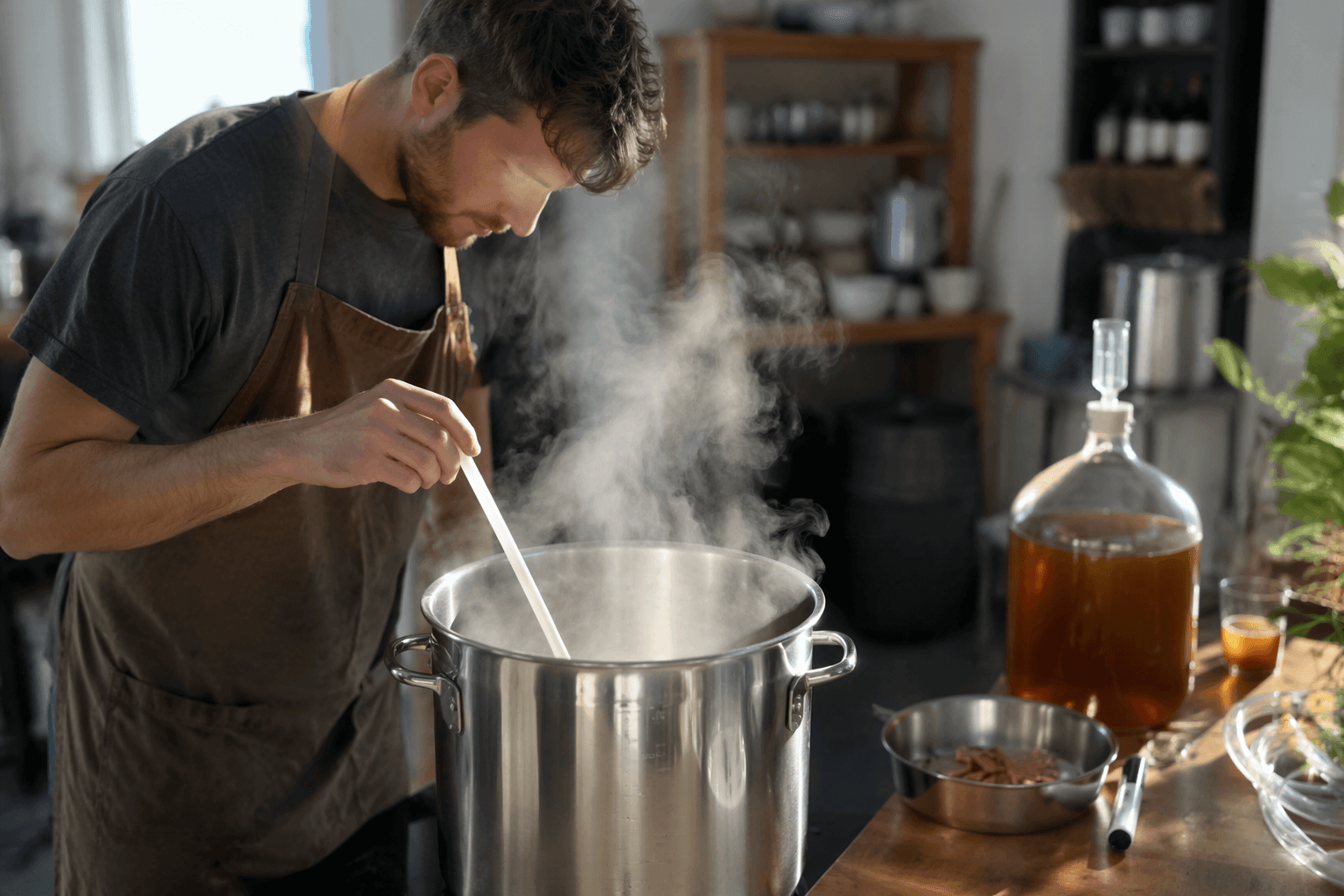
Craft Beer & Brewing has long treated the boil as a vital step, and that is exactly why Ferment’s masterclass choice feels sharp rather than trivial. A vigorous boil is not just about heat for heat’s sake. It is part of pasteurization, it drives off unwanted compounds, and it helps develop the flavor profile of the beer.
The standard timing matters too. Sixty minutes has become the accepted boil time for many recipes, although real-world boil lengths can range from 30 minutes to 2 hours or more depending on the beer and process. That range tells you something important: the boil is not a decorative pause between mash and fermentation. It is a controllable stage that changes the beer.
This is also where the old homebrew-kit problem comes back into focus. Earlier kits often leaned heavily on simple sugars and skipped a proper boil, and they earned a reputation for producing lower-quality beer. Ferment’s sugar-water lesson effectively pushes against that old shortcut mentality. It says, start with the fundamentals, do the boring part properly, and you get better beer.
Why this format matters for intermediate brewers
The strongest argument for Ferment’s masterclass series is not that it explains one more brewing trick. It is that it gives structure to a learning path that is usually scattered across forum posts, video clips, and half-remembered advice from the shop counter. That is a real education gap for brewers who already know the basics but want to move past recipe-following into process control.
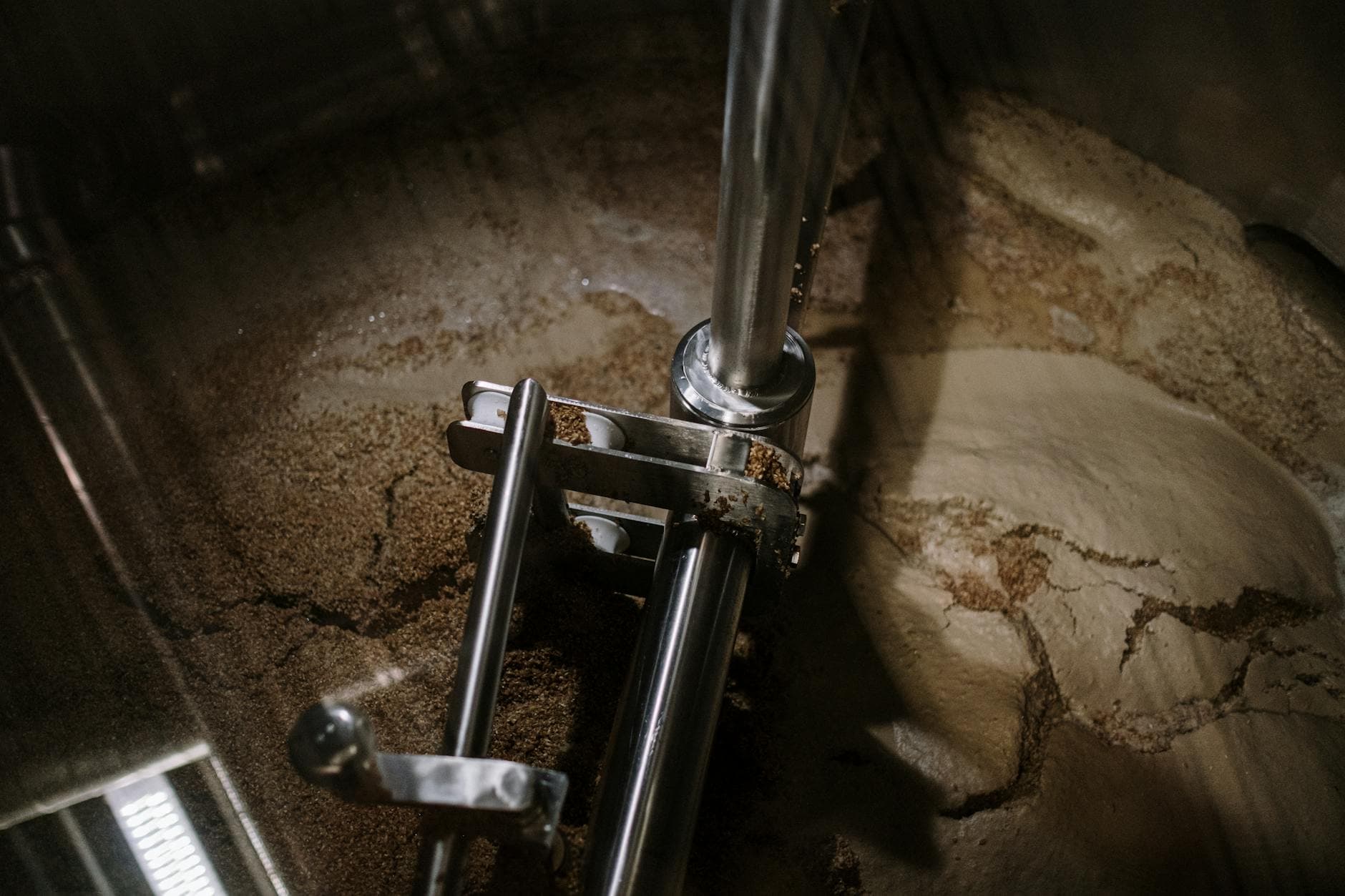
That is also why the magazine’s broader editorial identity matters. A publication that covers breweries, beer history, brewing science, and practical tips can do something many generic how-to sites cannot: it can place a basic lesson inside a larger brewing culture. The names that have shaped that culture, from Charlie Papazian to Melissa Cole, Pete Brown, Roger Protz, Mark Dredge, Matt Curtis, and Jester Goldman, all point toward the same thing: good brewing education makes the process less mystical and more repeatable.
Ferment’s current masterclass installment does exactly that by choosing a subject most brewers will touch at some point, then treating it like a skill, not a throwaway note. For the brewer who has already outgrown beginner advice, that framing is more valuable than another loose list of tips.
What Ferment is really building
The current print issue may be where this sugar-water lesson lives, but the larger play is clearer than any single article. With issue 131 due on 27 May 2026 and the magazine appearing monthly, Ferment is building a rhythm around education as much as around beer coverage. That makes the masterclass series feel less like a sidebar and more like a product decision.
And that is why this particular installment lands. Boiling sugar water is humble, practical, and easy to dismiss, which is exactly why it works as a teaching anchor. Ferment is showing that the road to better homebrewing still runs through the kettle, where sugar, heat, and timing do the real work.
This article was produced by Prism’s automated news system from verified source data, official records, and press releases, then run through automated quality and moderation checks before publishing. The system is built and supervised by the people who set the standards it runs under. Read our full AI policy.
Did this article answer your question?