How beer color is measured and why it matters in homebrewing
Beer color is a recipe target, not a guess: SRM and EBC let you tune malt, mash, and software so the glass matches the style you planned.
SRM and EBC measure beer color by absorbance at 430 nanometers through a 1-centimeter sample path. In homebrewing, it is one of the cleanest ways to turn recipe design into a visible result. If you want a pale lager, a copper ale, or a stout that lands where style charts expect it, the target belongs on the recipe sheet before brew day. The trick is learning how malt choice, kilning, and color scales work together so the beer you imagine is the beer you brew.
Why dark beer used to be the default
A lot of older beer was darker simply because malt was harder to keep pale. Traditional kilns dried grain on perforated floors with wood, coal, or coke fire below, and that heat and smoke could scorch the malt and deepen the finished beer’s color. Historic England documents malt kilns built around coke fire bars and hot air passing through the grain.
Pale beer is not the ancient norm people sometimes assume it is. The pale pilsners, pale ales, and IPAs that dominate modern shelves are relatively recent products of better-controlled malting. Once coke-fired and hot-air kiln designs made paler malt practical, brewers gained much tighter control over color, and that opened the door to the lighter beer families that now define much of the market.
How brewers actually measure color
Color measurement in brewing is not a guess based on what the beer looks like in a particular pint glass. The beer’s absorbance reading is converted into a number that brewers can use in recipe design.
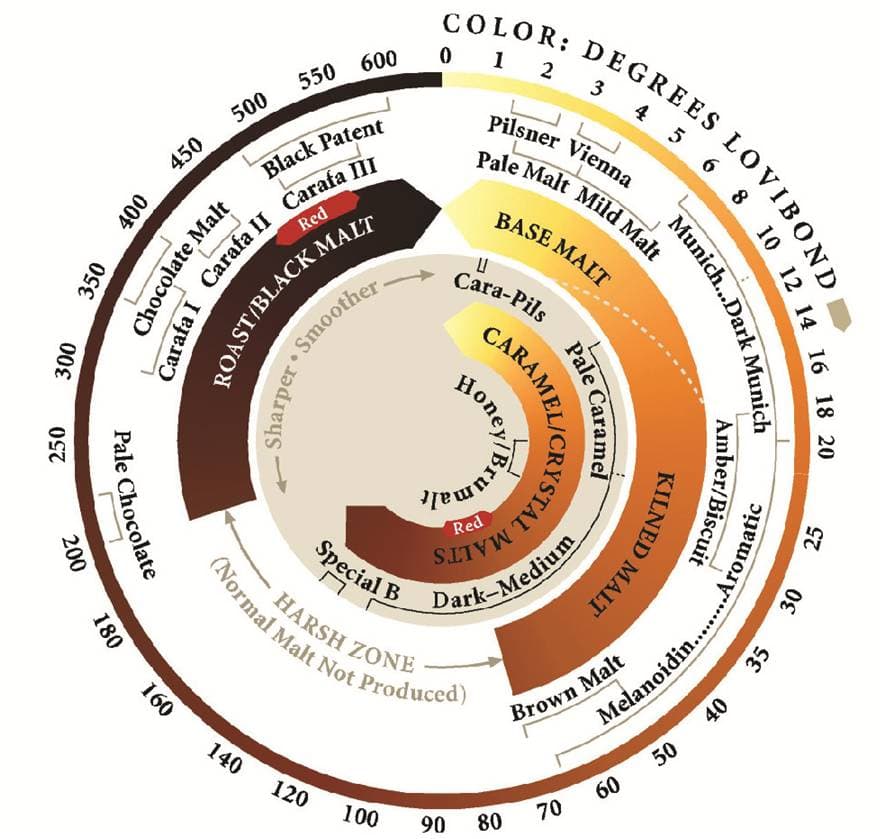
The Beer Judge Certification Program dates SRM as the U.S. standard for more than 50 years, while EBC uses the same basic measurement with a different multiplier. That makes the two scales roughly convertible, even if they are used in different brewing circles. J.W. Lovibond’s nineteenth-century system still shows up in malt color specs, especially on grain data sheets, but SRM and EBC are the numbers most brewers reach for when they want a style target.
SRM is more a measure of color density than a precise read on hue, tint, or shade, so it cannot fully capture subtle reds like an Irish red ale or the visual differences you can get from fruit beers. Perception also shifts with viewing conditions, carbonation, clarity, and even the shape of the glass, which is why the same beer can look different from one pour to the next.
How grain choices set the target
Color comes from the malt bill first. Base malts are pale, while kilned malts run darker because they spend longer in hotter processing. The more heavily kilned or roasted the grain, the more directly it contributes to the final appearance of the beer.
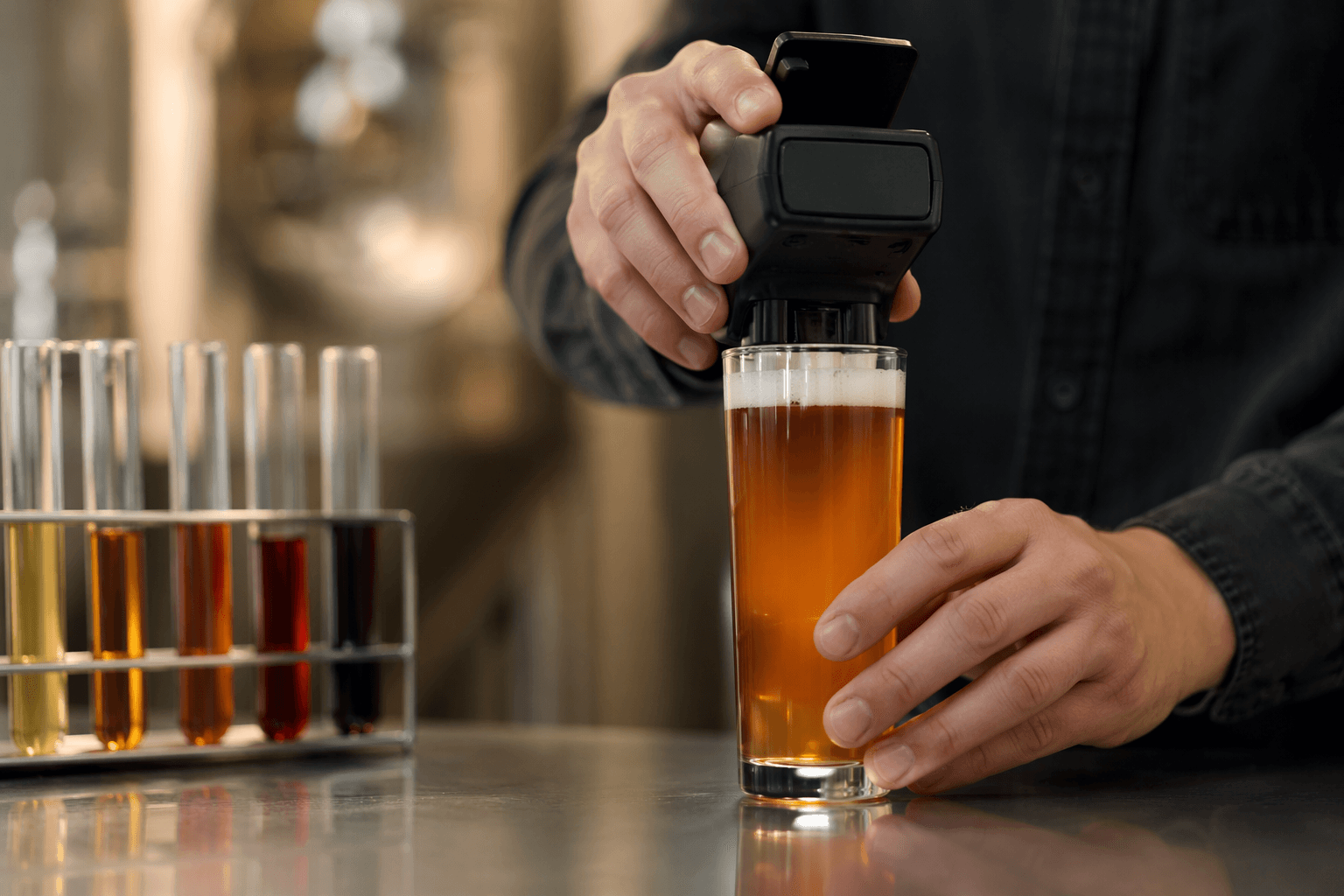
If you are aiming for a style range, grain selection is the fastest lever you can pull: a touch of darker specialty malt can push a pale beer toward gold or amber, while a heavier hand can put an ale into red-brown territory without changing the entire recipe. Color ranges remain built into Brewers Association style guidelines for 2025, and BJCP style materials map familiar descriptions such as straw, amber, red, and black to SRM bands.
Mash decisions matter too, because color is not only about which malts you use but how the sugars and compounds from those grains carry through the process. A recipe that looks right on paper can still miss its visual target if the malt selection is too aggressive or too timid for the style range.
Using software and formulas before brew day
Brewing software can estimate beer color from grain bills before you heat strike water, which is especially useful when you are trying to match a style guideline or land on a specific visual result. The basic Malt Color Units method can work reasonably well for lighter beers, but it becomes less useful as beers get darker.
Dan Morey’s color equation is the workhorse here because it improves on simple MCU, especially in the darker range. MCU works reasonably well below about 10.5 SRM, while Morey extends practical usefulness into darker beers up to about 50 SRM. In other words, the formula helps software stay closer to the real-world color you expect once the grain bill moves beyond pale territory.
If your software is underestimating or overestimating the impact of a particular roast or specialty malt, you will keep missing styles by eye even when the bitterness and gravity are right.
What to check when you are designing for a color target
A practical color plan is simple enough to run through before brew day:
- Start with the style range in SRM or EBC, not with the grain bill.
- Choose base malt first, then add specialty malts only as needed to move the color.
- Use Morey-based software estimates for darker beers, where MCU becomes less reliable.
- Remember that the finished pour may look lighter or darker depending on clarity, carbonation, lighting, and glass shape.
- Treat Lovibond, SRM, and EBC as related tools, not competing ideas.
This article was produced by Prism’s automated news system from verified source data, official records, and press releases, then run through automated quality and moderation checks before publishing. The system is built and supervised by the people who set the standards it runs under. Read our full AI policy.
Did this article answer your question?