How krausening carbonates beer and improves lager conditioning
Krausening gives lagers fresher carbonation and less oxygen pickup by reintroducing active yeast at packaging instead of relying on sugar alone.
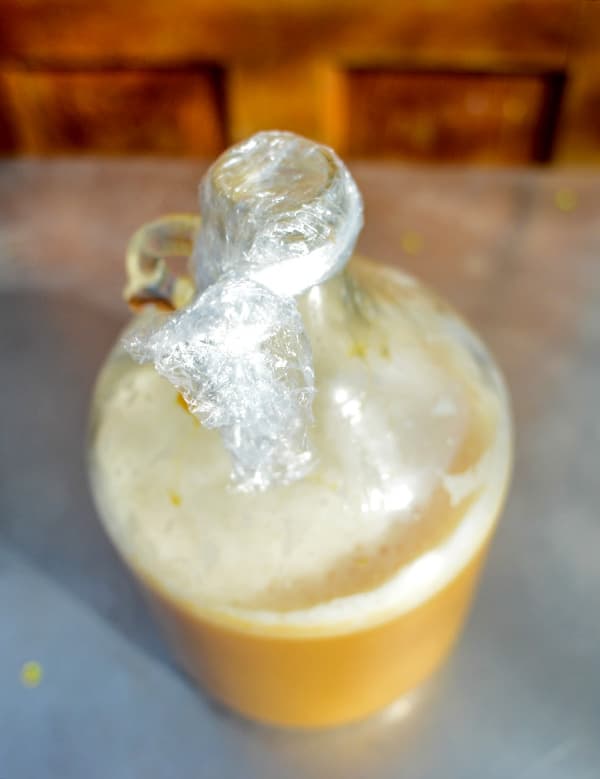
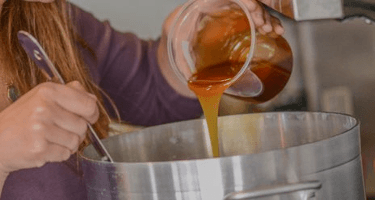
At high kräusen, brewers add foamy, actively fermenting wort back into beer that is already nearly finished. The yeast finishes the carbonation and conditioning instead of leaving the job to priming sugar alone.
What krausening is actually doing
In a March 22, 2010 BeerSmith post, Brad Smith described krausening as a traditional German method for carbonating beer without using sugars or other adjuncts. The trick is to add actively fermenting malt wort to fermented beer, so the malted sugars in that wort drive carbonation and conditioning.
Craft Beer & Brewing’s Oxford Companion to Beer defines kräusening as the addition of actively fermenting wort as an inoculant to induce fermentation in another batch of wort or beer. When that actively fermenting wort is used, it carries yeast cells that need very little adaptation to the new environment. Fermentation begins more quickly and may be better guaranteed than when you rely on a less active culture.
The American Homebrewers Association defines krausen as the foamy sign of active fermentation, which is the visual cue that makes the method make sense. You are not borrowing dead yeast cake or hoping a tired starter wakes up in the bottle. You are reintroducing yeast at the moment it is most energetic.
Why it solves problems priming sugar alone cannot
Priming sugar alone is a carbonation tool, but krausening is a conditioning tool as well. Because you are adding live yeast and fermentable extract back into the beer, the method can influence how the beer cleans up after primary fermentation, how evenly it carbonates, and how it settles during lagering or package conditioning.
In an American Homebrewers Association forum discussion about krausening oxidized beer, one brewer quoted Charlie Bamforth saying active yeast loves to “mop up stale stuff.” Krausen beer can scavenge oxygen and reduce the risk of future oxidation, which matters any time you are trying to keep a finished beer tasting bright instead of cardboardy.
German lager brewers have long used the method for more than fizz. Krausening has been used to help reduce diacetyl and speed maturation and carbonation, so the live yeast is doing cleanup work while it produces gas.
Where krausening earns its keep
The styles that benefit most are the ones where carbonation and freshness are part of the flavor profile, not just the mouthfeel. Pilsners, helles, kölsch, festbier, and other traditional lagers are obvious candidates, because they can punish sloppy packaging with dull flavor or oxidized edges faster than bigger, darker beers.
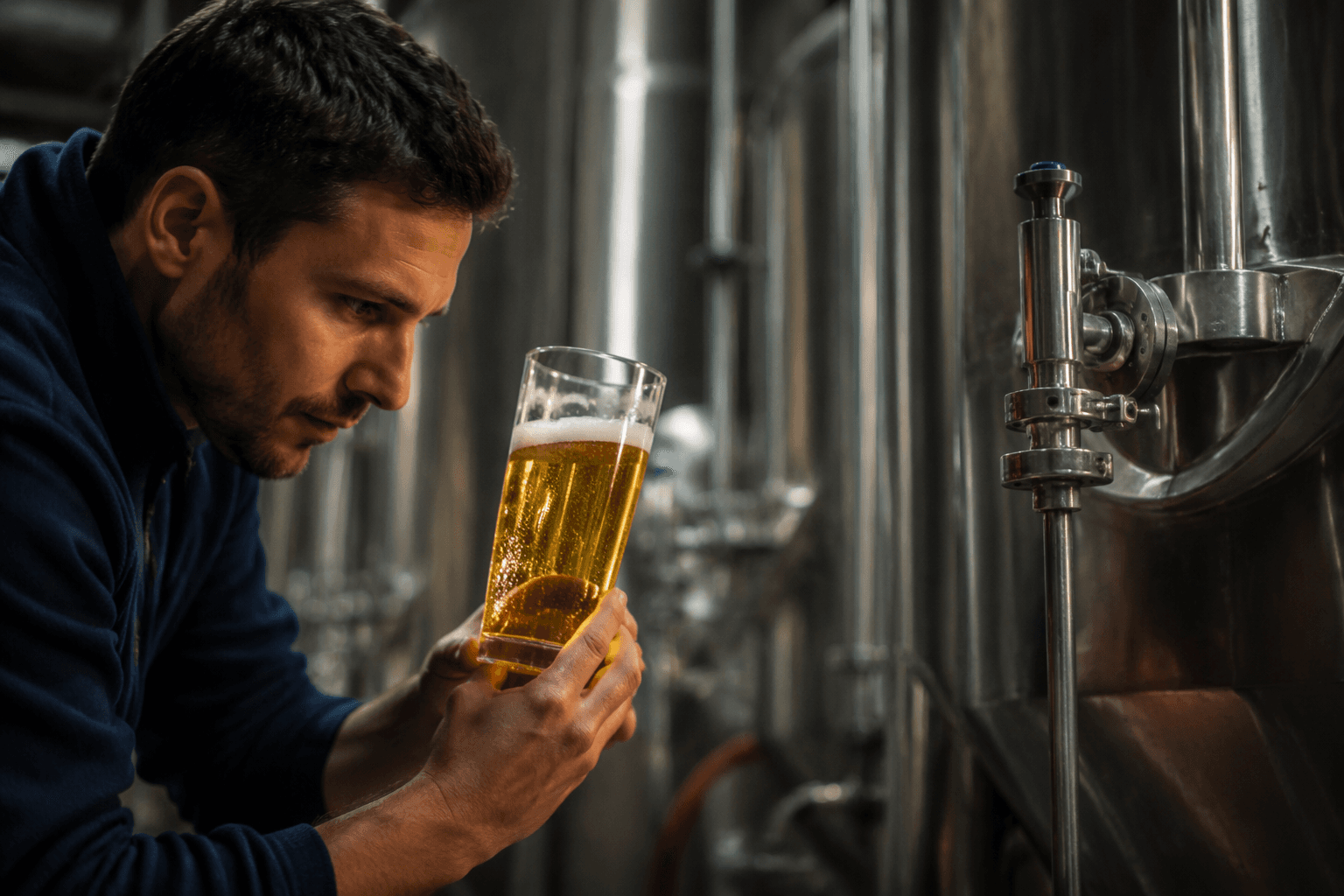
Brülosophy ran a September 30, 2019 exBEERiment comparing force carbonation and kräusening in a festbier. In a style like festbier, the carbonation method is tied to expression, and krausening keeps the beer in the lane of traditional lager character rather than just hitting a target volume of CO2.
The method also shows up as a lagering tool as much as a packaging method. If the beer is nearly finished but still needs a little yeast-driven cleanup, krausening can refresh it with active cells and fermentable wort at the exact stage where they can still help.
How the process works in practice
The sequence is straightforward, even if the timing is not. You save a portion of actively fermenting wort at high kräusen, then add that lively wort to a finished or nearly finished beer so fermentation can resume in package or tank.
1. Brew or reserve wort that will be at peak activity when you need it.
2. Pull it at active kräusen, when the yeast is most vigorous.
3. Blend it into the beer you want to carbonate or condition.
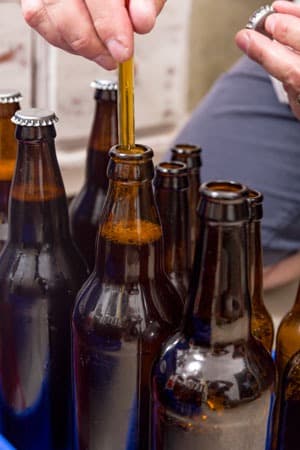
4. Let the yeast finish the remaining fermentation work, then package once the gravity and carbonation are where you want them.
That live yeast advantage is why the method can be more predictable than simply tossing in sugar and trusting the package yeast to wake up fully. The wort is doing two jobs at once, feeding carbonation and supporting maturation.
The catch is that it asks for tighter process control
Krausening is not as forgiving as standard priming sugar, and that is the tradeoff. You need healthy yeast, good timing, a clean process, and careful attention to gravity, because too much fermentable wort can overcarbonate a package and too little can leave the beer flat or inconsistent.
It solves several modern homebrew pain points at once: tighter carbonation, fresher flavor, lower oxygen pickup, and a better shot at letting a lager finish like a lager instead of just a beer that happens to be cold-conditioned.
This article was produced by Prism’s automated news system from verified source data, official records, and press releases, then run through automated quality and moderation checks before publishing. The system is built and supervised by the people who set the standards it runs under. Read our full AI policy.
Did this article answer your question?