Minnesota breweries race to climate-proof beer as grain costs rise
Hotter summers are pushing Minnesota brewers to rethink grain, hops and cellar work, with Bang Brewing already built around organic sourcing and water-saving design.
Hotter summers and more erratic weather are already turning climate adaptation into a brewing-floor problem in Minnesota, where more than 200 breweries depend on grain and hops that are getting harder to grow with consistency. The shift is showing up in ingredient sourcing, recipe planning and the way brewers talk about their businesses.
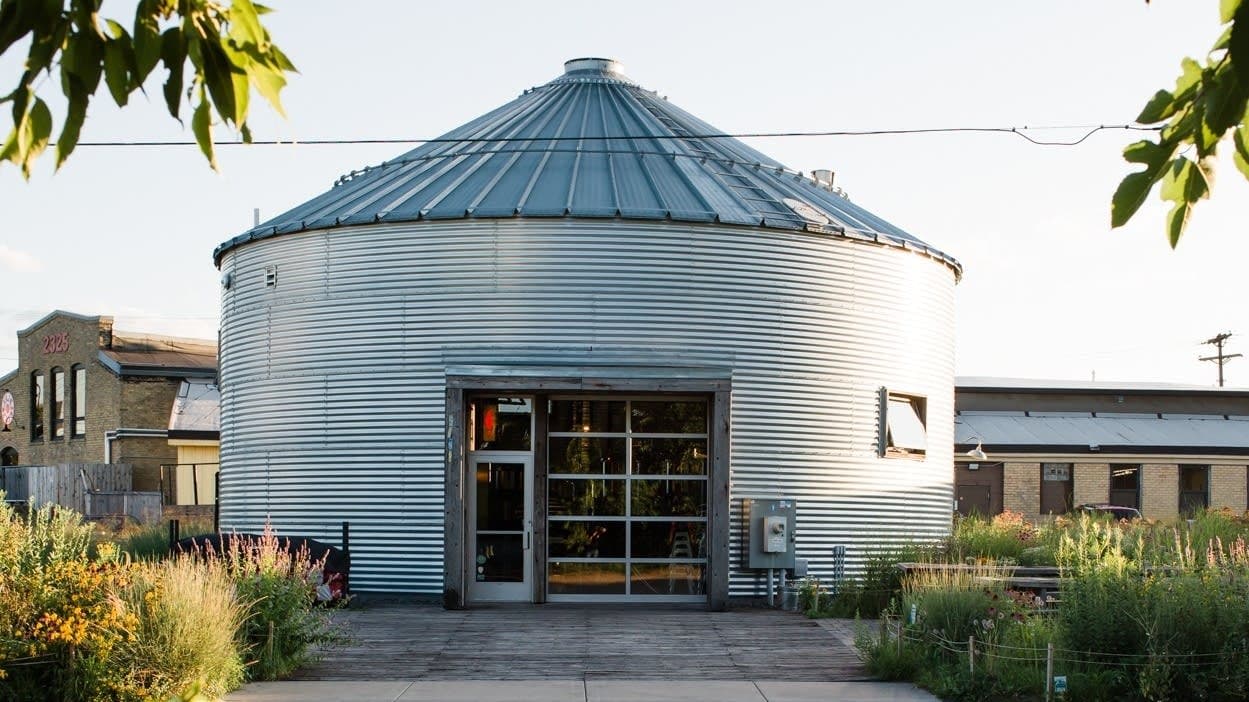
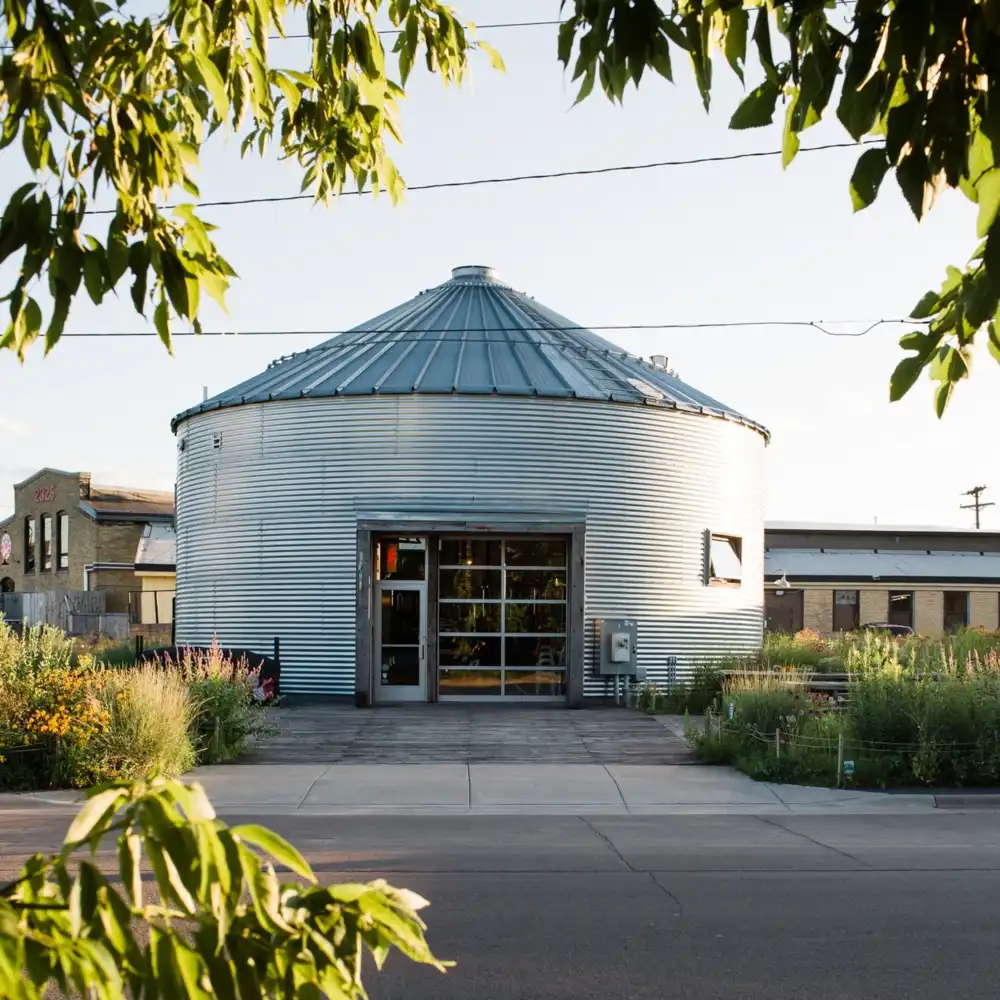
Bang Brewing in St. Paul has become a useful example because it was built around those concerns from the start. The brewery says its business is rooted in the “quadruple bottom line” and leans on organic ingredients, while its 1,300-square-foot, partially prefabricated grain-bin structure in the West Midway neighborhood was designed to minimize water use. That kind of setup gives Bang a head start as the rest of the state’s brewing scene tries to catch up.
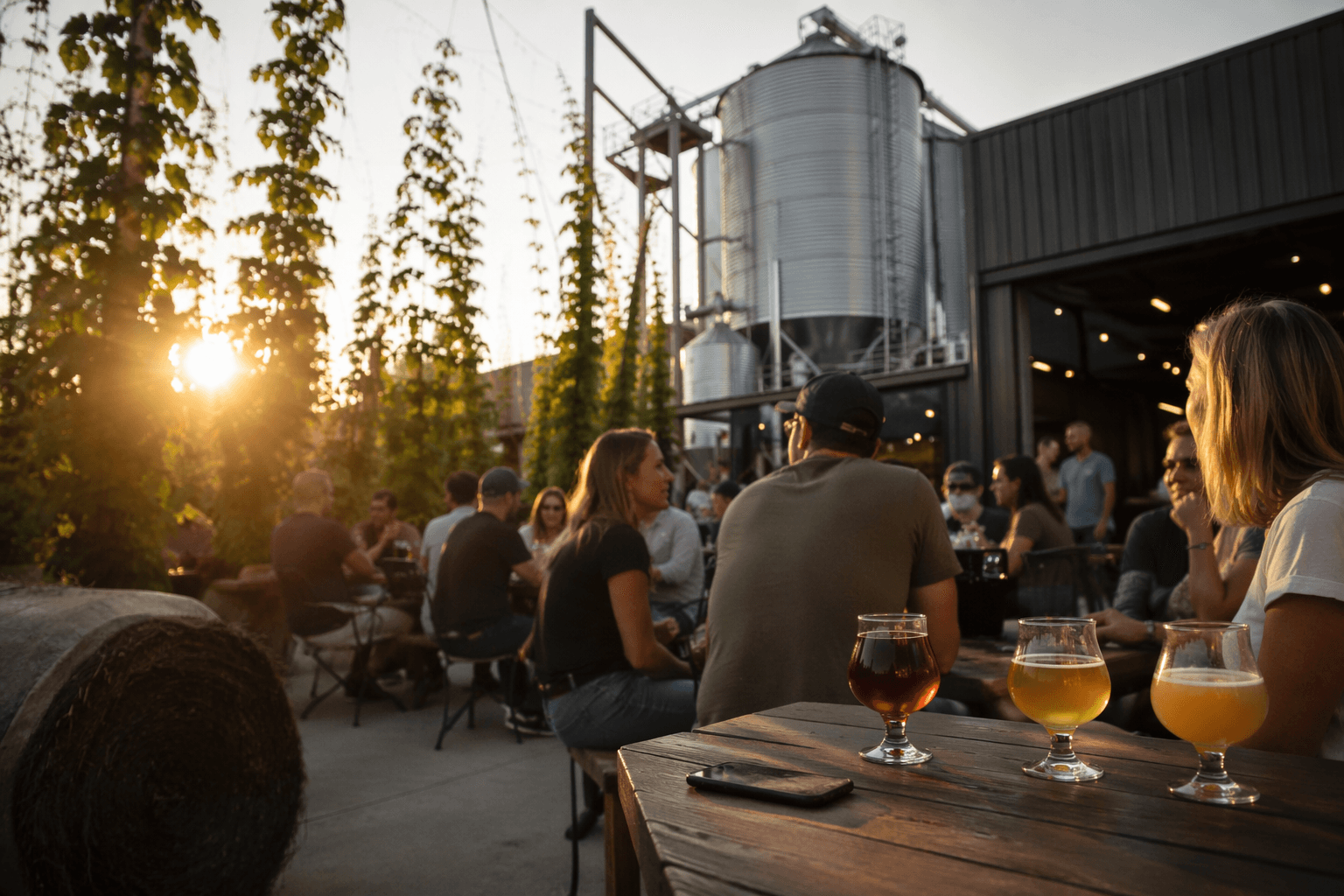
The pressure is not just on barley and malt. University of Minnesota researchers are breeding new hop varieties specifically for Minnesota’s growing climate and its brewers, a sign that local sourcing is moving from marketing language to operational necessity. Midwest humidity makes hops more vulnerable to mildews, which helps explain why so much U.S. hop production still sits in the Pacific Northwest. For Minnesota brewers, that means the old habit of ordering whatever is available is getting riskier by the year.
Bang has been working in that direction for years. The brewery began working with Kernza in 2016 or 2017, and it was one of 11 U.S. breweries involved in a Patagonia Provisions collaboration around a Kernza lager. Sandy Boss Febbo has tied ingredient sourcing directly to the brewery’s sustainability mission, and Bang eventually moved away from depending on large brokers for raw grain and malt. That kind of sourcing model matters now because climate volatility can turn a familiar ingredient list into a moving target.
The bigger story is that Minnesota’s brewing future may look more local, more agricultural and more expensive. The University of Minnesota’s Forever Green Initiative is working on Kernza and other crops to improve production, and that research gives breweries a path toward more resilient recipes. If grain and hop conditions keep swinging, more local beers will likely be built around soil health, farm partnerships and environmental stewardship, with price tags that reflect the cost of making beer hold steady in a less steady climate.
This article was produced by Prism’s automated news system from verified source data, official records, and press releases, then run through automated quality and moderation checks before publishing. The system is built and supervised by the people who set the standards it runs under. Read our full AI policy.
Did this article answer your question?