Pinthouse sees 2026 craft beer shift toward balance and drinkability
Pinthouse is treating taproom feedback as the new brew schedule, and the styles getting repeated are the ones that finish clean, not loud.
“How feedback crafts how we schedule brews” is the line under Pinthouse’s 2026 trend piece. In Austin, Texas, that means the brewery is reading drinker demand as a production cue, not just a taproom mood, and building around beers that are “balanced, refreshing and worth talking about.”
Feedback is shaping the brew calendar
Pinthouse’s “Craft Beer Trends We’re Watching in 2026” frames the year around drinker preferences and brewer innovation, but the real clue is the scheduling language. The brewery is not talking about chasing every loud style for its own sake; it is talking about what gets repeated because people ask for it again. That is a practical shift for any brewery, because brew calendars are expensive, labor-heavy, and finite.
The taproom has become a feedback loop with consequences. A beer that empties fast and gets reordered earns another slot; a beer that gets one curiosity pour and then stalls can stay in the experimental lane. That is how a lot of breweries are quietly changing production now, especially as they look for beers that sell more than once rather than only grab attention once.
Balance is beating spectacle
The style signal behind all of this is restraint. Backbar’s 2026 beer forecast describes a “Great Re-Balancing” in which consumers are seeking quality, drinkability, and value rather than novelty for novelty’s sake. Escarpment Labs describes craft beer as entering “a more deliberate phase” after a decade defined by expansion, maximalism, and constant releases.
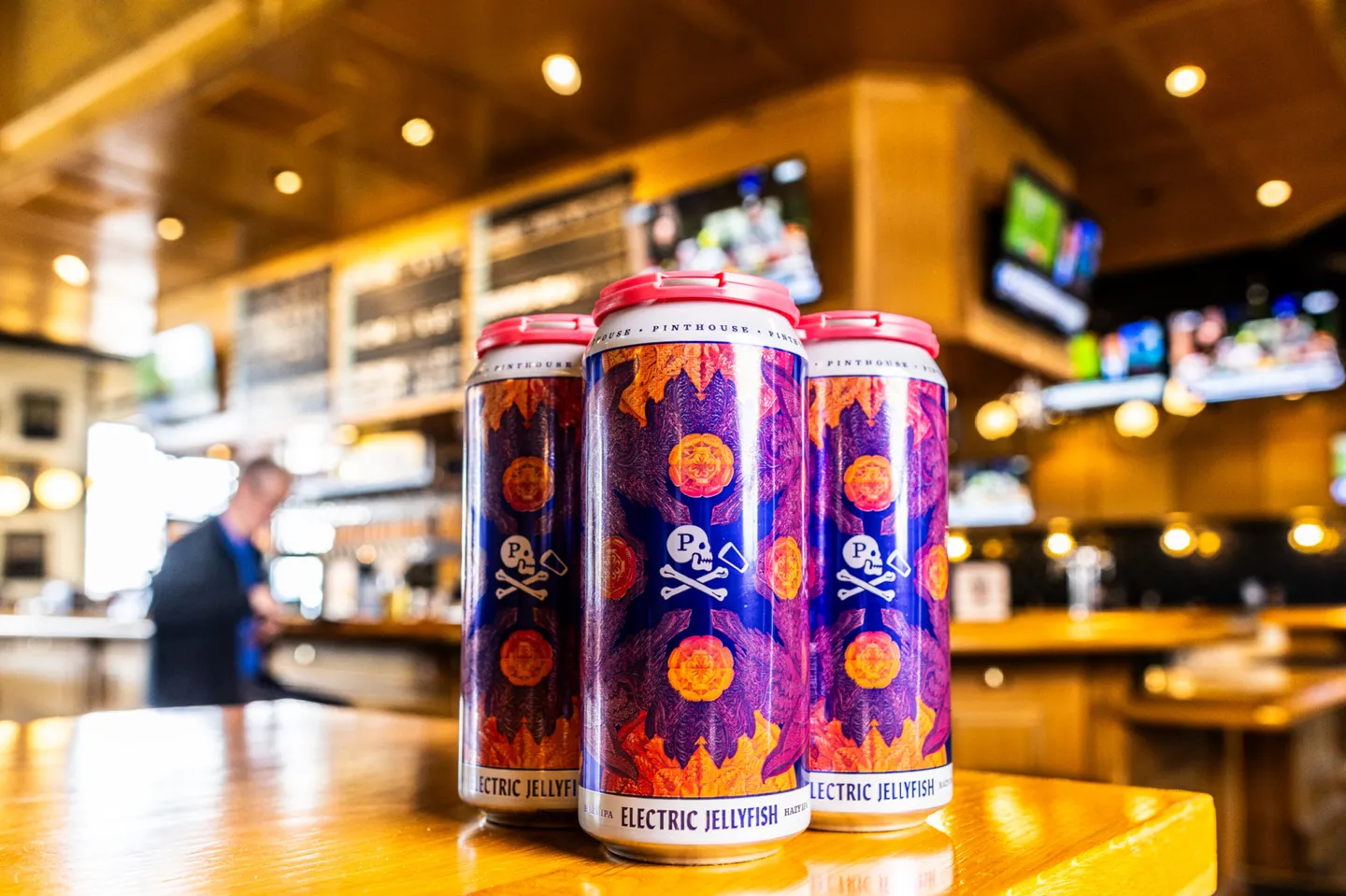
A beer can still be expressive, aromatic, or hop-forward, but the center of gravity is shifting toward beers people can actually finish and want to order again. Pinthouse’s own current tap list makes that easy to see: Burro’s Breakfast, a Mexican-style lager at 5.5% ABV, Electric Jellyfish, a hazy IPA at 6.5%, and Magical Pils, a dry-hopped pilsner at 5.3%.
The Mexican-style lager and dry-hopped pilsner sit in the lower-ABV, high-refreshment lane, while the hazy IPA gives the brewery a familiar hop anchor without turning the board into a chase for extremes. For homebrewers, that usually means more attention to clean fermentation, crisp finish, and flavor clarity, not just bigger dry-hop charges or heavier adjunct stacks.
The wider industry is reading the same room
The Brewers Association titled its 2026 association piece “A Year of Correction for Craft Beer, With Early Signals of Recovery,” which lines up with the idea that breweries are adjusting to a market that is still working through a reset. American Craft Beer published “8 Beer Industry Trends to Watch Out For in 2026” on January 20, 2026.
Breweries are operating in a tighter economic environment, and drinkers are more selective. That combination pushes brewers to protect reliable sellers, trim the blast radius of novelty, and make room for styles that feel rewarding without asking for a full commitment from the customer.
Pinthouse’s site still leans on limited-time seasonals, which is the kind of programming that works best when it is tied to actual demand instead of a rigid calendar. Breweries that listen closely can slot in seasonals when the taproom is ready for them, then bring them back only if the response justifies the tank time.
What changes for breweries and homebrewers
If the year keeps moving the way these forecasts suggest, expect more beers designed for repeat orders than for one-time bragging rights. That does not mean fewer IPAs, but it does mean more recipes that can sit comfortably next to a 5.5% lager or a 5.3% pilsner and still feel modern. It also means breweries are likely to treat taproom traffic like live market research, watching what disappears first, what gets talked about, and what comes back empty on a second visit.
Clean lager fermentation, crisp pilsner bitterness, and hazy IPA recipes that stay bright instead of heavy will keep making sense because they match the direction breweries are already taking.
This article was produced by Prism’s automated news system from verified source data, official records, and press releases, then run through automated quality and moderation checks before publishing. The system is built and supervised by the people who set the standards it runs under. Read our full AI policy.
Did this article answer your question?