Research shows hop harvest, yeast strain shape dry-hopped beer bitterness
Harvest date can move dry-hopped beer more than many brewers expect, with yeast choice changing how that hop character reads in the glass.
Harvest timing is a recipe decision, not a farm detail
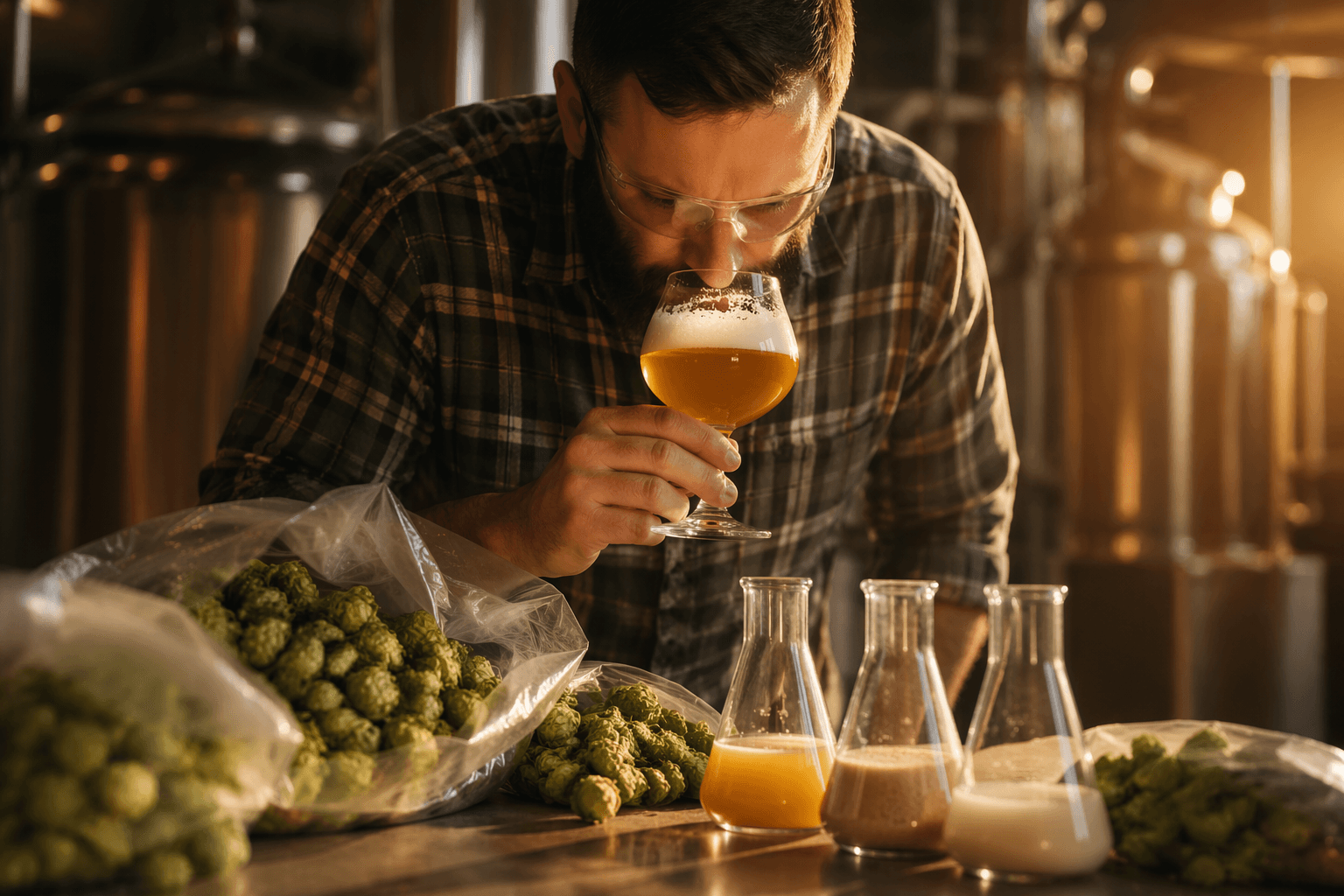
If you build a dry-hopped beer the same way every time and only swap hop variety, you are leaving flavor on the table. The stronger signal from the latest research is that harvest date can matter as much as the hop itself, shaping bitterness perception, aroma, and balance in ways brewers can actually use when they design fresh-hop releases, seasonal pale ales, and hop-forward lagers.
That matters because dry-hopping is supposed to work on the cold side of the process: it is there to pull out hop essential oils, not to build bitterness the way kettle additions do. That is exactly why dry-hopping has become such a useful tool in craft beer. It can create aromas that are hard to get from hot-side hopping, but the tradeoff is that the final result is sensitive to hop timing, dosage, contact time, temperature, and fermentation chemistry.
What the harvest-date studies really show
A 2016 dry-hopped lager study made the case in plain numbers. Hops picked later in the season had 28% more alpha acids and 30% more hop oils than very early-harvested hops over a 24-day harvest window. That late-picked material did not just test richer on paper. It rated better in aroma quality, and the beers brewed from it were rated better overall.
The same study found another detail brewers should not ignore: harvest date and crop location both affected sensory distinguishability, even when the hop fields were only 1.2 to 24 kilometers apart. In other words, two lots that look close on a map can still drink differently enough to matter in the brewhouse. A separate study on Cascade hops pushed the point further, showing that later harvest maturity increased citrus aroma in dry-hopped beer.
The practical implication is simple. If you are chasing a specific fresh-hop character, you do not just want the right variety. You want the right lot, from the right harvest window, with the right sensory profile for the beer you are trying to make.
Why dry-hopping still has a moving target
A review of dry-hopping research keeps coming back to the same variables: hop dosage, contact time, and temperature all influence extraction. That is why the exact same hop charge can produce a brighter beer in one recipe and a muddier one in another. When the hop itself also changes with maturity, the brewer has two layers of control to manage.
That is especially important in hop-forward styles where the dry-hop is carrying much of the beer’s identity. In pale ales, IPAs, and dry-hopped lagers, small changes in hop oil content can shift the beer from sharp and expressive to soft, grassy, or out of balance. Harvest timing is not just about whether the hops are fresh enough. It is about whether the hop lot has the chemistry to deliver the kind of aroma and bitterness impression the beer needs.
Yeast strain can amplify or blunt the hop
The other half of the story is fermentation. A 2023 University of Otago study tested 12 yeast strains in late-hopped Motueka beer and found clearly different volatile profiles and sensory outcomes across the group. SafLager W-34/70 stood out for its hoppy flavor attribute, which is a useful reminder that a clean lager strain can still let hop character shine when the rest of the process is lined up.
The same study found that WLP730, OTA29, SPH, and WB06 produced the highest 4-vinylguaiacol levels, which pushed the beer toward spicy character. Other strains contributed spicy, estery, sour, astringent, sulfury, or metallic notes. That is not a minor footnote. It means the yeast can change whether a dry-hop reads as bright and layered or rough around the edges.
The Otago team also found higher levels of nerol, geraniol, and citronellol in beers made with W34/70, which helps explain the more hoppy impression. For brewers, that is the useful takeaway: yeast is not just a fermentation engine. In dry-hopped beer, it is part of the hop expression itself.
How to use this in the brewhouse
Brewers Association seminar materials have started pushing a smarter habit: ask suppliers for harvest dates and use them as a guide for aroma quality. That is a good move, and it should become standard practice for any brewery buying hop lots for seasonal releases or fresh-hop programs.
A practical workflow looks like this:
- Ask for harvest date, not just variety and alpha-acid numbers.
- Taste and smell lots before locking in a beer plan.
- Match later-harvested hops to beers where stronger aroma and fuller hop character will matter most.
- Treat yeast selection as part of the hop decision, especially in lagers and late-hopped beers.
- Be ready to adjust dry-hop dosage and contact time if the lot is more aromatic than the last one.
This is where lot selection and lot diversification become real business tools. Hop growers and suppliers can sort lots in ways that give brewers more options, and breweries can use that flexibility to build beers that taste more specific and local instead of generic.
Why this is becoming part of hop sourcing strategy
Oregon State University’s brewing research program continues to study hop harvest maturity and dry-hopping sustainability, which tells you where the industry’s attention is headed. Harvest timing is being treated less like an agricultural afterthought and more like a recipe variable, right alongside yeast and hop variety.
That shift makes sense. If late-harvested hops can deliver more alpha acids, more hop oil, and better aroma ratings, then the harvest window becomes part of the beer’s design brief. It also gives brewers a clearer way to tell the story on the label and in the taproom: not just what variety is in the beer, but when those hops were picked and why that lot was chosen.
For drinkers, that opens the door to beers with a more distinct local fingerprint. A fresh-hop release built from a carefully chosen harvest window and a yeast strain that supports hop expression can taste noticeably different from the same recipe brewed with a different lot. That is the real payoff here: not a vague idea of freshness, but a tighter, more deliberate kind of hop character that starts in the field and lands in the glass.
This article was produced by Prism’s automated news system from verified source data, official records, and press releases, then run through automated quality and moderation checks before publishing. The system is built and supervised by the people who set the standards it runs under. Read our full AI policy.
Know something we missed? Have a correction or additional information?
Submit a Tip