Starbase Brewing launches MicroBrew-2, sending yeast and Texas seeds to space
Starbase Brewing sent dozens of yeast strains and Texas bluebonnets into orbit on June 23, using SpaceX’s Starfall Demo to test how space changes brewing biology.
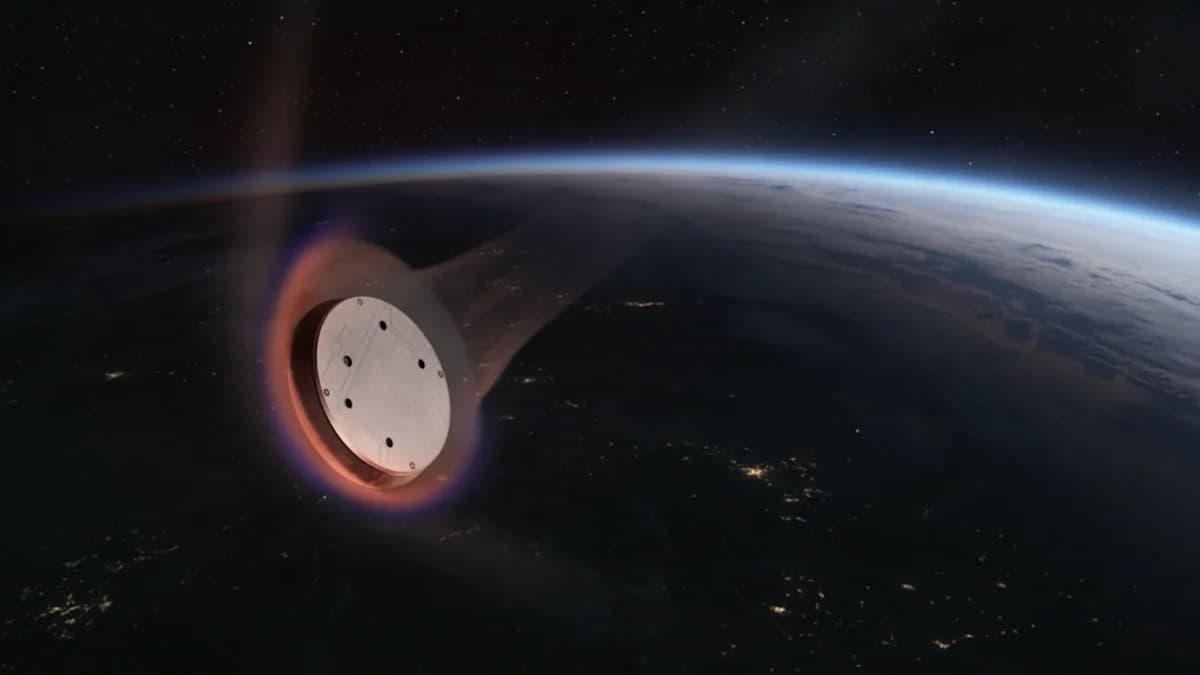
Starbase Brewing has pushed its fermentation R&D into orbit again, this time with MicroBrew-2 riding aboard SpaceX’s Starfall Demo on June 23, 2026. The payload, called the Brewery Archive Space Exposure Demonstrator, carried dozens of brewing, distilling and wine yeast strains from around the world, plus seeds from native Texas plants.
The mission matters because Starbase is not treating spaceflight as a novelty label. The company said it will study how the trip affected both the yeasts and the seeds after they return to Earth, looking for clues that could shape strain selection, mixed-culture work and experimental recipe design back home. Texas bluebonnet seeds were included because the plant is resilient and has a hard outer coat, a trait that makes it a useful test case for space exposure.
MicroBrew-2 also gave Starbase access to SpaceX’s Starfall Demo, the debut flight of a new uncrewed cargo capsule designed to return payloads to Earth. That return leg is the key for brewers and researchers alike: the value is not just in getting biology off the planet, but in getting it back intact enough to measure what changed. For a brewery thinking about stress tolerance, dormant cell behavior or how ingredients hold up outside normal storage conditions, that kind of data is the real prize.
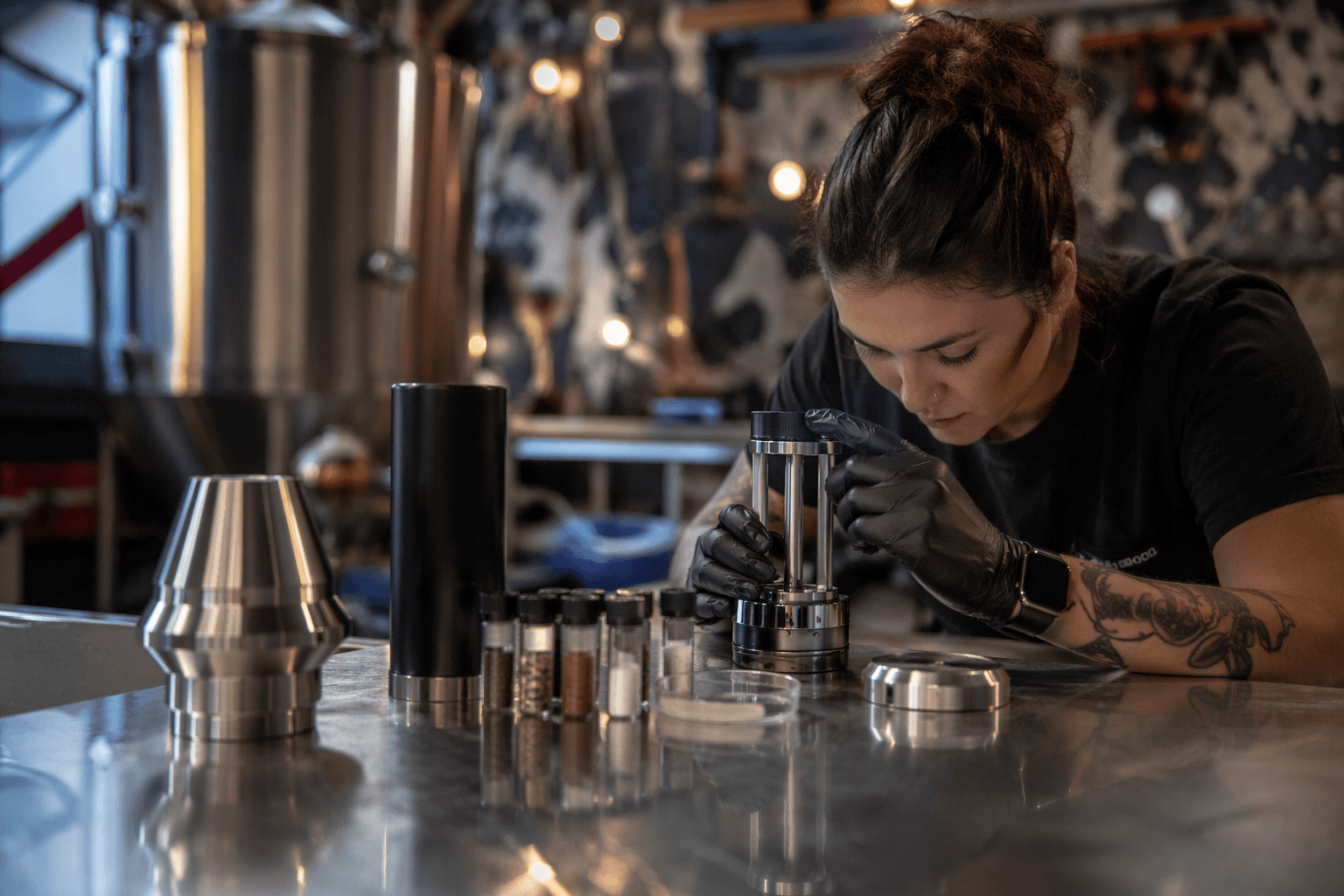
The new flight builds on MicroBrew-1, Starbase’s earlier ISS work on alcohol fermentation in microgravity. On that mission, astronaut Jonny Kim mixed wort and yeast aboard the International Space Station to study how fermentation behaves without Earth’s usual gravity. Starbase also ran OASIS with Texas A&M University, combining Martian regolith simulant, spent grain and microbes to build a soil analogue. Barley germinated in that medium, which the team describes as the first crops grown in soil in space.
Starbase had previously said its first two payloads were manifested through the Center for the Advancement of Science in Space and the International Space Station National Laboratory, with launch tied to a July 31, 2025 schedule and research partner Dr. Luis Zea of Jaguar Space. Nate Argroves and Zea have framed the broader work around future brewing and agricultural systems for Mars, but the practical upside is already easy to see on Earth: if yeast and plant material can survive, adapt or even improve under extreme conditions, that opens a lane for harder-working strains and more disciplined ingredient trials in the brewhouse.
This article was produced by Prism’s automated news system from verified source data, official records, and press releases, then run through automated quality and moderation checks before publishing. The system is built and supervised by the people who set the standards it runs under. Read our full AI policy.
Did this article answer your question?