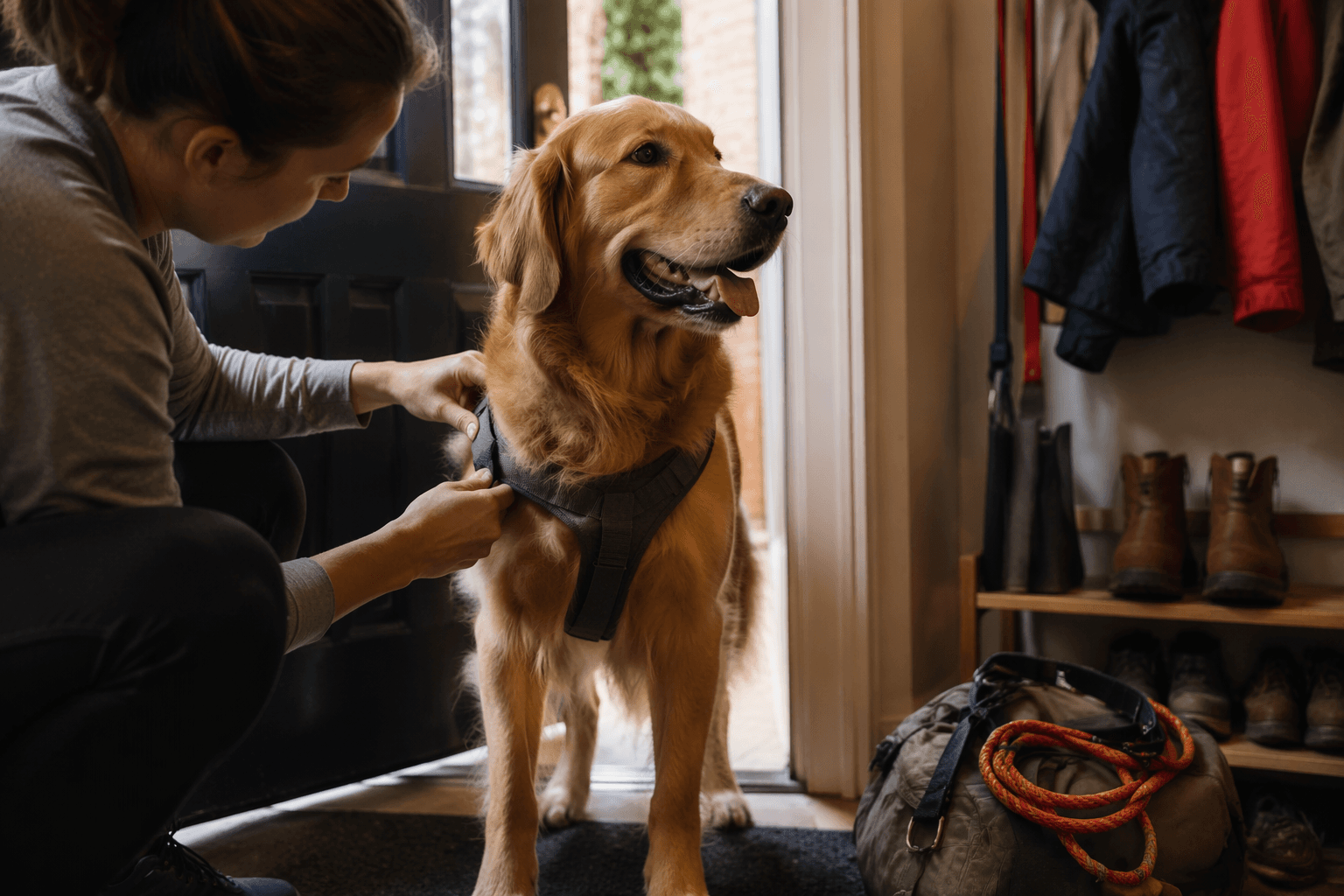
AKC advises owners on the critical first 48 hours after a dog disappears
The AKC treats a missing dog like an emergency: the first 48 hours decide the search, and a fast, calm response matters most.
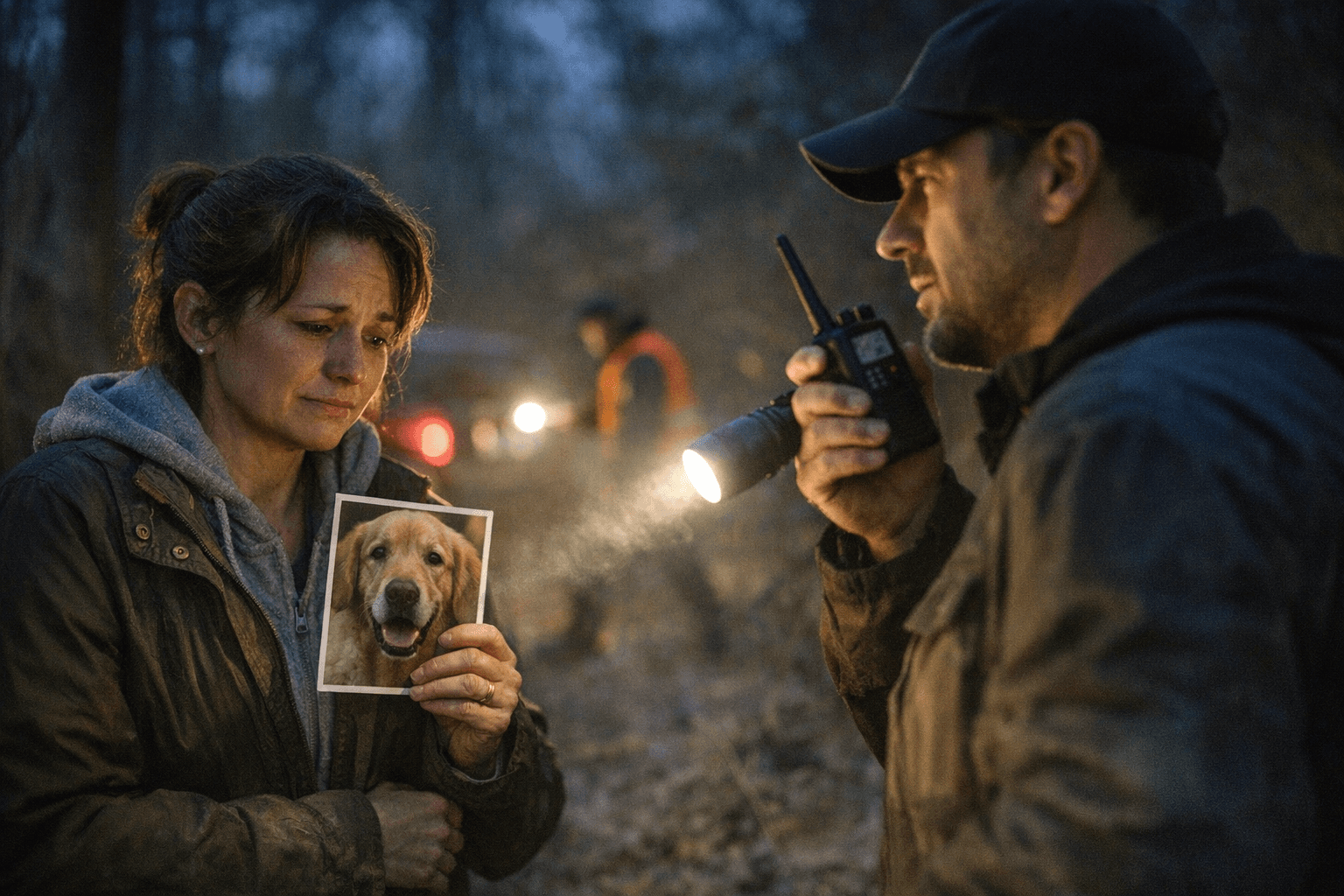
The clock starts the moment the dog is gone
When a high-drive dog slips a collar, rockets through a door, or vanishes on a walk, hesitation is the enemy. The American Kennel Club says the first 48 hours are the critical window, and that the best chance at a quick reunion comes from staying calm while moving fast. For dogs that bolt, chase, or range hard on hikes and runs, this is not a vague pet-care reminder. It is an emergency protocol built around speed, scent, and the way a familiar dog tends to move in the first hours after disappearing.
The AKC’s message is simple: do not assume the dog has gone far. Many lost dogs are recovered safely when families react quickly, search methodically, and focus on the most likely nearby routes and hiding places first. That matters even more for energetic dogs, because a big run does not always mean a big journey. A dog that slipped past a handler may double back, tuck into cover, or stick to familiar ground.
Start close, then widen the net
The newer AKC guidance recommends beginning within a two-mile radius of where the dog was last seen. That radius is the practical starting point, not the finish line, and it reflects how often a lost dog’s first movements stay tied to habit, scent, and known territory. For an owner watching a driven dog disappear, this is where urgency becomes useful: you are not wandering, you are narrowing the search to the ground that matters most.
That search should be immediate and organized. AKC advises gathering friends to help and asking neighbors to look and listen. With a fast dog, one person calling from a driveway is rarely enough. A small, coordinated group can cover corners, side yards, alleyways, trail entrances, and the spaces where a scared or curious dog is most likely to slip through unseen.
Use what the dog already knows
AKC also recommends taking the dog’s favorite treat or toy and using familiar cue words when calling out. That detail matters because a missing dog is not a blank slate. In a stressful moment, the scent of a favorite reward and the sound of a known cue can do more than a frantic voice or a new command ever will.
The point is not to turn the search into a training drill. It is to make the dog’s own habits work for you. If the dog comes when called in the park, bring that same word and that same reward into the neighborhood search. If a certain toy gets a hard chase response or a treat triggers immediate focus, use it now, because the missing-dog window is about exploiting recognition before fear, fatigue, or distraction takes over.
Why the first hours are so fragile
The Missing Animal Response Network says many lost dogs become terrified when they are missing. That fear can change behavior fast, which is why rapid, community-based response matters so much. A dog that was bold at the fence line can become wary once separated, and once that shift happens, scent and movement patterns can change quickly.
That is the hard truth behind the AKC’s urgency. The first two days are not just about distance covered, they are about how a dog’s state of mind shifts after the disappearance. A scared dog may hide, freeze, circle, or move only when the area quiets down. That is why a calm, focused search beats a frantic one every time.
Build the response around the dog, not the fear
For owners of high-energy breeds, the stakes are especially clear. Recall, containment, identification, and fast neighborhood action can be the difference between a quick recovery and a much longer search. The dogs most likely to test the boundary are often the dogs that live for motion, chase, and outdoor work, which means prevention and response have to be equally serious.
The American Veterinary Medical Association makes the bigger point bluntly: pet ownership requires time, effort, money, and attention to basics such as food, shelter, veterinary care, training, exercise, and identification. That broader responsibility is not separate from a lost-dog emergency. It is the reason the emergency is manageable at all when tags, training, and planning are in place before the dog disappears.
The support system already exists
AKC Reunite says it has been helping reunite lost pets with owners since 1995, and it offers a 24/7 lost-pet recovery service. That makes it part of the response structure, not just a back-end database. In a missing-dog situation, especially with a dog that can cover a lot of ground quickly, round-the-clock recovery support gives owners another lane to use while the neighborhood search is underway.
The AKC also says its Rescue Network includes more than 450 dog rescue groups in the United States. That network matters because lost-dog recovery is rarely solved by one person looking in one direction. Rescue groups, neighbors, and owners all bring different pieces to the same job: covering ground, spreading word fast, and helping get the dog back before the window closes.
What this means when a fast dog slips away
The AKC’s newest lost-dog guidance turns a terrifying moment into a sequence you can actually follow: stay calm, search within two miles, bring the dog’s favorite treat or toy, use familiar cue words, enlist neighbors and friends, and move immediately. That sequence fits the reality of hyperenergetic dogs, whose speed can scare owners into assuming the worst when the better move is disciplined, local, and fast.
In the first 48 hours, the dog is not just “missing.” The dog is on a clock, and so are you. The owners who recover their dogs fastest are the ones who treat that clock like it matters from the first minute, because in a lost-dog search, it does.
This article was produced by Prism’s automated news system from verified source data, official records, and press releases, then run through automated quality and moderation checks before publishing. The system is built and supervised by the people who set the standards it runs under. Read our full AI policy.
Did this article answer your question?