South Carolina breeding bill sets hearing, exempts working and sporting dogs
South Carolina’s breeder bill is headed to a hearing Tuesday, and its working-dog exemption could be the line that separates regulated kennels from field and sport homes.
South Carolina’s first statewide breeder bill is moving toward a hearing that could decide whether commercial kennels face new licensing, inspections and recordkeeping rules, while working and sporting dogs stay outside the net. The Senate Agriculture and Natural Resources subcommittee is set to take up S. 720 at 10 a.m. Tuesday in Room 207 of the Gressette Building in Columbia.
The South Carolina Humane Dog Breeding Act, sponsored by Sens. Deon Tedder and Jeff Zell, would define a professional breeder as anyone keeping at least 10 intact adult females for breeding and sale, or anyone selling more than 15 puppies or more than two litters in a calendar year. The bill also says an adult dog is six months or older, a detail that matters for counting breeding stock and judging when a kennel crosses into regulated territory.
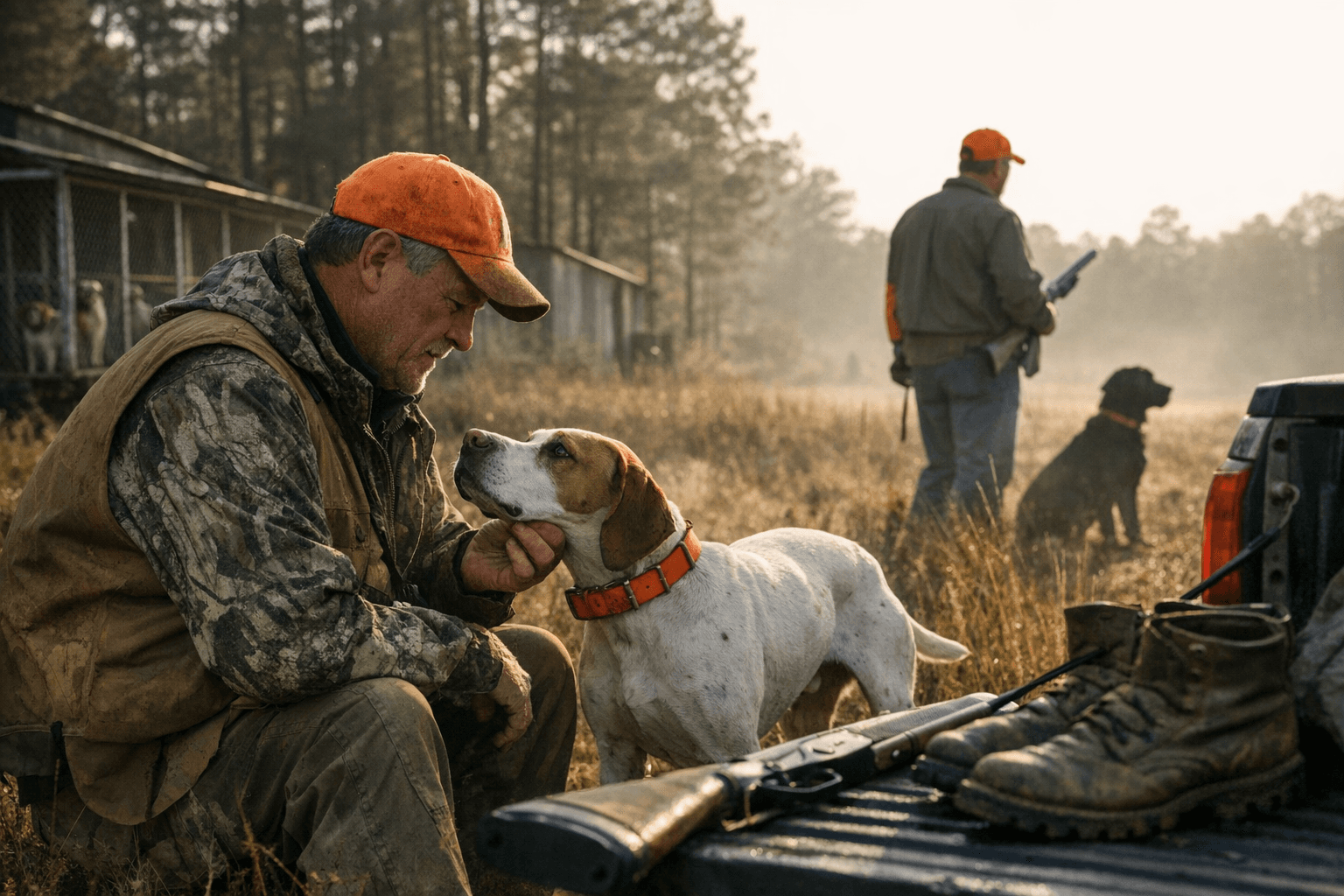
The practical bite for owners of hard-driving dogs is the exemption language. The bill specifically carves out working and sporting dogs, a nod to the breeding and training world around field dogs, hunt test dogs, performance dogs and other purpose-bred animals. Under the current wording, that could leave many sport kennels and working-dog households untouched even as commercial breeders who fit the bill’s thresholds come under state oversight.
For the breeders who would be covered, the state would require a two-year license through the South Carolina Department of Agriculture. Applicants would need a completed application, application fee, annual license fee, a criminal-history background check through SLED or a similar agency, and an inspection report. The fiscal impact statement says the first on-site inspection would be handled by the county chief law enforcement officer or a designee before the Agriculture Department issues the license.
The bill would also set inspection standards for food, water, sanitation, exercise, veterinary care and breeding practices, with inspections allowed from 7 a.m. to 7 p.m. Monday through Friday, excluding federal holidays. Records on breeding history, veterinary care and transfer information would have to be kept for at least five years, and buyers would get disclosures at the point of sale covering health history, treatment information and breeder policies.
Supporters say the measure is aimed at puppy mills and consumer deception. Testimony has described South Carolina as effectively “wide open” for commercial breeding because there is no statewide regulation now. Tedder has called the problem “puppy fraud,” saying buyers often end up with sick, unvaccinated or unvetted puppies. Janell Gregory of Humane World for Animals said breeding dogs are often pushed to produce as many litters as possible and then discarded when they can no longer reproduce.
The bill also gives the Department of Agriculture authority to refuse or renew licenses in some cases, creates a seizure mechanism for dogs kept in violation of the act, and allows misdemeanor penalties plus civil penalties that can be appealed to the Administrative Law Court. If the subcommittee advances S. 720, the real fault line will be clear: commercial breeding operations that meet the bill’s thresholds on one side, and working and sporting dog programs that may remain exempt on the other.
This article was produced by Prism’s automated news system from verified source data, official records, and press releases, then run through automated quality and moderation checks before publishing. The system is built and supervised by the people who set the standards it runs under. Read our full AI policy.
Did this article answer your question?