AKC Guide Shows How to Crate-Train Hyperactive Dogs Positively
A crate can become a true reset button for a high-energy dog, if you build it slowly. AKC’s step-by-step method turns confinement into calm, confidence, and safer travel.

Why crate training matters for dogs that run hot
A crate should not be the place where a hyperactive dog gets shut down. Used well, it becomes the one spot where a spinning mind can finally learn to stop. That is the practical promise running through Stephanie Gibeault’s AKC guide: crates can help with potty training, keep young dogs from chewing furniture, give adult dogs a quiet place to decompress, and make travel safer.
That last part matters more than it gets credit for. High-energy dogs often spend their day in motion, then get dropped into the next demand, another outing, another sport session, another car ride. A crate gives that kind of dog a predictable off-switch, which is not the same thing as punishment. It is a life skill, and AKC Reunite is blunt about the long game: a crate is a useful management tool for a dog’s whole life, not just puppyhood.
The first few days decide whether the crate becomes a refuge or a fight
The early phase is where most owners go wrong. Dogs Trust and the RSPCA both stress small steps, and that advice is the whole game here. If a dog feels pushed, trapped, or tricked, the crate turns into an argument before it ever becomes a habit.
Start with comfort before commitment. The crate should be large enough for the dog to stand, turn around, lie down, and stretch, and for puppies in the car, a smaller travel crate can offer better protection than an adult-sized one. When the dog is actually inside, remove the collar so it cannot catch on the bars. That one detail matters because a safety tool stops being safe the moment it creates a snag point.
Awareness
Awareness means the dog learns that the crate exists without feeling pressure to enter it. At this stage, the goal is simple: make the crate part of the room, not an event. Feed meals near the entrance, toss treats around the outside, and praise the dog for walking by or looking at it.
This is where the guide’s restraint really shows. You are not asking for stillness yet. You are building the first calm association, one that says the crate predicts good things instead of restraint.
Exploration
Once the dog is comfortable seeing the crate, let curiosity do the work. Encourage the dog to approach on its own, and make the area around the crate feel like a place where rewards appear for no obvious reason. Scatter toys nearby, let the dog investigate, and keep the mood light.
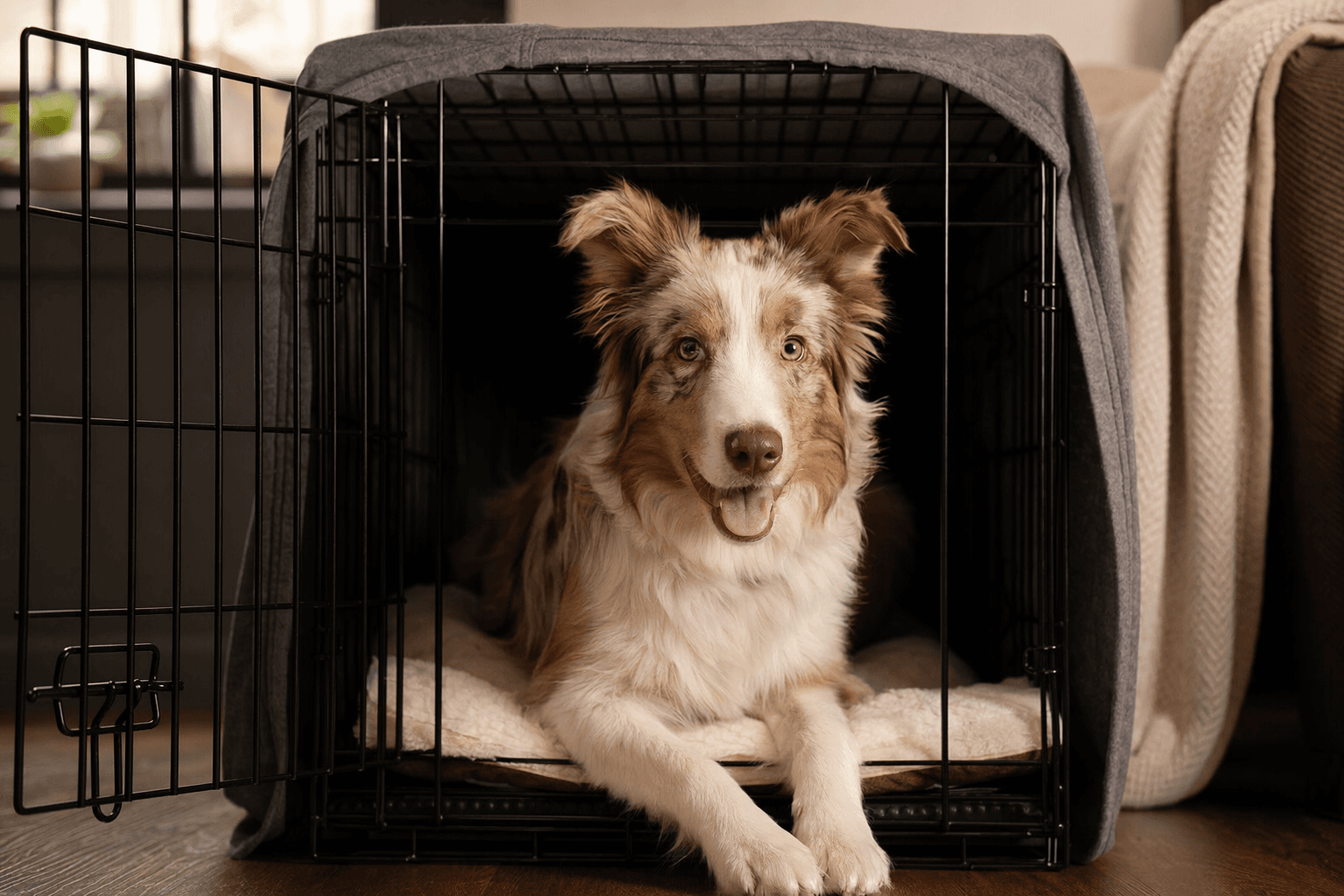
This phase is especially important for dogs that live at full volume. They often move first and think later. If the crate becomes a place they discover rather than a place they are sent, the emotional tone changes immediately.
Getting used to it
Only after the dog is entering willingly should the door start closing for very short stretches. The AKC sequence moves carefully from awareness to exploration to getting used to it, and that slow progression is what keeps resistance from building. Open the door again before the dog becomes worried, then repeat.
At this point, short, easy repetitions matter more than duration. You want the dog to finish each session thinking, that was easy, not that was a trap.
Familiarity
Familiarity is where the crate becomes boring in the best possible way. The dog learns that the crate is not a strange box with a closing door, but part of the normal rhythm of the day. That is the stage where calm starts to stick.
Games help here. The AKC guide encourages play around the crate, and that is more than cute theater. A dog that associates the crate with movement, treats, and praise is less likely to treat it like a dead end.
Training
Training is the point where the crate becomes useful in daily life. The dog is not just entering it on cue, but understanding that settling there is a normal part of the routine. For an active dog, that can mean lying down after exercise instead of ricocheting through the house, or resting between sport sessions instead of staying perpetually revved.
This is also where consistency matters most. Reward the choice to go near the crate, reward voluntary entry, and keep the sessions calm. The crate should feel like the place where quiet earns the same kind of positive attention that speed does.
Positive associations
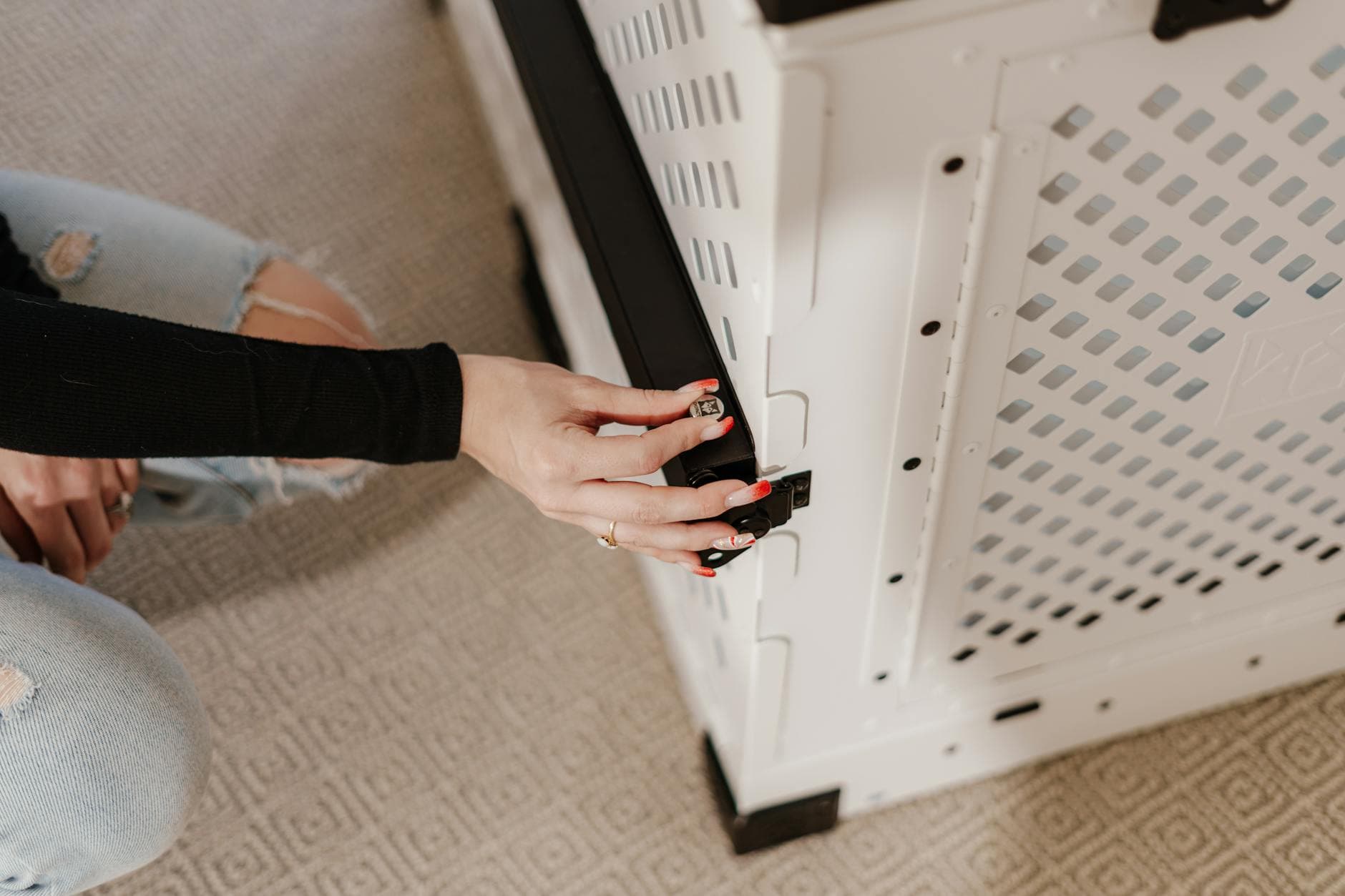
The final piece is emotional, not mechanical. The crate has to mean comfort, reward, and safety. That is why the AKC guide favors feeding near it, placing treats and toys where the dog can discover them, and praising simple approach behavior. The goal is a crate the dog chooses.
That approach lines up with the broader welfare picture. The American Veterinary Society of Animal Behavior says reward-based training should be used for all dog training and behavior modification, and that aversive methods should not be used under any circumstances. The RSPCA says the same thing in plain language: a crate should be a safe haven, not a punishment or a way to stop unwanted behavior like furniture destruction.
What creates crate resistance
The biggest mistakes are the ones that turn a training tool into a threat. Forcing a dog inside, using the crate after a scolding, or leaving a dog crated for long stretches all teach the wrong lesson. RSPCA Victoria warns that dogs should only be crated for short periods and not all day, and AKC Reunite says dogs should never be left in a crate all day.
Overuse also erodes the crate’s value as a management tool. If the dog only sees the crate when something unpleasant is happening, the training collapses. If the crate is comfortable, predictable, and introduced in small steps, it stays useful for years.
Why this matters beyond the house
For hyperenergetic dogs, the payoff is bigger than one quiet afternoon. A crate makes travel safer, gives the dog a recovery spot after intense exercise, and helps with the kind of downtime that active dogs often struggle to offer themselves. The RSPCA also notes that crates can be useful for short-term confinement, toilet training, travel, and post-surgery recovery.
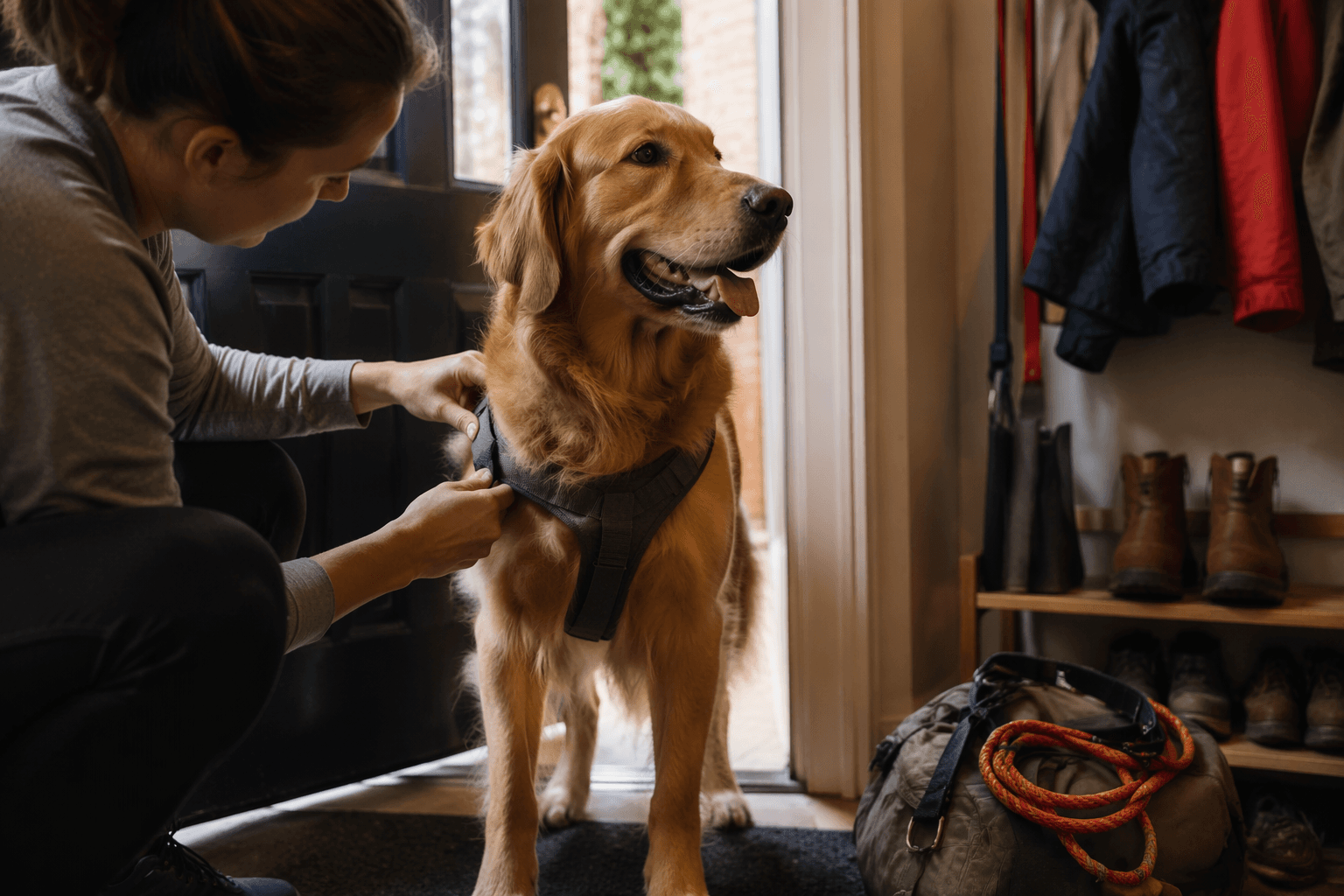
Travel is where the stakes get especially sharp. The American Veterinary Medical Association says pets should be restrained in vehicles with an appropriate safety harness, crate, or carrier, and that interstate or international travel may require preparations that start six months or more in advance. It also warns that car interiors can warm by about 20 degrees Fahrenheit in 10 minutes and more than 40 degrees in an hour, which makes proper restraint and planning far more than a comfort issue.
For dogs that live for motion, that is the real value of smart crate training: it builds an off-switch that works after a hard run, in the back seat, and on the road. Done well, the crate is not a cage. It is the place where an always-on dog learns that calm is part of the job.
This article was produced by Prism’s automated news system from verified source data, official records, and press releases, then run through automated quality and moderation checks before publishing. The system is built and supervised by the people who set the standards it runs under. Read our full AI policy.
Did this article answer your question?