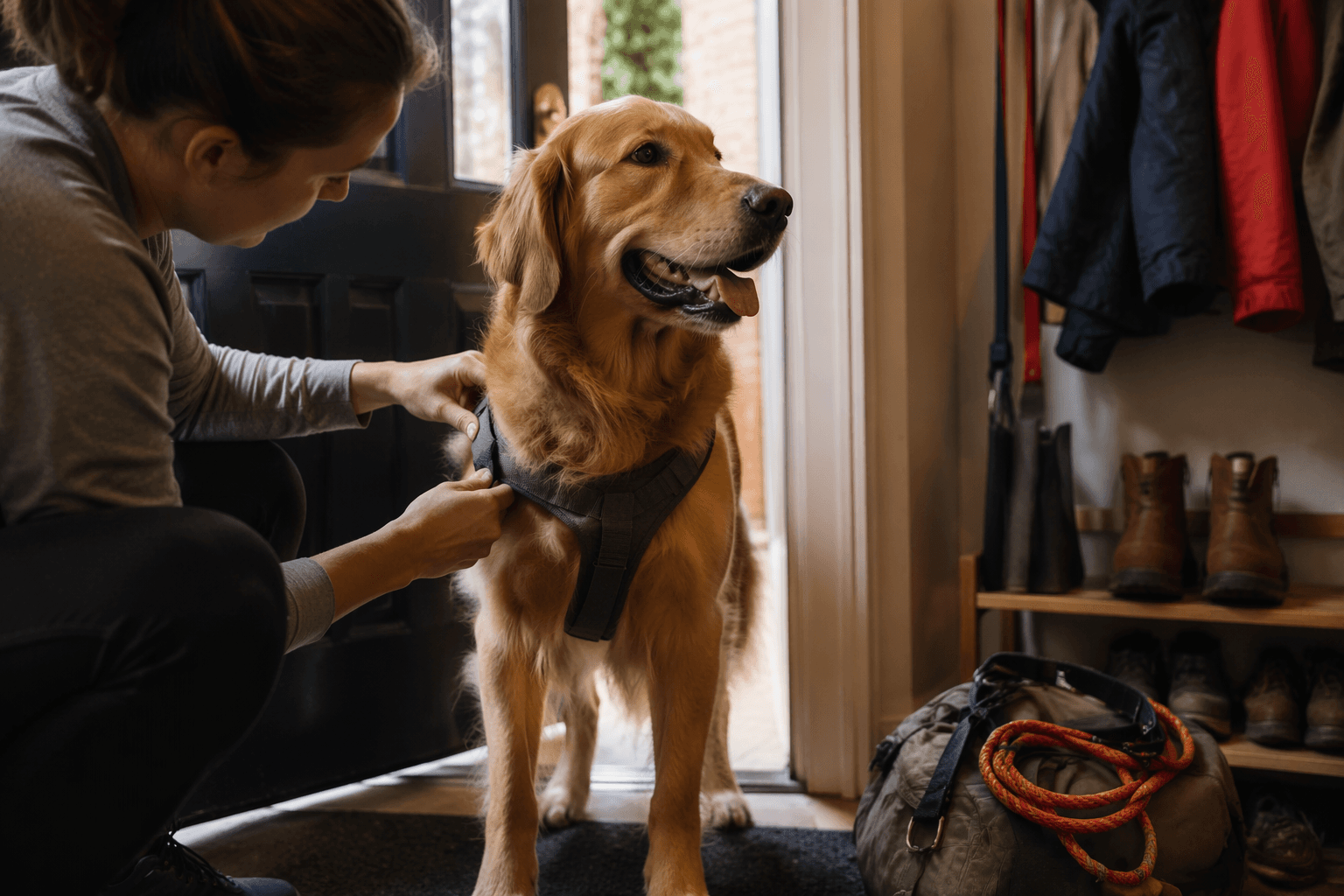
AKC trick-training game gives hyperactive dogs mental exercise and enrichment
A 10-minute toy-naming session can tire out a busy dog faster than people expect. Chaser’s 1,022-word feat shows how much mental work a toy box can hold.
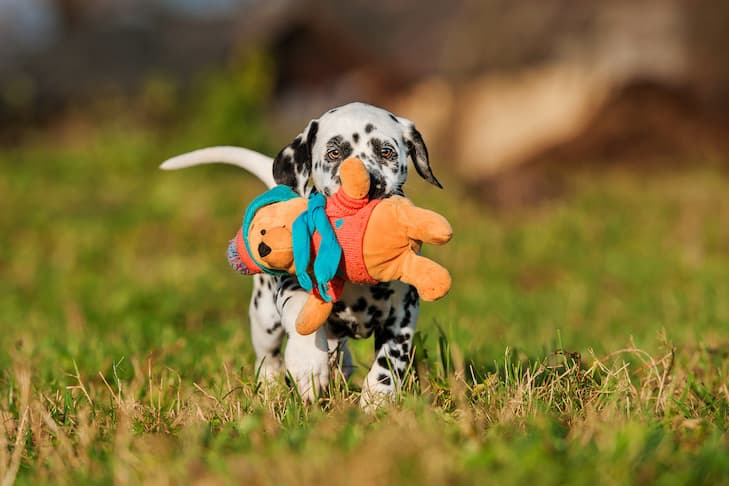
Why a toy-naming game beats another lap around the block
A pile of squeaky toys, a rainy window, and a dog that is still bouncing off the furniture: that is where this game earns its keep. AKC editors recently turned toy names into a brain workout, and for hyperactive dogs the appeal is obvious: mental stimulation can wear them down in a way another quick walk often does not.
The real headline here is not that every dog should become a canine genius. It is that a short naming game can give your dog a focused, energy-burning task that uses the same brain that gets restless when the walk ends. That matters on wet days, cramped days, and any day when physical exercise alone leaves your dog looking for the next thing to destroy.
What Chaser proved about canine brains
The best-known example is Chaser, the Border Collie trained by behavioral psychologist John W. Pilley. In a peer-reviewed study published in 2011 in *Behavioural Processes*, researchers reported that she learned and retained the proper-noun names of 1,022 objects over a 3-year period of intensive training. The same work also found that she could understand some command-name combinations and infer new word-object associations by exclusion.
That kind of performance is why toy naming is more than a cute trick. It is a reminder that dogs can build real vocabulary when the training is structured, consistent, and repeated enough for the label to stick. Chaser is the outlier, but the method behind her training is useful for ordinary dogs that need better enrichment than a sniff around the yard.
Why this game works for hyperenergetic dogs
The ASPCA says regular enrichment helps dogs engage in innate behaviors like playing, chasing, smelling, chewing and scavenging, and that enrichment helps dogs be physically, emotionally and mentally satisfied. That is the part a lot of high-drive owners miss. A dog can be walked, fetched, and still be underworked if the brain never gets a real assignment.
The American Veterinary Society of Animal Behavior takes the same general view, describing enrichment as part of improving animal and human lives through an understanding of behavior. In practical terms, that means a dog with a job to do is often calmer to live with. A naming game gives your dog a job with a clear beginning, a clear rule, and a reward for getting it right.
AKC has also pointed out that brain games and interactive dog toys can be some of the most engaging, and bonus points, energy-burning, games you can play with your dog. That is exactly why this one belongs in the toolkit for dogs who seem to have an endless fuel tank.
How to set it up so the dog actually learns
Start small and stay consistent. Pick one toy, give it one name, and use that exact label every single time. If you call it “tug” one day and “rope” the next, you are not teaching discrimination, you are teaching confusion.
A good first toy is one your dog already loves. Familiar value speeds up the learning because the reward is already built in: your dog wants that object, so the name becomes worth chasing. Hold the toy out, say the name, and ask for a retrieve by that name. The second your dog succeeds, reward immediately.
A simple progression that works
1. Choose one favorite toy and name it.
2. Repeat the name every time you present it.
3. Ask your dog to fetch that toy by name.
4. Reward right away when the correct toy is brought back.
5. Practice until the response is reliable.
6. Add a second toy only after the first name is clearly understood.
That last part matters. The point is not to fill the room with ten toys and hope your dog guesses. The point is to build a clean word-object link, then test it.
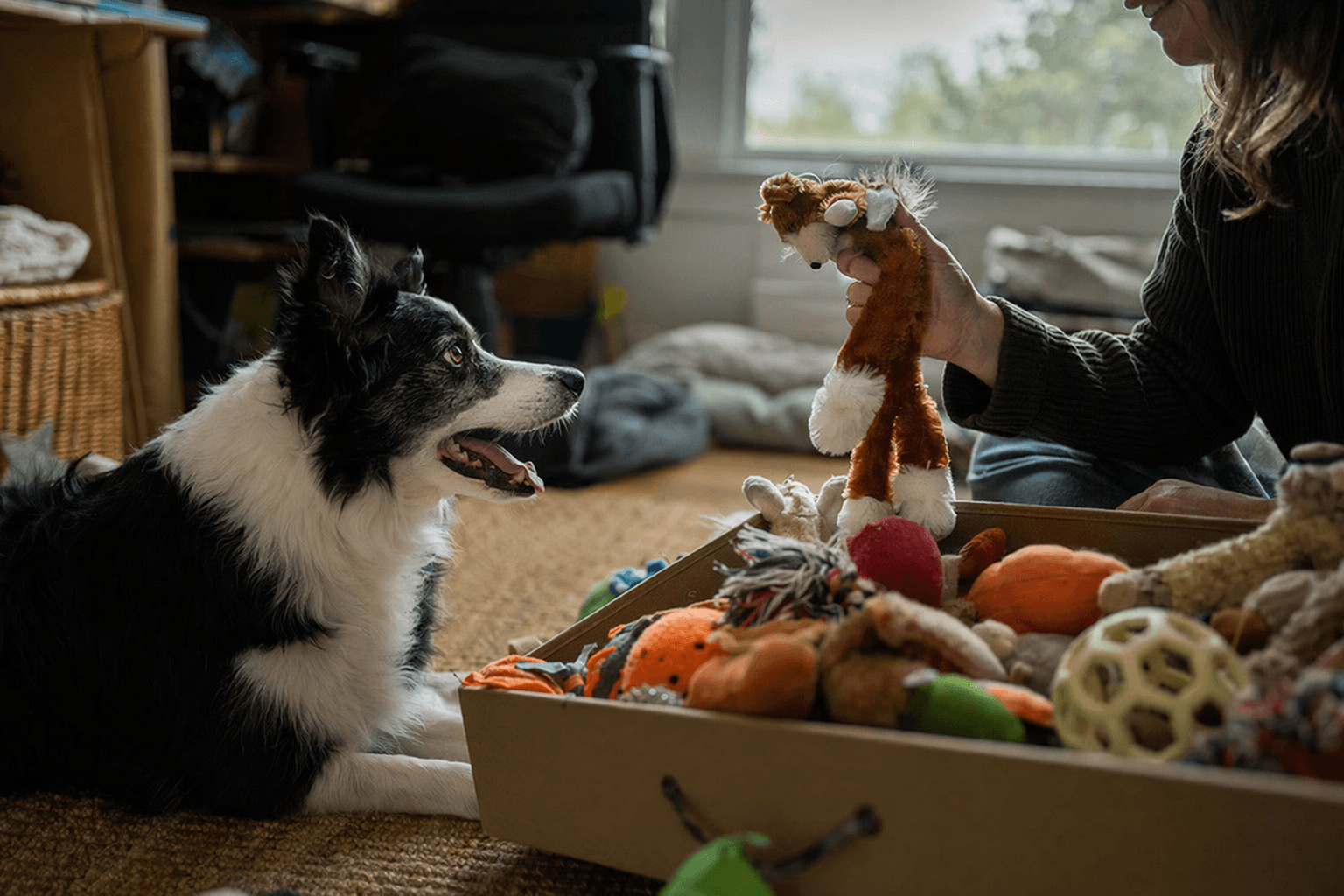
How to make the game harder without making it messy
Once your dog knows one name, make the choice more specific. Place the named toy next to something ordinary, like a book or a water bottle, and ask for the toy by name. That tiny change forces real discrimination. If your dog runs to the nearest object every time, the game is too easy and the brain work is not really happening yet.
This is where you start seeing whether your dog is understanding the name or just reading your body language. A dog that truly knows the word should work even when the target toy is not the most obvious thing in the room. That is the difference between a guess and a learned association.
Signs your dog is actually discriminating by name
You know the lesson is landing when your dog does more than barrel toward the nearest toy pile. Look for these signs:
- Your dog picks the correct toy even when several are visible.
- Your dog responds faster after repeated practice with the same name.
- Your dog can separate the named toy from an ordinary object nearby.
- Your dog keeps improving when you add a second or third toy name.
- Your dog seems to search, not just rush.
A dog that is guessing will look busy but inconsistent. A dog that is learning will get cleaner and more deliberate, even if the pace is not perfect at first.
The mistakes that wreck the lesson
The biggest mistake is inconsistency. If you rename toys on the fly or use nicknames, you blur the association and slow the whole process down. The second mistake is expecting too much too soon. Chaser had three years of intensive training behind those 1,022 object names, so there is no reason to expect a weekend project to produce the same result.
Another common error is rewarding the wrong response by accident. If your dog grabs the closest toy and still gets praise, the lesson becomes “grab something fast,” not “find the named object.” Keep the reward tightly tied to the correct choice.
Why it is worth doing on a rainy day
This is one of those rare dog games that costs almost nothing and gives you a real payoff. Ten minutes of naming work can channel a hyperactive dog into a focused task, build the bond between you, and leave the dog with the kind of fatigue that comes from using the brain hard. For dogs that get bored easily, that is not a novelty trick. It is a practical enrichment tool.
And if the toy box keeps growing, keep a list or spreadsheet of names. That sounds fussy until you are standing in the living room trying to remember whether the red octopus was “squid,” “squish,” or something else entirely. Organization keeps the game sharp, and sharp is the whole point.
A dog that learns toy names is not just being clever. It is getting the kind of mental exercise that turns restless energy into a real task, and that can make the whole house easier to live in the next time the weather says stay inside.
This article was produced by Prism’s automated news system from verified source data, official records, and press releases, then run through automated quality and moderation checks before publishing. The system is built and supervised by the people who set the standards it runs under. Read our full AI policy.
Did this article answer your question?