AKC says veterinary clearance should come first in dog fitness plans
Veterinary clearance comes first, then the week gets built around steady, age-appropriate work. AKC FIT DOG turns restless energy into a real plan instead of a weekend blowout.
Get cleared before you get ambitious
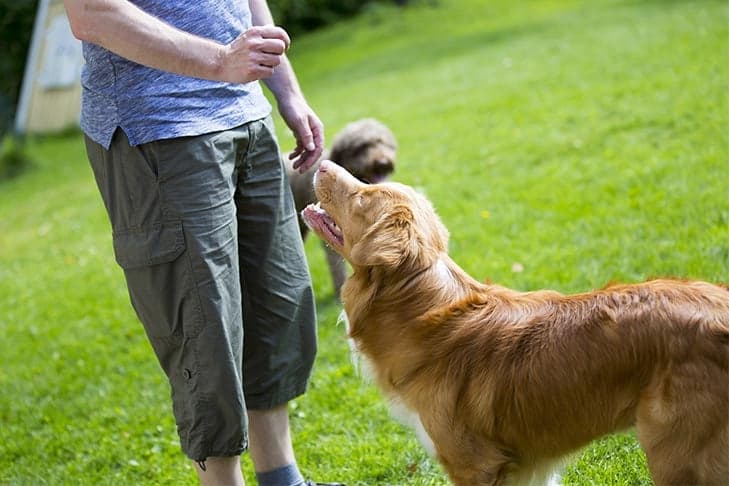
The smartest dog fitness plan starts with a pause, not a leash clip. AKC says a fitness plan can help keep a dog active, injury-free, and healthy, but the first step is talking with a veterinarian so the work fits the dog’s age, health status, and physical condition. That matters most for puppies, seniors, and dogs with joint or mobility issues, because the wrong activity at the wrong intensity can create the injuries you were trying to avoid in the first place.
AVMA reinforces that logic from the medical side: regular veterinary examinations can catch problems in older pets before they become serious or life-threatening. In a hyperenergetic-dog household, that checkup is not a formality. It is the starting line.
Build a week, not a burnout session
The most common mistake is the weekend overexertion trap. Owners let the dog go from mostly idle to a long Saturday hike, then spend the rest of the week trying to recover from the fallout. AKC’s approach pushes the other direction: start gradually, warm up before the harder work, and keep the routine consistent enough that the dog’s body can adapt.
That consistency matters because a fitness plan should be built around the dog in front of you, not a generic mileage goal. Age, breed type, and drive level all change the template. A high-drive working dog usually needs more structured outlets than a lower-drive companion, while a senior or a dog with mobility concerns may do better with shorter, more frequent sessions that keep the body moving without asking it to overreach. The point is not to drain every last drop of energy in one outing. It is to make movement normal enough that the dog stops storing up chaos for the weekend.
AKC FIT DOG gives that idea a concrete anchor by adopting the American Heart Association’s minimum of 150 minutes of walking per week. For many dogs, that is easier to manage as regular sessions than as one giant effort, and AKC also points owners toward shorter bouts when that better fits the dog’s condition.
Turn walking into conditioning, not just motion
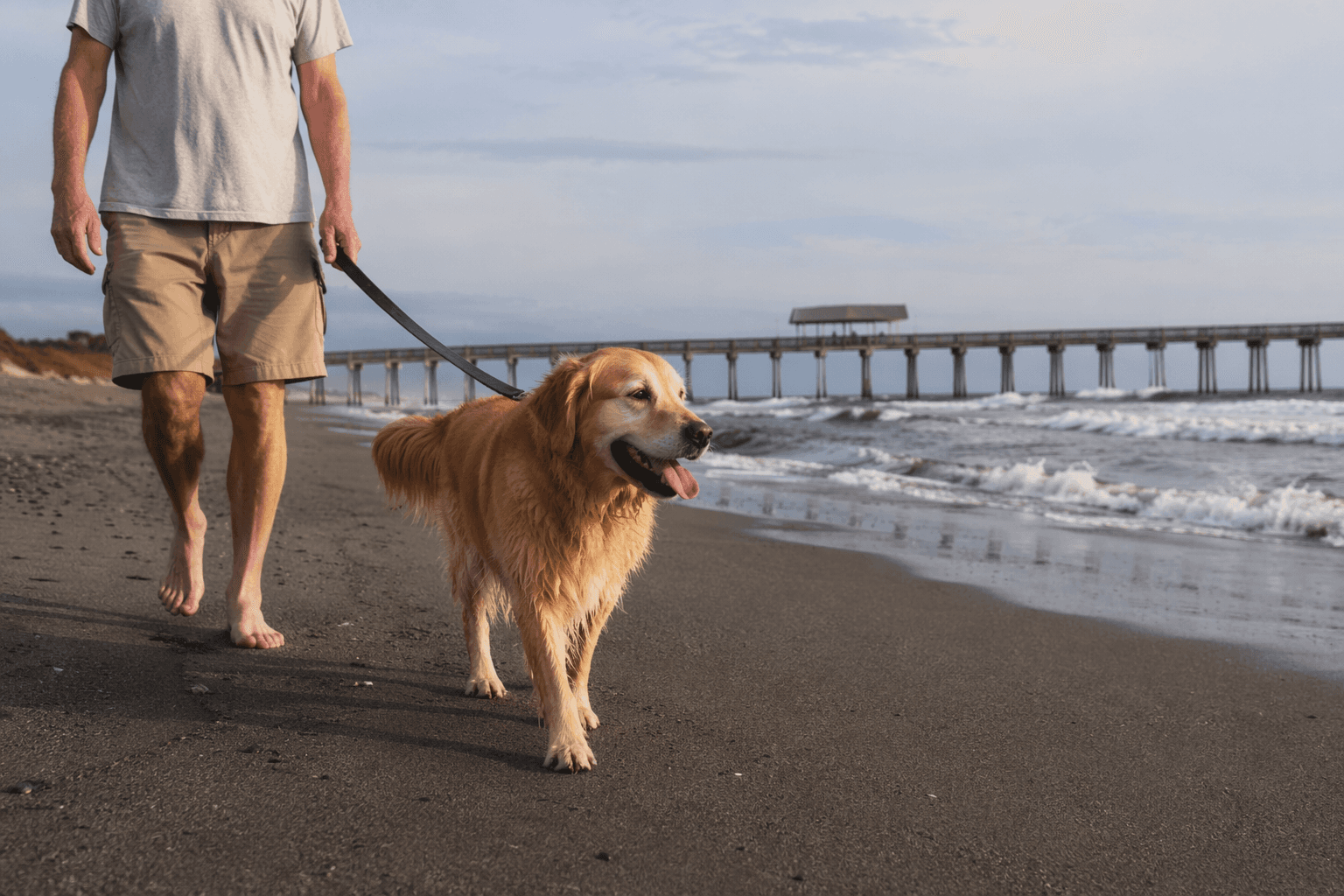
Walking earns its reputation in these plans because it does more than wear a dog out. AVMA says walking provides mental stimulation as well as physical activity, since dogs get to smell, see, and hear beyond the yard. It also helps preserve muscle tone and joint movement, and it can help overweight or obese pets shed extra pounds.
That is why a weekly plan should treat walking as a foundation rather than the whole building. For some dogs, the walk is the steady core that keeps joints loose and the brain engaged. For others, especially the more athletic crowd, the walk becomes the base layer under hiking, swimming, group outings, or other work that keeps a dog challenged without turning every day into a performance.
AKC FIT DOG reflects that broader view. The program is not about racing other dogs or chasing the longest route. It is about creating a structured, individualized fitness plan that a dog and handler can sustain together.
How AKC FIT DOG gives the plan structure
AKC FIT DOG began in 2018 and now uses three title levels, Bronze, Silver, and Gold, to turn activity into something measurable without making it competitive. Bronze requires 5 points, Silver 10, and Gold 20, and dogs must be at least 6 months old to earn the Bronze title. The structure is simple enough to remember, but flexible enough to fit different dogs and different households.
That flexibility is what makes the program useful beyond title chasing. AKC FIT DOG is designed to give owners a clear framework for regular movement, and the title system doubles as a built-in check on whether the plan is actually being followed. The American Heart Association’s 150-minute weekly walking target sits right inside that structure, which makes the math feel less arbitrary and more like part of a real routine.
The social side matters too. AKC notes that clubs and group walks can make exercise more sustainable, which is often the missing ingredient when a dog is energetic but the human side of the partnership keeps drifting back to inconsistency. A group walk, a club event, or a scheduled title activity can be the difference between a plan that sounds good and one that actually survives the month.
Know the difference between under-exercised and overworked
A dog that is under-exercised usually leaves a trail long before it leaves the house. The energy has to go somewhere, and it often shows up as restlessness, chewing, pacing, nonstop pestering, rough zoomies, or a dog that never really settles after the day is supposed to be over. The body is asking for a job.
A dog that is overworked tells a different story. Look for lagging behind, heavy panting that does not ease up normally, stiffness after activity, reluctance to start the next session, or a dog that looks eager at the door and miserable halfway through. Limping or clear soreness is a warning sign, not a training milestone.
The sweet spot is a dog that finishes work calm, satisfied, and physically sound. If the dog is still frantic, the plan is too light. If the dog is flattening out or hurting, the plan is too hard.
Mobility is the real goal
AAHA frames mobility as a quality-of-life issue, and that is the heart of the matter here. The association estimates that about one in five dogs experiences joint issues in its lifetime, and it notes that older pets are more commonly diagnosed with osteoarthritis. That is why veterinary teams should coach clients on exercise that supports mobility without causing undue joint stress or additional injury.
Seen that way, fitness is not a vanity project or a way to produce a more exhausted dog by Friday night. It is a protective routine that helps preserve movement, keeps muscles working, and reduces the odds that a high-energy dog turns into a high-pain dog later on. AKC’s message is practical and, for owners living with canine chaos, almost comforting: get the clearance, build the week, and let consistency do the job that weekend heroics never can.
This article was produced by Prism’s automated news system from verified source data, official records, and press releases, then run through automated quality and moderation checks before publishing. The system is built and supervised by the people who set the standards it runs under. Read our full AI policy.
Know something we missed? Have a correction or additional information?
Submit a Tip