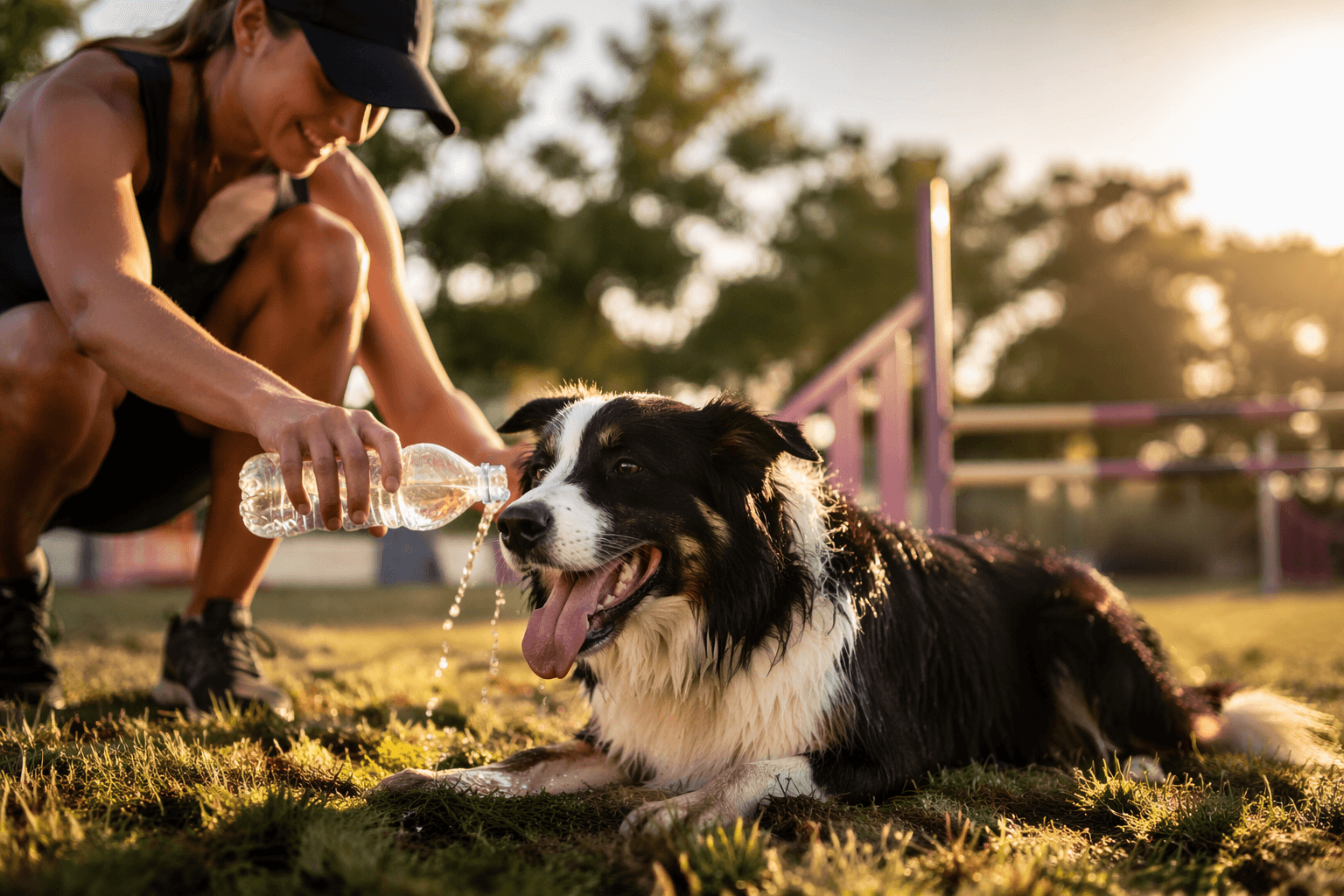
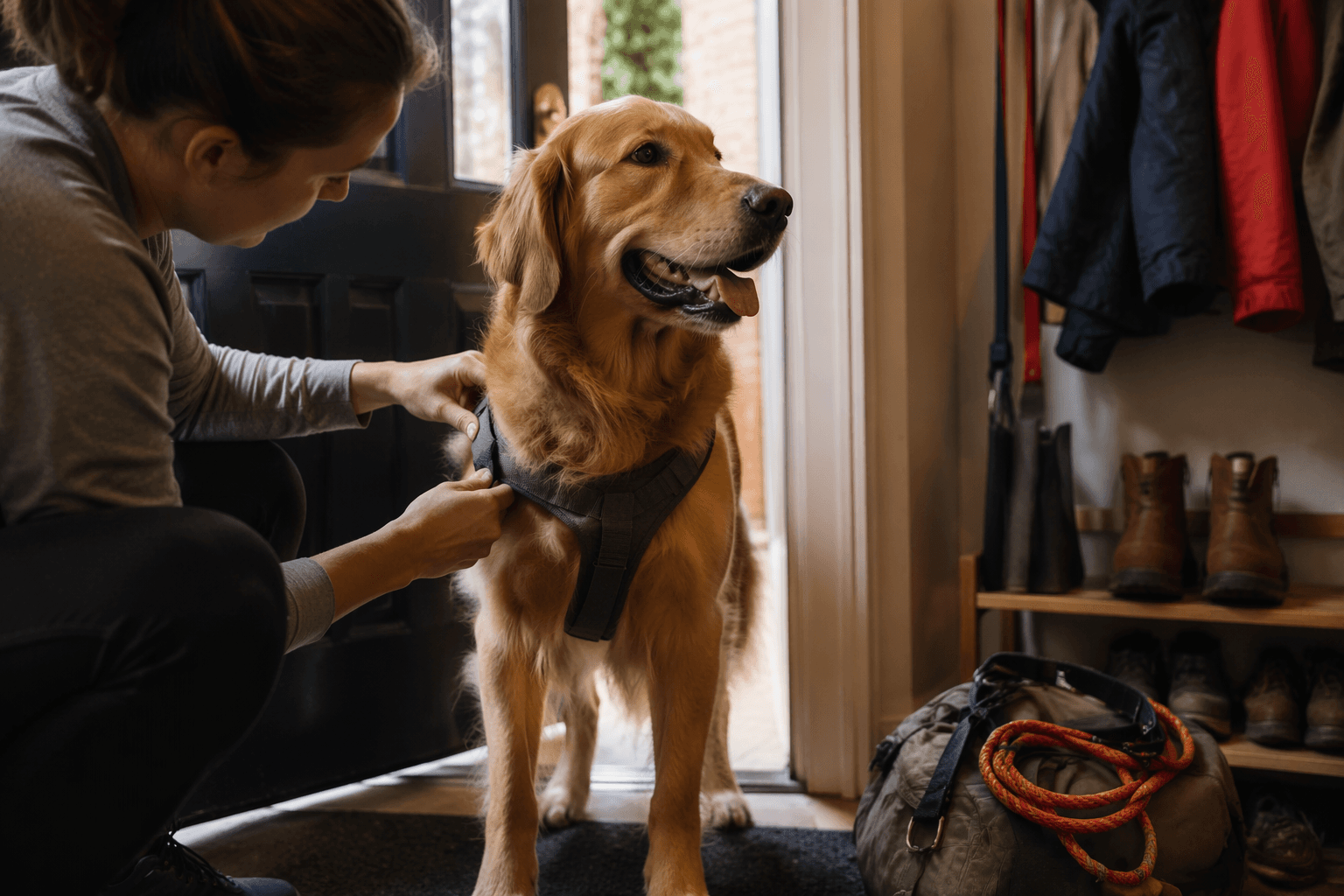
Australian Shepherd Boomer tries to herd a cat on New York farm
Boomer, an Australian Shepherd on a New York farm, tried to turn a barn cat’s retreat into a job he could finish.
Boomer had a clear idea of how a morning walk on a New York family farm was supposed to go: keep the movement organized, keep the target in sight, and keep the cat from wandering off. When the barn cat named LilAzzKikr decided he was done and turned back, the Australian Shepherd did not treat that as a finished interaction. He treated it as a herding problem.
That is the kind of moment that makes hyperenergetic-dog people grin, because it looks like mischief but reads like instinct. The American Kennel Club describes the Australian Shepherd as an intelligent working dog with strong herding and guarding instincts, and says the breed’s impulse can extend to birds, dogs, kids, and other moving targets. Aussies were developed in western U.S. states including California, Colorado, Wyoming, and Idaho, and the kennel club calls the breed a quintessentially American one despite the Australian name. These dogs were bred to herd livestock and work as all-purpose farm and ranch dogs, so a cat peeling away from the group can register to an Aussie as unfinished business.
The difference between bad behavior and unmanaged breed instinct matters here. Boomer was not being stubborn in the ordinary sense; he was doing what a high-drive herding dog is wired to do, which is to control movement. That same wiring can show up as stalking, circling, chasing, staring, nipping, pushing, or barking when a dog thinks something needs corralling. At home, that can be charming for about five seconds and chaotic after that, especially in multi-pet households where one animal wants to keep playing and another wants out.
That is why the practical response is redirection, not just correction. The American Kennel Club says herding breeds have even been known to gently herd their owners, especially children, and it recommends basic cues that give the dog a different job. “Leave it” is “a potentially lifesaving command that all dogs should learn,” and commands such as watch me and leave it can interrupt the stalk-circling-chase loop before it gets locked in. Veterinary behavior resources also emphasize that many normal but undesirable pet behaviors respond better to reward-based training and management adjustments than to punishment.
Boomer’s barn-cat episode lands as a funny little farm scene, but it also shows the whole herding-dog equation in one frame. Give an Australian Shepherd no sheep, no task, and no outlet, and the nearest moving creature becomes the assignment. On a New York farm, that happened to be LilAzzKikr, who clearly had no interest in being managed.
This article was produced by Prism’s automated news system from verified source data, official records, and press releases, then run through automated quality and moderation checks before publishing. The system is built and supervised by the people who set the standards it runs under. Read our full AI policy.
Did this article answer your question?